Guides
Real reel-buying content — gear ratio math, drag system types, spinning vs baitcasting tradeoffs, and saltwater corrosion ratings.
Troubleshooting
Why your reel won't cast, won't reel, or the drag slips — it's the line, the washers, and the salt, not a broken reel
A reel does exactly three jobs — cast, retrieve, hold under load — so the symptom tells you which cheap part failed. Loops, backward handle, jerky drag: the free checks, the one storage habit that kills drags, and why the gears die last.
Buying guide
How to choose a fishing reel: spinning vs baitcasting, gear ratio, and drag
Spinning vs baitcasting mechanics, what gear ratio actually means for line retrieve, drag system types, ball bearings, and what saltwater sealing requires.
Why this page exists
Reel marketing leans hard on "smooth" and "powerful" without telling you what smooth means or how much power you actually need. The gear ratio number is the most underexplained spec on any reel box — it directly determines whether a fast-moving lure comes back too fast or too slow for a specific technique.
This page explains the mechanical reality behind the specs so you can buy a reel that matches the technique, not just the price point.
Plain note about money. Links below go to eBay searches with an affiliate tag. If you buy through one, a small commission comes to this site. Your price is identical either way. The searches are ones we'd actually run — not sponsored placements.
Fishing reels worth searching on eBay
Spinning and baitcasting reels matched to technique and environment. We earn a small commission on qualifying sales; your price is unchanged. Full disclosure.
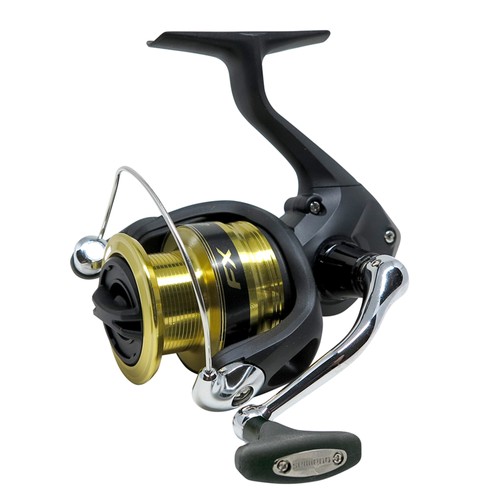 Spinning reel
Open-face fixed spool. Easiest reel type to learn, handles light lines well. Paired with a spinning rod. Look for size number (1000–6000 range) to match line capacity to target species.
Spinning reel
Open-face fixed spool. Easiest reel type to learn, handles light lines well. Paired with a spinning rod. Look for size number (1000–6000 range) to match line capacity to target species.
 Baitcasting reel
Revolving spool, sits on top of casting rod. More precise for heavy lures once mastered. Check gear ratio, max drag (in lbs or kg), and brake system type before buying.
Baitcasting reel
Revolving spool, sits on top of casting rod. More precise for heavy lures once mastered. Check gear ratio, max drag (in lbs or kg), and brake system type before buying.
 Saltwater spinning reel
Sealed bearings and IPX-rated drag washers. Corrosion-resistant body. Saltwater fishing demands sealed, rinseable construction — not just "water resistant."
Saltwater spinning reel
Sealed bearings and IPX-rated drag washers. Corrosion-resistant body. Saltwater fishing demands sealed, rinseable construction — not just "water resistant."
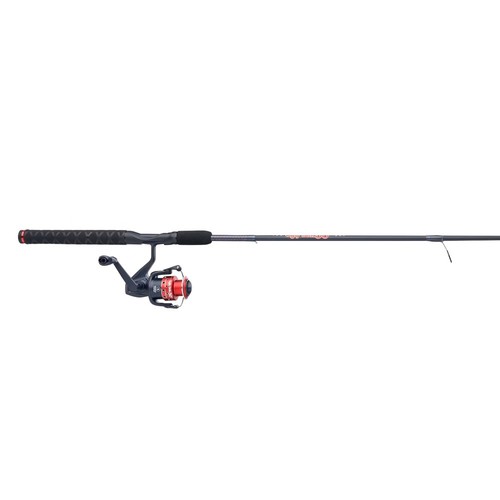 Fishing reel combo
Pre-matched rod and reel from the manufacturer. Good for beginners who want balanced gear. Verify that the combo is matched in power and line rating, not just bundled for price.
Fishing reel combo
Pre-matched rod and reel from the manufacturer. Good for beginners who want balanced gear. Verify that the combo is matched in power and line rating, not just bundled for price.
 Ultralight spinning reel
Size 1000–2000. Designed for 2–8 lb mono or 4–10 lb braid. Pairs with UL or light rods for trout, panfish, and finesse bass. Lighter weight reduces hand fatigue on long days.
Ultralight spinning reel
Size 1000–2000. Designed for 2–8 lb mono or 4–10 lb braid. Pairs with UL or light rods for trout, panfish, and finesse bass. Lighter weight reduces hand fatigue on long days.