Guides
Practical tackle storage content — tray boxes vs backpacks vs bags, waterproof seals, worm-proof liner materials, and organizing by technique.
Why this page exists
Tackle storage content is mostly brand-driven roundups. What it rarely explains is why soft plastics destroy hard baits when stored together — and why "waterproof" on the box means something very different from a tackle box to a dry bag.
This page addresses the material science of tackle storage (worm-proof liners, water resistance ratings), the organizational logic of tray versus bag systems, and how to match storage format to your fishing style.
Plain note about money. Links below go to eBay searches with an affiliate tag. If you buy through one, a small commission comes to this site. Your price is identical either way. The searches are ones we'd actually run — not sponsored placements.
Tackle storage worth searching on eBay
Hard boxes, backpacks, and tray systems for every fishing style. We earn a small commission on qualifying sales; your price is unchanged. Full disclosure.
 Tackle box
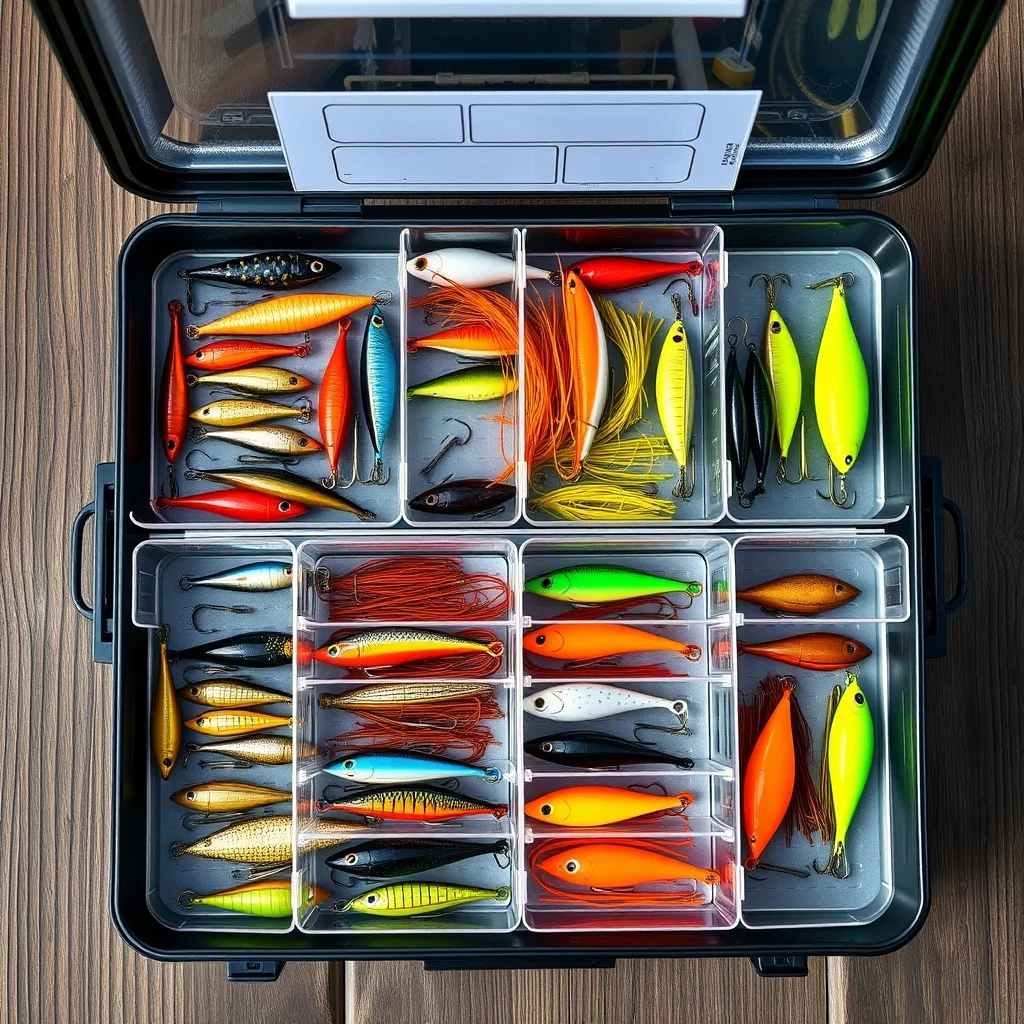
Hard-shell multi-tray box. Best for hard baits (crankbaits, jerkbaits, topwater) organized by type. Compartment dividers should be adjustable. Check tray material for worm-proof rating.
Tackle box
Hard-shell multi-tray box. Best for hard baits (crankbaits, jerkbaits, topwater) organized by type. Compartment dividers should be adjustable. Check tray material for worm-proof rating.
 Tackle backpack
Holds 3–6 utility trays in dedicated pockets plus pliers, tools, and rain gear. The mobile angler's choice — wade fishing, kayak fishing, beach surf. Look for reinforced shoulder straps and rod holders.
Tackle backpack
Holds 3–6 utility trays in dedicated pockets plus pliers, tools, and rain gear. The mobile angler's choice — wade fishing, kayak fishing, beach surf. Look for reinforced shoulder straps and rod holders.
 Fishing tackle storage system
Modular tray-in-bag or tray-in-box systems. Mix and match tray sizes for soft plastics and hard baits. Allows taking only what you need for a given trip.
Utility tray boxes
Flat single-tray containers. The modular building block of most tackle systems. Plano 3600/3700 trays are the industry standard size — compatible with most bags and boxes. Check divider adjustment range.
Fishing tackle storage system
Modular tray-in-bag or tray-in-box systems. Mix and match tray sizes for soft plastics and hard baits. Allows taking only what you need for a given trip.
Utility tray boxes
Flat single-tray containers. The modular building block of most tackle systems. Plano 3600/3700 trays are the industry standard size — compatible with most bags and boxes. Check divider adjustment range.
 Waterproof tackle box
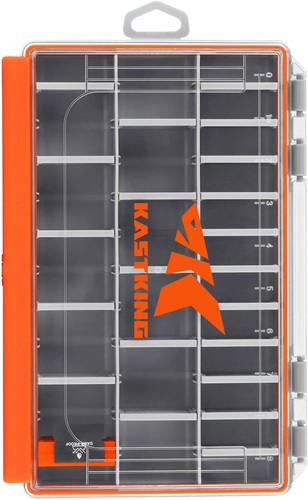
O-ring or gasket-sealed box that keeps water out if submerged or rained on. Look for IPX or MIL-SPEC ratings vs just "water resistant." Best for kayak fishing and wading where submersion risk is real.
Waterproof tackle box
O-ring or gasket-sealed box that keeps water out if submerged or rained on. Look for IPX or MIL-SPEC ratings vs just "water resistant." Best for kayak fishing and wading where submersion risk is real.