Guides
Practical fish finder content — sonar technology explained, GPS mapping features, screen size tradeoffs, and transducer installation options.
Why this page exists
Fish finder marketing stacks feature lists — CHIRP, DI, SI, GPS, networking — without telling you which features matter for your specific fishing scenario. A bass angler on a small lake needs a completely different setup from a walleye angler on a large reservoir, and neither needs what an offshore troller needs.
This page cuts through the feature stack to explain what each technology actually does, so you can decide which combination justifies the price in your specific context.
Fish finders worth searching on eBay
Units matched to platform, water type, and sonar capability. We earn a small commission on qualifying sales; your price is unchanged. Full disclosure.
 Fish finder with GPS
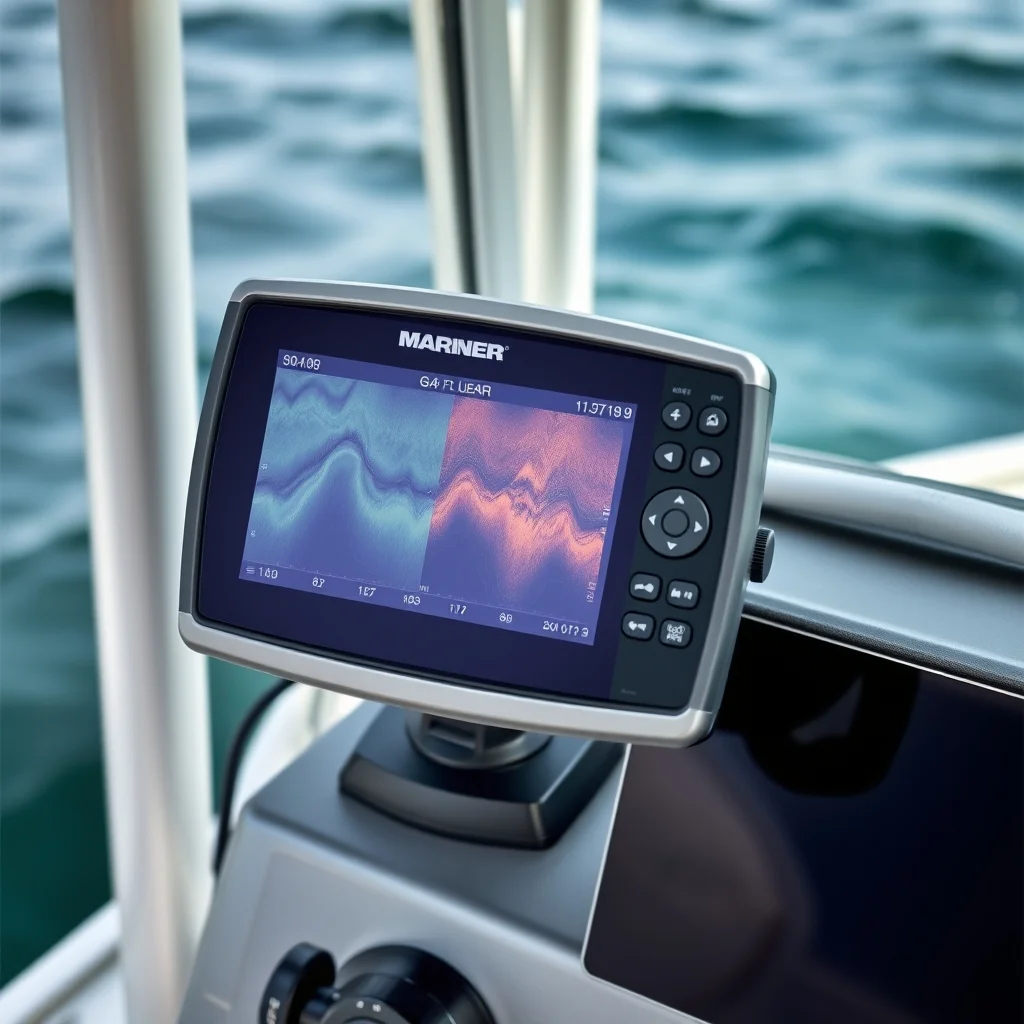
Combined sonar and chart plotter. GPS lets you mark waypoints, track your path, and return to productive structure. Look for built-in mapping plus SD card slot for premium chart upgrades.
Fish finder with GPS
Combined sonar and chart plotter. GPS lets you mark waypoints, track your path, and return to productive structure. Look for built-in mapping plus SD card slot for premium chart upgrades.
 Portable fish finder
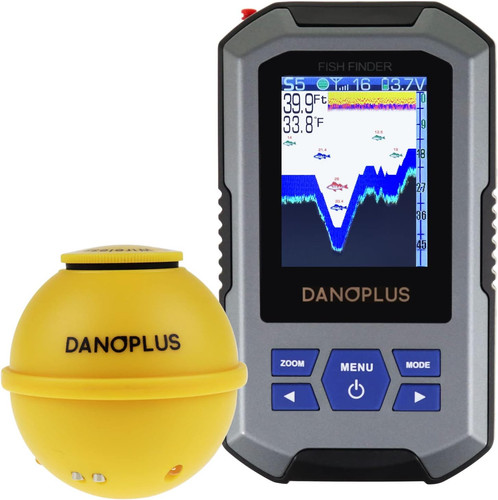
Battery-powered, suction-cup or clamp transducer mount. For boats without dedicated mounting, car-top canoes, and aluminum boats. Less powerful sonar than flush-mounted units.
Portable fish finder
Battery-powered, suction-cup or clamp transducer mount. For boats without dedicated mounting, car-top canoes, and aluminum boats. Less powerful sonar than flush-mounted units.
 Castable fish finder
Float-mounted sonar that you cast like a lure — connects via Bluetooth to your phone. Excellent for shore fishing and dock fishing. Limited depth capability vs boat-mounted units.
Castable fish finder
Float-mounted sonar that you cast like a lure — connects via Bluetooth to your phone. Excellent for shore fishing and dock fishing. Limited depth capability vs boat-mounted units.
 Fish finder transducer
Replacement or upgrade transducer. Verify connector compatibility with your head unit before buying. Transducer upgrade is often the highest-impact improvement to an existing setup.
Fish finder transducer
Replacement or upgrade transducer. Verify connector compatibility with your head unit before buying. Transducer upgrade is often the highest-impact improvement to an existing setup.
 Kayak fish finder
Compact, battery-powered units (5–7" screens) built for kayak tracks or RAM mounts. Look for low power draw (under 400mA at 12V) and a transducer rated for kayak through-hull or scupper mounting.
Kayak fish finder
Compact, battery-powered units (5–7" screens) built for kayak tracks or RAM mounts. Look for low power draw (under 400mA at 12V) and a transducer rated for kayak through-hull or scupper mounting.