Guides
Practical sewing machine content — frame quality, mechanical vs computerized trade-offs, and what specs actually predict longevity.
Why this page exists
Sewing machine marketing leads with stitch count — 800 stitches, 1,000 stitches — as if that's the primary buying criterion. For most sewists, it isn't. The decision that actually determines whether a machine lasts five years or twenty is frame construction: metal internal frames handle the mechanical stress of sewing; plastic frames flex and wear.
This page explains the specs that actually matter: mechanical vs computerized drive, internal frame material, feed dog configuration, and motor power for the fabrics you work with.
Sewing machines worth searching on eBay
Mechanical and computerized machines across experience levels. We earn a small commission on qualifying sales; your price is unchanged. Full disclosure.
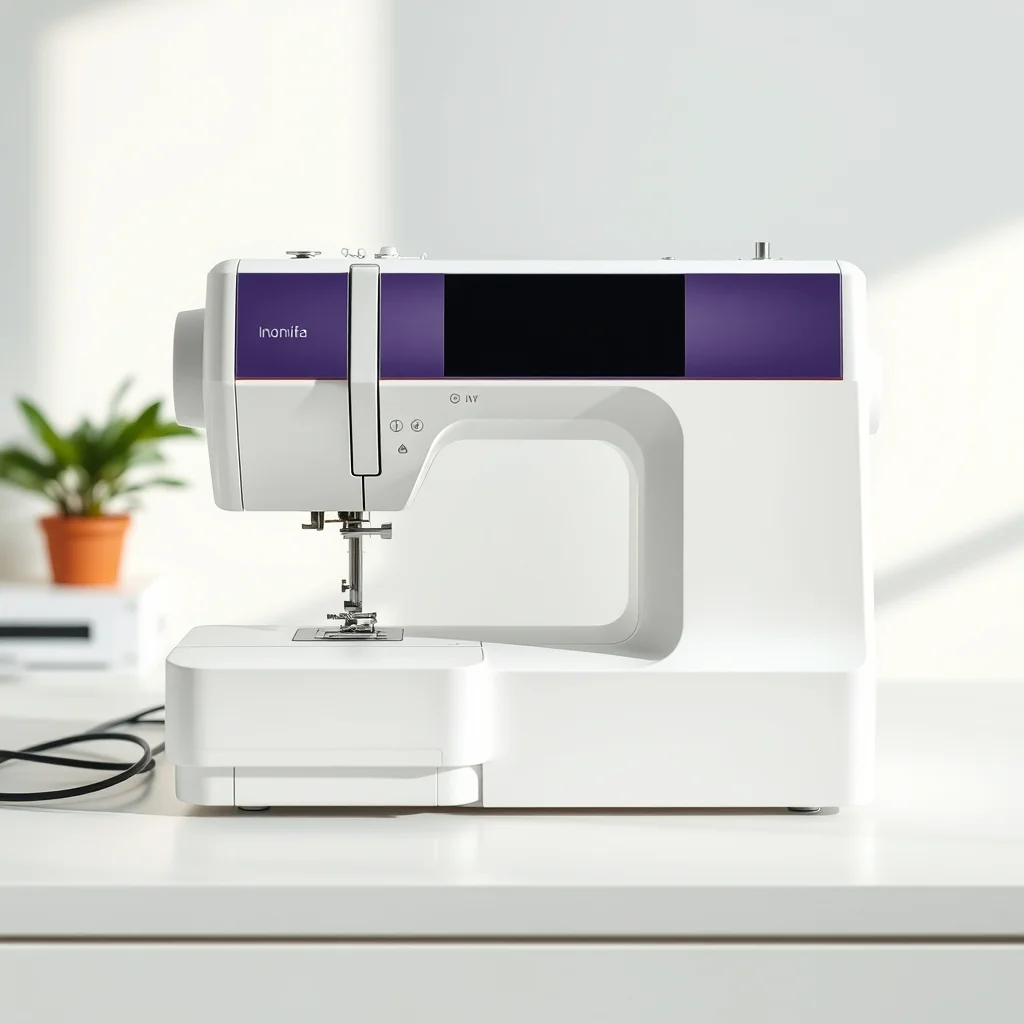
 Computerized sewing machine
LCD screen stitch selection, automatic tension, and built-in embroidery fonts. Best for sewists who want consistency and automation; repair depends on electronics.
Computerized sewing machine
LCD screen stitch selection, automatic tension, and built-in embroidery fonts. Best for sewists who want consistency and automation; repair depends on electronics.
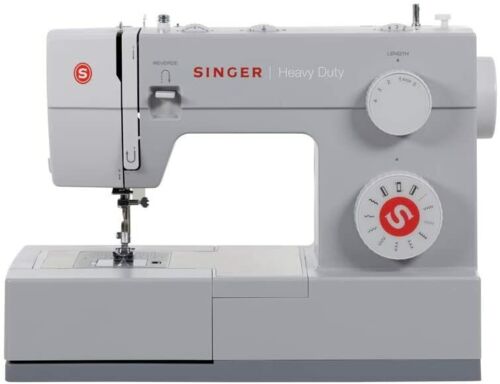 Heavy duty sewing machine
High-torque motor, all-metal frame, and reinforced presser foot for denim, canvas, leather, and multiple fabric layers. Look for stitch-per-minute ratings above 1,000.
Heavy duty sewing machine
High-torque motor, all-metal frame, and reinforced presser foot for denim, canvas, leather, and multiple fabric layers. Look for stitch-per-minute ratings above 1,000.
 Beginner sewing machine
Simplified threading, automatic bobbin winding, and a handful of useful stitches. Prioritize an internal metal frame over stitch count — cheap plastic frames fail under regular use.
Beginner sewing machine
Simplified threading, automatic bobbin winding, and a handful of useful stitches. Prioritize an internal metal frame over stitch count — cheap plastic frames fail under regular use.
 Brother sewing machine
Brother's lineup spans entry-level to semi-professional. Models like the CS6000i and the heavy-duty ST150HDH are consistently well-reviewed for build quality at their price tier.
Mechanical sewing machine
Dial-operated stitch selection, no circuit boards to fail. Simpler to service, often repairable for decades. Preferred by sewists who prioritize longevity and repairability over automation.
Brother sewing machine
Brother's lineup spans entry-level to semi-professional. Models like the CS6000i and the heavy-duty ST150HDH are consistently well-reviewed for build quality at their price tier.
Mechanical sewing machine
Dial-operated stitch selection, no circuit boards to fail. Simpler to service, often repairable for decades. Preferred by sewists who prioritize longevity and repairability over automation.