Guides
Practical fabric cutting content — tool types, blade sizes, mat specs, and when to step up from a manual rotary to an electric or die-cutting machine.
Why this page exists
Cutting tool marketing focuses on brand and color rather than the specs that determine performance. A 45mm blade behaves differently than a 28mm blade on curves; a 5-layer mat compresses differently than a 3-layer mat. These differences matter for cutting accuracy and mat lifespan.
This page explains what blade diameter actually changes, what "self-healing" mat construction means, when an electric cutter earns its cost, and when a die-cutting machine replaces a stack of plastic templates.
Fabric cutting tools worth searching on eBay
Rotary cutters, electric blades, die-cutting machines, and mats across use cases. We earn a small commission on qualifying sales; your price is unchanged. Full disclosure.
 Rotary cutter
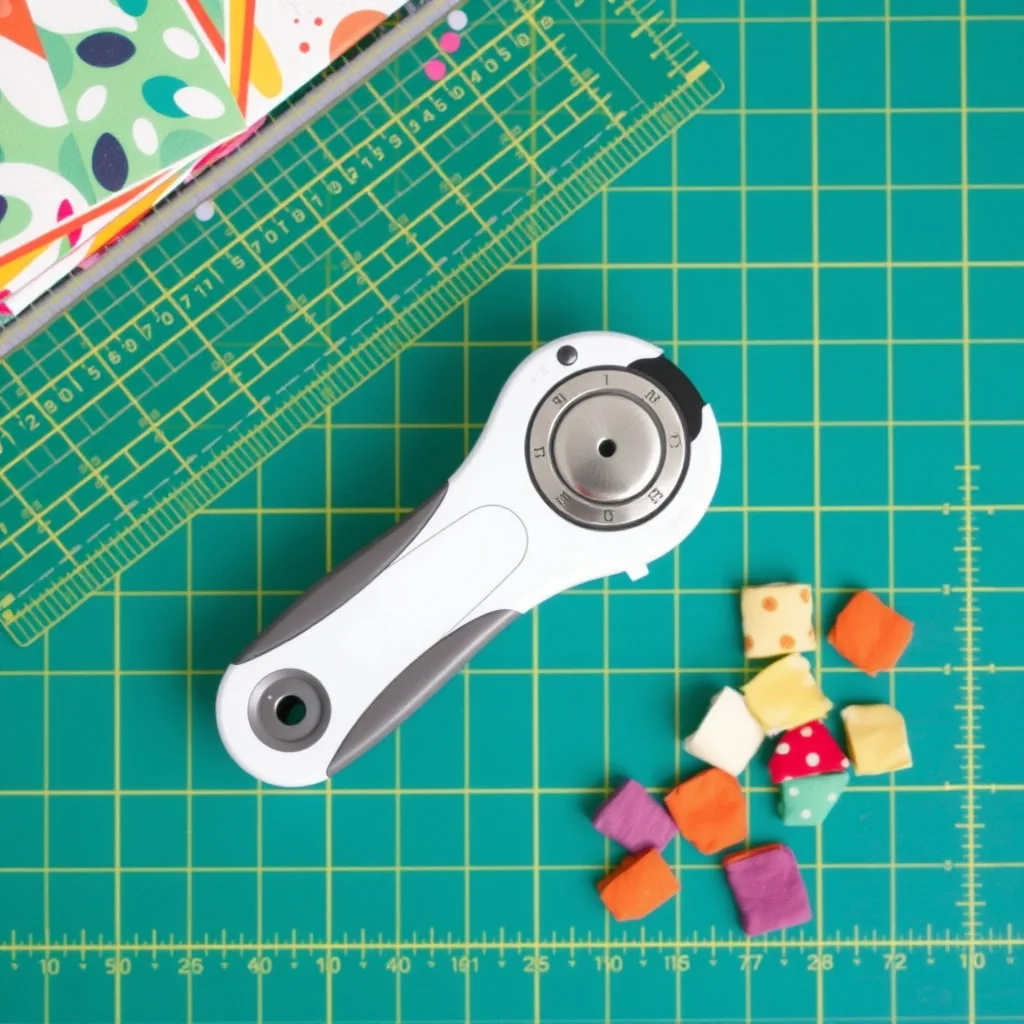
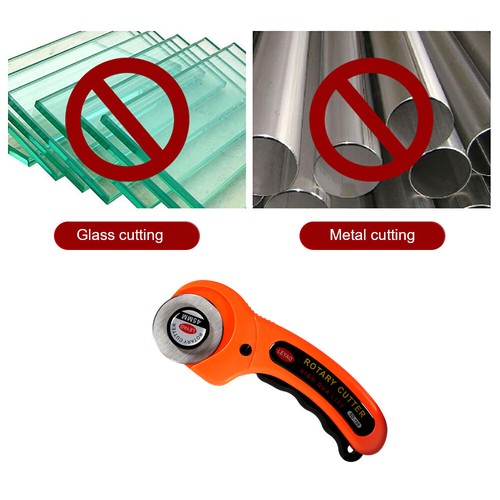
Circular blade in a handle for straight and curved cuts against a ruler. 45mm blade is the standard; 28mm for curves; 60mm for thick layers. Requires a self-healing mat.
Rotary cutter
Circular blade in a handle for straight and curved cuts against a ruler. 45mm blade is the standard; 28mm for curves; 60mm for thick layers. Requires a self-healing mat.
 Electric fabric cutter
Motorized rotary or reciprocating blade for high-volume cutting. Reduces hand fatigue in extended cutting sessions. Most useful for quilters or sewists cutting significant yardage regularly.
Electric fabric cutter
Motorized rotary or reciprocating blade for high-volume cutting. Reduces hand fatigue in extended cutting sessions. Most useful for quilters or sewists cutting significant yardage regularly.
 Fabric cutting machine
Die-cutting machines (Accuquilt, Sizzix) and computerized cutting plotters (Cricut, Silhouette with fabric blade). Each uses a different cutting mechanism with different accuracy trade-offs.
Fabric cutting machine
Die-cutting machines (Accuquilt, Sizzix) and computerized cutting plotters (Cricut, Silhouette with fabric blade). Each uses a different cutting mechanism with different accuracy trade-offs.
 Self-healing cutting mat
PVC or composite mat with surface that closes after rotary blade cuts. 5-layer mats last significantly longer than 3-layer. Minimum 18×24 inches for practical quilting work.
Self-healing cutting mat
PVC or composite mat with surface that closes after rotary blade cuts. 5-layer mats last significantly longer than 3-layer. Minimum 18×24 inches for practical quilting work.
 Rotary cutter set
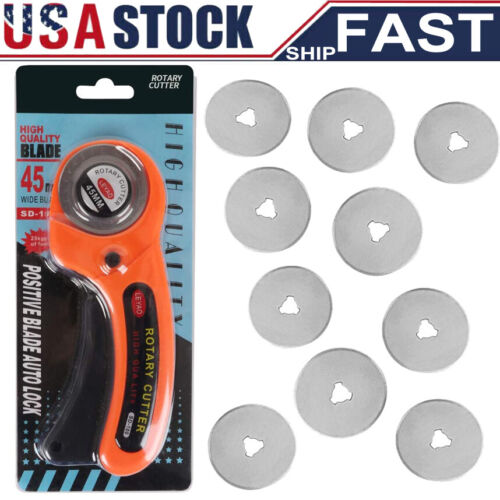
Bundle sets including cutter, mat, and quilting ruler. Convenient for new quilters; verify mat size and ruler width match your typical project scale.
Rotary cutter set
Bundle sets including cutter, mat, and quilting ruler. Convenient for new quilters; verify mat size and ruler width match your typical project scale.