Guides
Sander specs explained: pad size, orbit stroke, variable speed, dust collection, and disc selection.
Why this page exists
Orbital sander content focuses almost entirely on brand comparisons and largely ignores the orbit stroke diameter — the spec that most directly affects whether the sander leaves swirl marks at 150 grit. A larger orbit removes material faster but leaves a coarser finish; a smaller orbit finishes better but cuts slower.
This page covers the decision factors that actually matter: pad size, orbit stroke, dust collection quality, and whether variable speed is worth the cost premium for your work.
Orbital sanders worth searching on eBay
Compact detail sanders through 6-inch variable-speed professional machines. We earn a small commission on qualifying sales; your price is unchanged. Full disclosure.
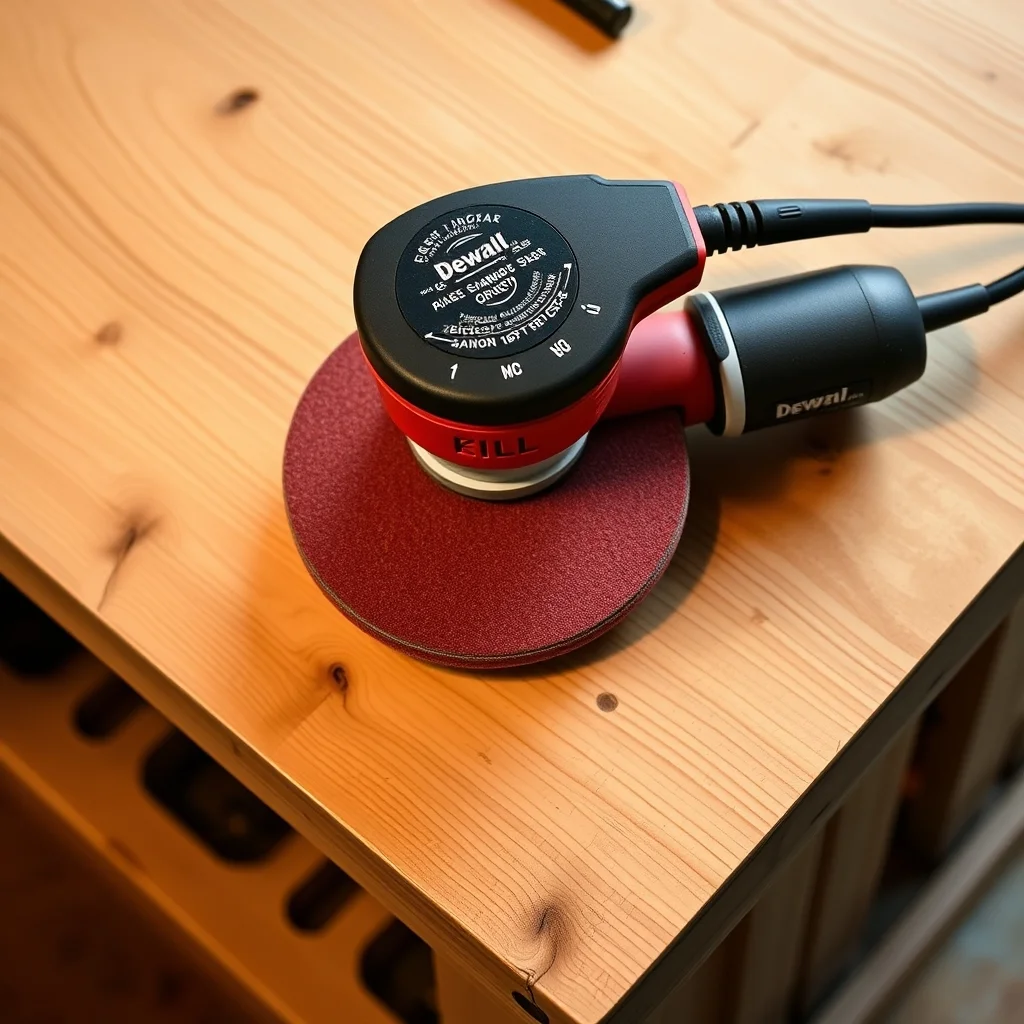
 Random Orbital Sander
The standard 5-inch pad class. Accepts 5-inch hook-and-loop discs in a wide range of grits. Most capable of light dust collection via onboard bag or vacuum port.
Random Orbital Sander
The standard 5-inch pad class. Accepts 5-inch hook-and-loop discs in a wide range of grits. Most capable of light dust collection via onboard bag or vacuum port.
 Palm Sander
Quarter-sheet or 1/3-sheet inline sander. Leaves a slightly coarser finish than a random orbital but handles edge work and tight spots better. Good complement to a random orbital.
Variable Speed Orbital Sander
Variable speed lets you slow down for delicate surfaces (veneer, paint preparation) and speed up for aggressive stock removal. Worthwhile if you sand a range of material types.
Palm Sander
Quarter-sheet or 1/3-sheet inline sander. Leaves a slightly coarser finish than a random orbital but handles edge work and tight spots better. Good complement to a random orbital.
Variable Speed Orbital Sander
Variable speed lets you slow down for delicate surfaces (veneer, paint preparation) and speed up for aggressive stock removal. Worthwhile if you sand a range of material types.
 5-Inch Sanding Discs
Hook-and-loop (Velcro) discs for random orbital sanders. Buy multi-packs in 80, 120, 150, and 220 grit. 8-hole pattern allows through-pad dust extraction on most sanders.
5-Inch Sanding Discs
Hook-and-loop (Velcro) discs for random orbital sanders. Buy multi-packs in 80, 120, 150, and 220 grit. 8-hole pattern allows through-pad dust extraction on most sanders.
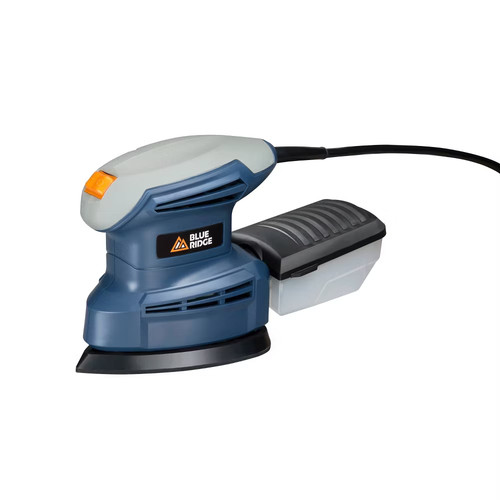 Detail Sander (Corner Sander)
Triangular pad oscillates for sanding into corners and tight spaces where a round pad can't reach. Not a substitute for an orbital but a useful complement for furniture and trim work.
Detail Sander (Corner Sander)
Triangular pad oscillates for sanding into corners and tight spaces where a round pad can't reach. Not a substitute for an orbital but a useful complement for furniture and trim work.