Guides
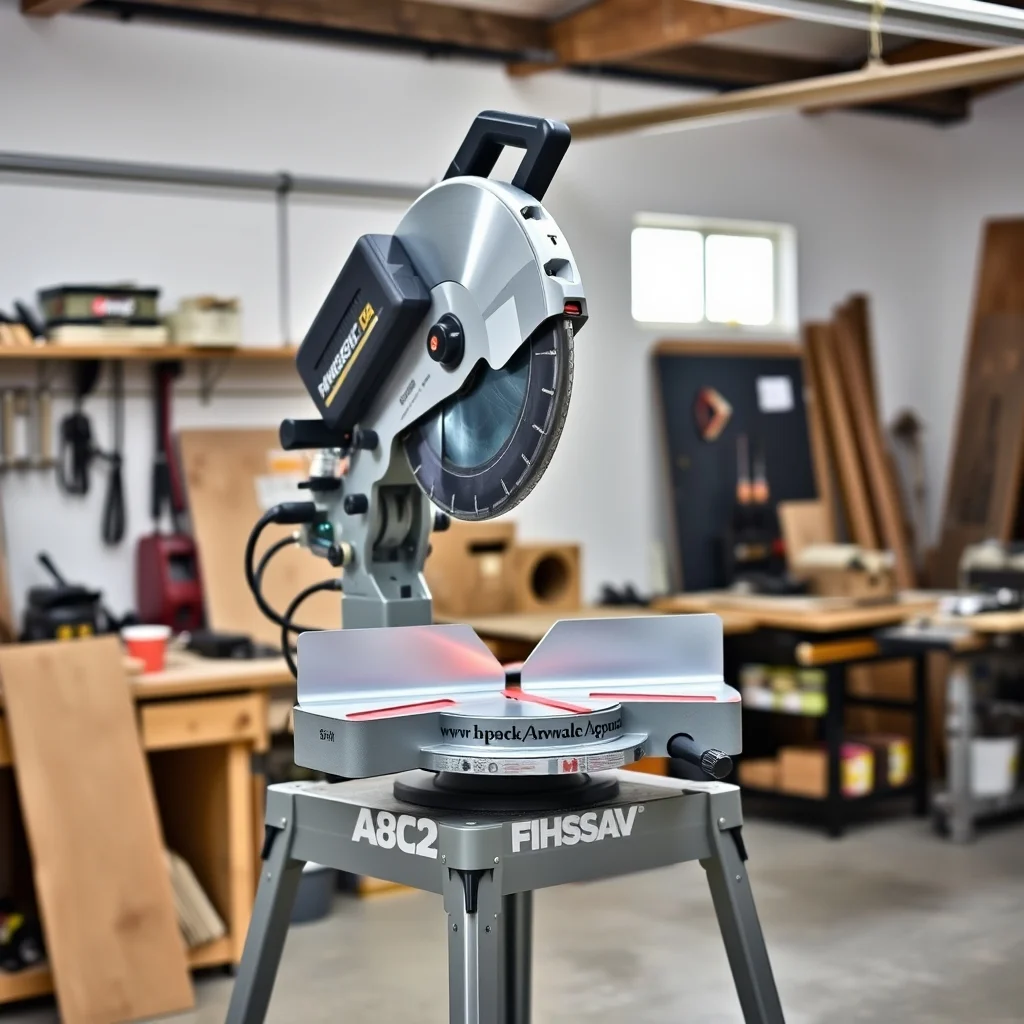
Miter-saw specs explained plainly — crosscut capacity, bevel stops, 10 vs 12 inch blades, and stand options.
Why this page exists
Miter-saw buying guides typically lead with brand comparisons and skip the structural differences between single-bevel and dual-bevel — which matters a lot for crown molding. The bevel type determines whether you flip the workpiece or flip the saw head, and that changes your setup time for every compound cut.
This page covers the decisions that actually affect how a saw performs in your shop: crosscut capacity at 90° and 45°, bevel detent quality, blade size trade-offs, and whether a stand is worth the footprint.
Miter saws worth searching on eBay
Single-bevel compounds through sliding dual-bevel saws and stands. We earn a small commission on qualifying sales; your price is unchanged. Full disclosure.
 Sliding Miter Saw
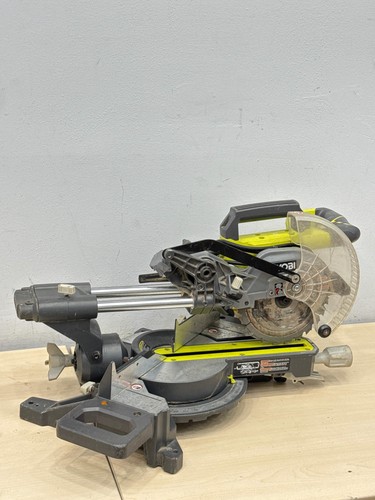
Sliding rails extend crosscut capacity to 12–16 inches at 90°. Best for wide boards and trim. Note that rails require clearance behind the saw — check your wall distance before buying.
Sliding Miter Saw
Sliding rails extend crosscut capacity to 12–16 inches at 90°. Best for wide boards and trim. Note that rails require clearance behind the saw — check your wall distance before buying.
 Compound Miter Saw
Bevels in one direction (single) or both (dual). Dual-bevel lets you tilt the head rather than flip the workpiece for compound crown molding cuts — worth it if you do trim work.
Compound Miter Saw
Bevels in one direction (single) or both (dual). Dual-bevel lets you tilt the head rather than flip the workpiece for compound crown molding cuts — worth it if you do trim work.
 12-Inch Miter Saw
Larger blade diameter increases crosscut capacity and handles thicker stock. Heavier and pricier than 10-inch; best if you regularly cut stock wider than 6 inches at 90°.
12-Inch Miter Saw
Larger blade diameter increases crosscut capacity and handles thicker stock. Heavier and pricier than 10-inch; best if you regularly cut stock wider than 6 inches at 90°.
 Miter Saw Stand
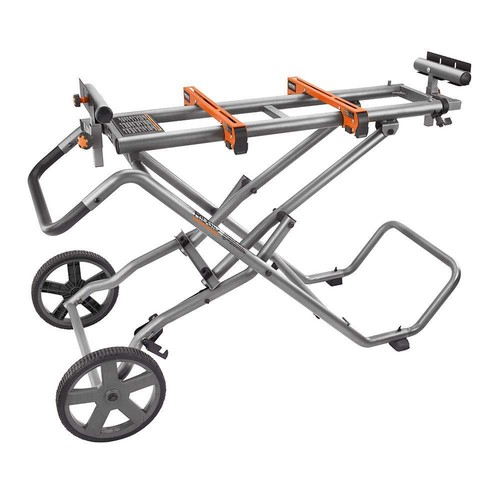
Roller-support arms extend outfeed for long stock. Folding stands add portability for jobsite use. Verify the stand's weight capacity matches your saw.
Miter Saw Stand
Roller-support arms extend outfeed for long stock. Folding stands add portability for jobsite use. Verify the stand's weight capacity matches your saw.
 Miter Saw Blade
60–80 tooth ATB blades produce cleaner crosscuts in hardwood and trim. Check arbor diameter (5/8 inch standard) and blade kerf to confirm fit. Match blade diameter to your saw.
Miter Saw Blade
60–80 tooth ATB blades produce cleaner crosscuts in hardwood and trim. Check arbor diameter (5/8 inch standard) and blade kerf to confirm fit. Match blade diameter to your saw.