Guides
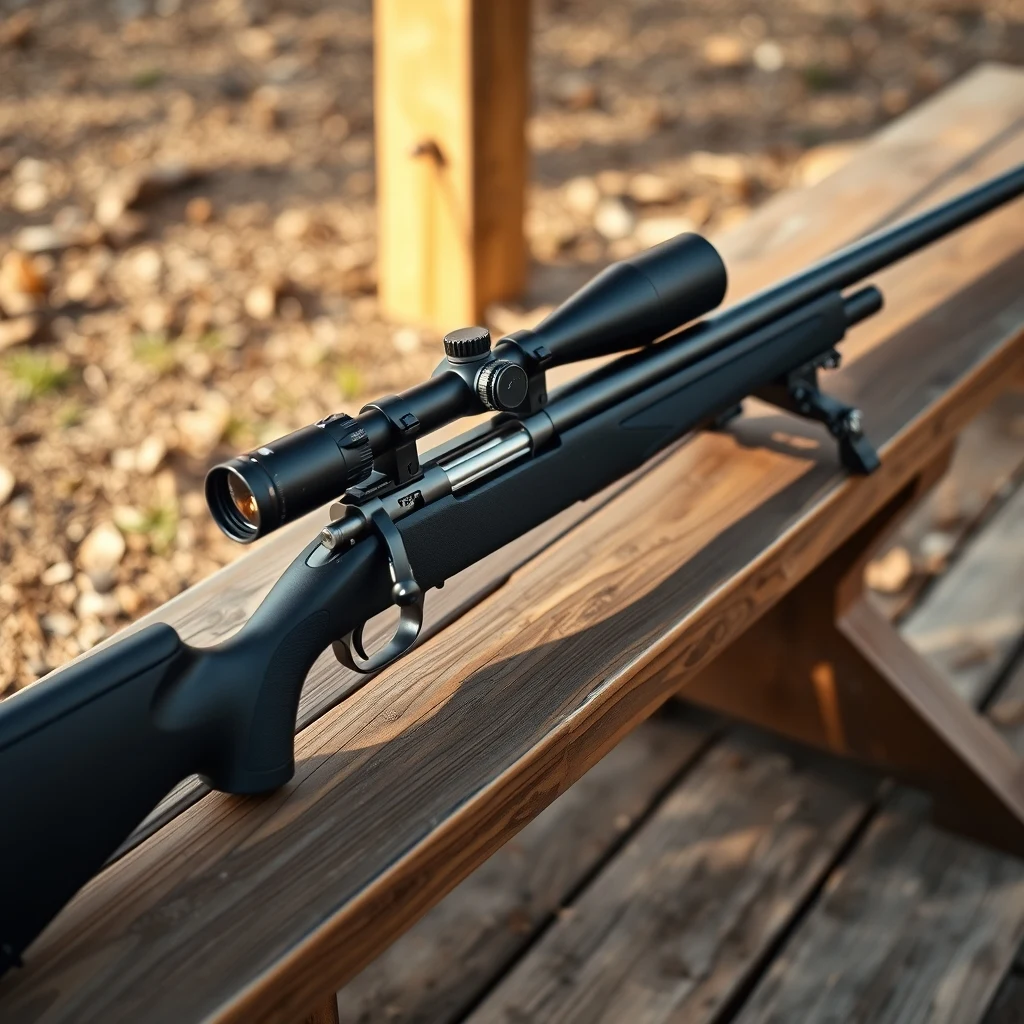
Practical air rifle content — powerplant comparisons, caliber selection, and optics that hold zero on a springer. No marketing copy.
Why this page exists
Air rifle content online splits between gear-review sites full of spec tables and YouTube channels doing slow-motion pellet tests. Neither tells you what actually matters when choosing a powerplant for your intended use.
A PCP and a break-barrel spring rifle can both shoot .22 caliber pellets accurately at 30 yards, but they require completely different handling, maintenance, and optics setups. This page explains the practical differences so you can buy right the first time.
Air rifles worth searching on eBay
PCP, break-barrel, CO2, and optics — the searches that actually return results worth comparing. We earn a small commission on qualifying sales; your price is unchanged. Full disclosure.
 PCP Air Rifle
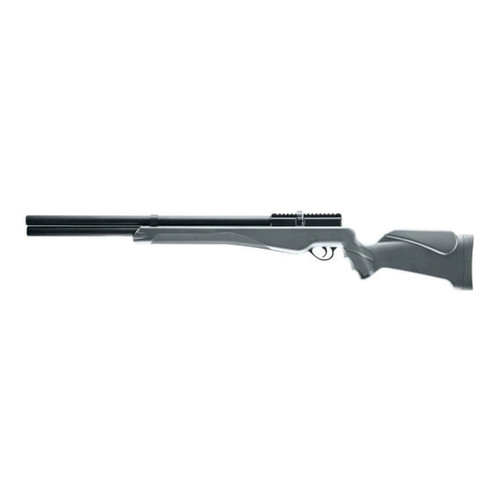
Pre-charged pneumatic — consistent shot-to-shot velocity, no recoil, magazine-fed options available. Requires a hand pump or dive tank to fill. Best for target accuracy at 30–50+ yards.
PCP Air Rifle
Pre-charged pneumatic — consistent shot-to-shot velocity, no recoil, magazine-fed options available. Requires a hand pump or dive tank to fill. Best for target accuracy at 30–50+ yards.
 Break Barrel Air Rifle
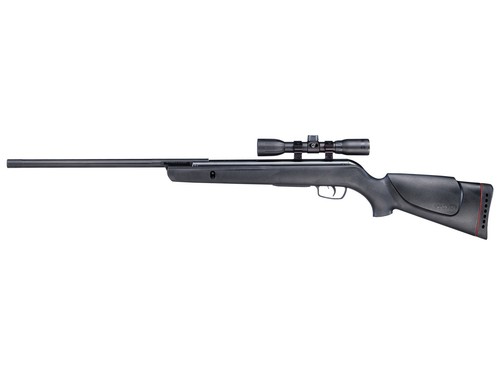
Spring or gas-piston powerplant, self-contained — no external air source needed. Cocking the barrel compresses the spring. Distinctive double-recoil requires airgun-rated scopes.
Break Barrel Air Rifle
Spring or gas-piston powerplant, self-contained — no external air source needed. Cocking the barrel compresses the spring. Distinctive double-recoil requires airgun-rated scopes.
 .22 Caliber Air Rifle
Heavier pellet, more downrange energy than .177 — the standard choice for pest control and small game where legal. Shoots a range of pellet weights from ~14 to 25+ grains.
PCP Air Rifle Hunting
Hunting-configured PCP rifles in .22, .25, or larger caliber — typically 30+ ft-lbs at the muzzle. Regulated or unregulated; regulated models give more consistent velocity across a fill.
.22 Caliber Air Rifle
Heavier pellet, more downrange energy than .177 — the standard choice for pest control and small game where legal. Shoots a range of pellet weights from ~14 to 25+ grains.
PCP Air Rifle Hunting
Hunting-configured PCP rifles in .22, .25, or larger caliber — typically 30+ ft-lbs at the muzzle. Regulated or unregulated; regulated models give more consistent velocity across a fill.
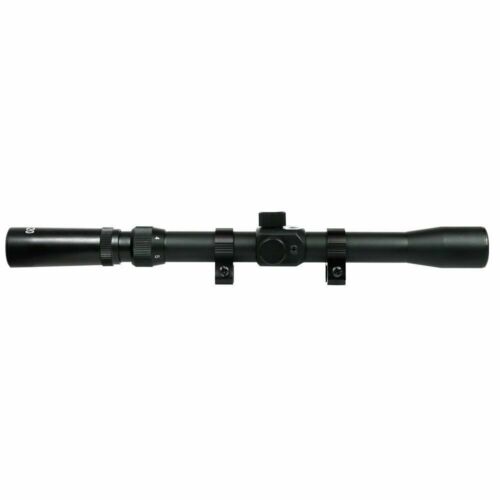 Air Rifle Scope
Airgun-rated scopes handle the double-recoil of springers that destroys standard rimfire scopes. Look for "airgun rated" or "spring gun rated" labeling. PCP shooters can use standard rifle scopes.
Air Rifle Scope
Airgun-rated scopes handle the double-recoil of springers that destroys standard rimfire scopes. Look for "airgun rated" or "spring gun rated" labeling. PCP shooters can use standard rifle scopes.