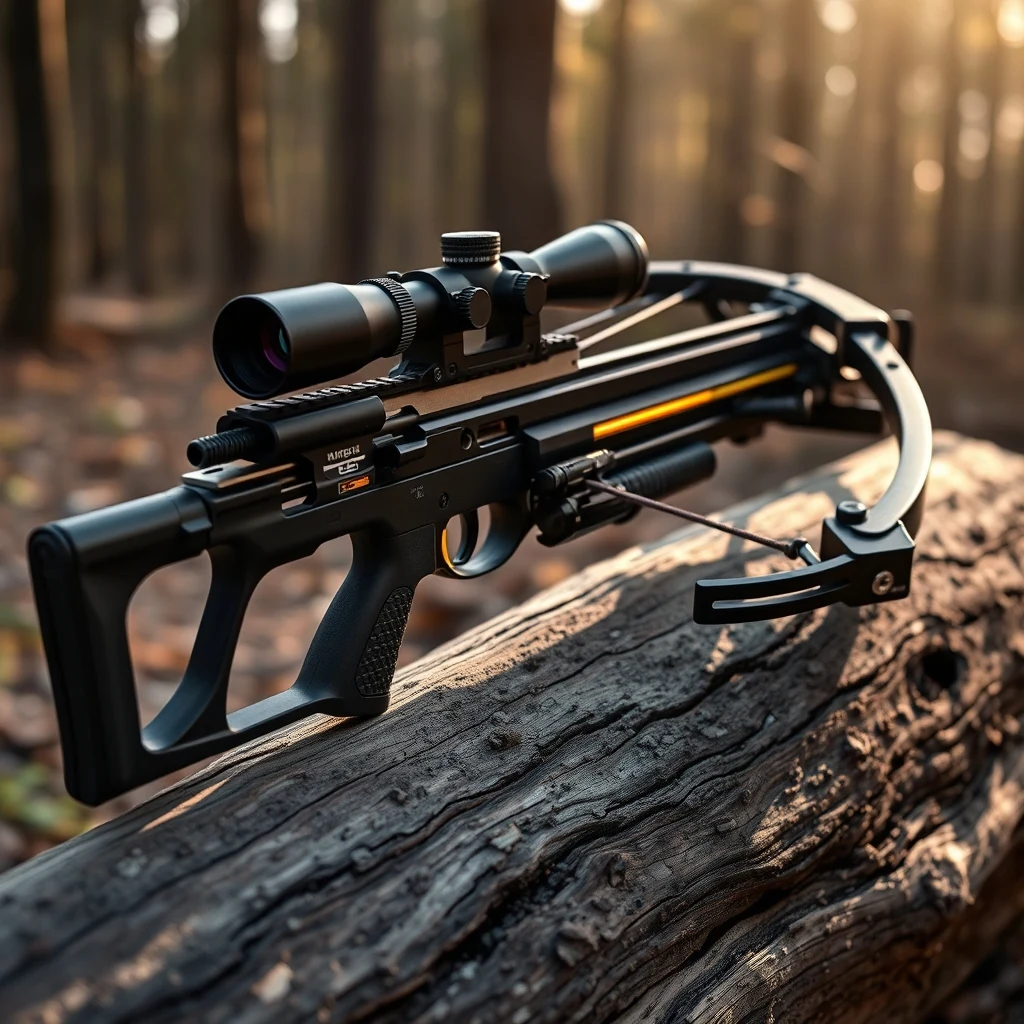
Guides
Practical crossbow content — compound vs recurve, kinetic energy at range, cocking methods, and scope selection. No filler.
Why this page exists
Crossbow content online is dominated by brand review videos and hunting sites that don't explain the underlying mechanics. Most buyers don't understand how draw weight and bolt weight interact to produce kinetic energy — or why that matters more than FPS alone.
A 400 fps crossbow firing a 350-grain bolt delivers different energy than a 400 fps crossbow firing a 400-grain bolt. This page explains the math and what it means for your hunting use case, target range, or state hunting regulations.
Crossbows worth searching on eBay
Compound packages, recurves, carbon bolts, and cocking aids. We earn a small commission on qualifying sales; your price is unchanged. Full disclosure.
 Compound Hunting Crossbow
Cams and cables provide let-off, reducing holding weight at full draw. Narrower axle-to-axle width than recurve, higher FPS per pound of draw weight. The dominant format for deer hunting.
Compound Hunting Crossbow
Cams and cables provide let-off, reducing holding weight at full draw. Narrower axle-to-axle width than recurve, higher FPS per pound of draw weight. The dominant format for deer hunting.
 Crossbow Package with Scope
Ready-to-hunt packages include a scope, quiver, and bolts. Convenient but verify the scope's reticle is calibrated for the included bolt weight at the advertised FPS.
Crossbow Package with Scope
Ready-to-hunt packages include a scope, quiver, and bolts. Convenient but verify the scope's reticle is calibrated for the included bolt weight at the advertised FPS.
 Recurve Crossbow
Simpler mechanism, wider limb spread, easier to service in the field. No cams to tune. Requires more draw weight to achieve equivalent FPS vs compound. Often preferred for simplicity.
Recurve Crossbow
Simpler mechanism, wider limb spread, easier to service in the field. No cams to tune. Requires more draw weight to achieve equivalent FPS vs compound. Often preferred for simplicity.
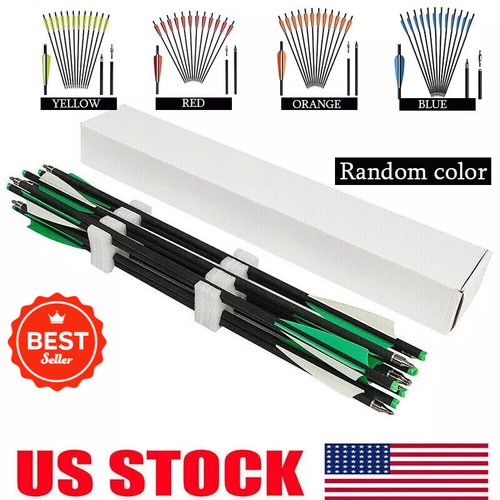 Carbon Crossbow Bolts
Carbon shafts are lighter and more consistent than aluminum, and less prone to bending. Match bolt weight and spine to your crossbow's specs — mismatched bolts affect both accuracy and safety.
Carbon Crossbow Bolts
Carbon shafts are lighter and more consistent than aluminum, and less prone to bending. Match bolt weight and spine to your crossbow's specs — mismatched bolts affect both accuracy and safety.
 Crossbow Cocking Device
Rope cocking aids halve the effective pull weight. Crank cocking devices reduce it further — essential for shooters with limited upper-body strength or high-draw-weight crossbows (200+ lbs).
Crossbow Cocking Device
Rope cocking aids halve the effective pull weight. Crank cocking devices reduce it further — essential for shooters with limited upper-body strength or high-draw-weight crossbows (200+ lbs).