Guides
Practical buying guides for space heaters — heating technology comparison, wattage math, and safety features that actually matter.
Why this page exists
Space heater marketing leads with "heat a room in minutes" and "1,500 watts of warmth" — numbers that are true for every space heater regardless of price, because 1,500 watts is the maximum a standard US 15-amp circuit safely supports. The real differences lie in how quickly a unit responds, how evenly it distributes heat, and whether its safety systems actually work.
Space heaters are involved in thousands of house fires annually in the US. Safety features are not marketing additions — they are the core spec. This guide explains what to look for.
Space heaters worth searching on eBay
Ceramic, infrared, and oil-filled units by use case. We earn a small commission on qualifying sales; your price is unchanged. Full disclosure.
 Ceramic Space Heater
Heats room air quickly with a fan-forced element. Best for fast heat-up and whole-room warmth. Fan noise is a factor — check dB specs for bedroom use.
Ceramic Space Heater
Heats room air quickly with a fan-forced element. Best for fast heat-up and whole-room warmth. Fan noise is a factor — check dB specs for bedroom use.
 Infrared Space Heater
Heats objects and people directly without warming the air first. Silent operation, instant-on warmth in the beam. Less effective for enclosed rooms with poor insulation.
Infrared Space Heater
Heats objects and people directly without warming the air first. Silent operation, instant-on warmth in the beam. Less effective for enclosed rooms with poor insulation.
 Oil-Filled Radiator Heater
Holds warmth after the element cycles off — ideal for bedrooms. Slowest heat-up time but most consistent temperature and completely silent. No exposed hot surfaces.
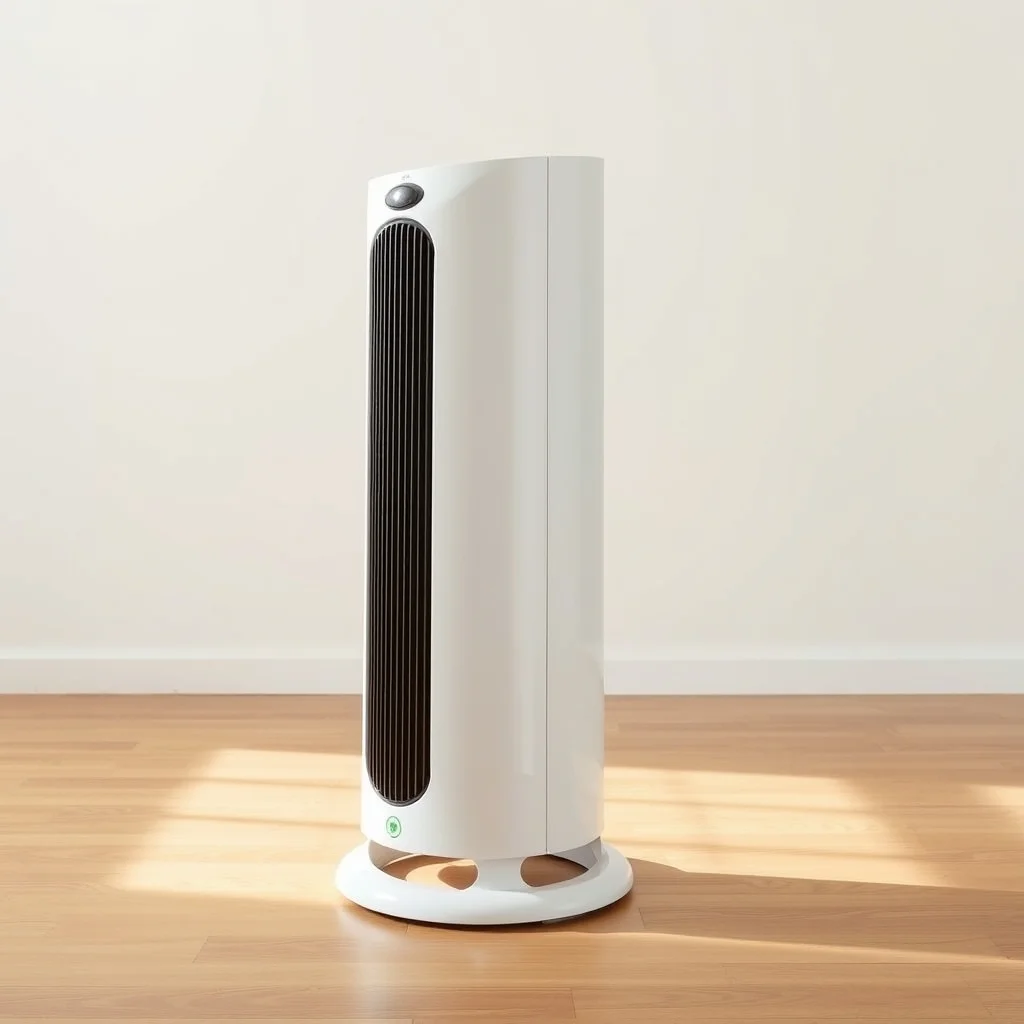
Tower Space Heater
Tall, narrow form factor with wide-angle oscillation for even distribution. Ceramic element in most cases. Small footprint for living rooms and offices.
Oil-Filled Radiator Heater
Holds warmth after the element cycles off — ideal for bedrooms. Slowest heat-up time but most consistent temperature and completely silent. No exposed hot surfaces.
Tower Space Heater
Tall, narrow form factor with wide-angle oscillation for even distribution. Ceramic element in most cases. Small footprint for living rooms and offices.
 Space Heater with Thermostat
A programmable thermostat cycles the unit on and off to maintain target temperature. Look for digital thermostats — analog dial thermostats are often inaccurate by 5–10°F.
Space Heater with Thermostat
A programmable thermostat cycles the unit on and off to maintain target temperature. Look for digital thermostats — analog dial thermostats are often inaccurate by 5–10°F.