Guides
Buying guides for dehumidifiers — capacity math, drainage options, and basement vs living-area performance.
Why this page exists
Dehumidifier capacity ratings changed significantly in 2019 when the Department of Energy updated test conditions from 80°F/60% RH to 65°F/60% RH. A unit previously rated at 70 pints/day became a 50-pint unit — not because it got worse, but because the standard became more realistic for the cool, damp basements where most dehumidifiers actually operate.
Older units and some listings still use the pre-2019 ratings, making direct comparisons confusing without understanding the history. This guide explains how to read current specs and size correctly for your space.
Dehumidifiers worth searching on eBay
Units across size classes and use cases. We earn a small commission on qualifying sales; your price is unchanged. Full disclosure.
 Basement Dehumidifier
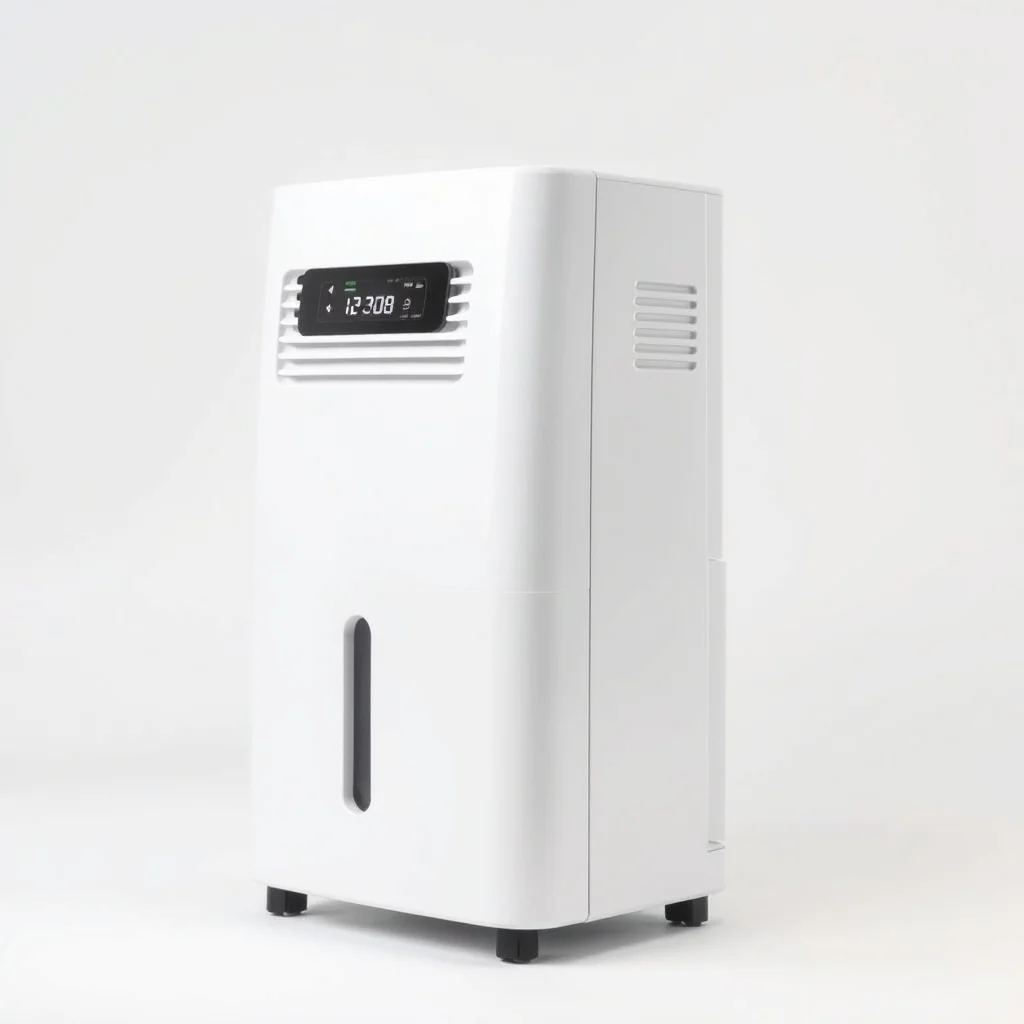
Full-size units (35–50 pint/day post-2019) designed for cool, damp basement environments. Continuous drain port is essential for unattended basement operation.
Basement Dehumidifier
Full-size units (35–50 pint/day post-2019) designed for cool, damp basement environments. Continuous drain port is essential for unattended basement operation.
 50-Pint Dehumidifier
The current standard large-capacity class under post-2019 DOE ratings — equivalent to the old 70-pint class. Rated for spaces up to roughly 2,000 sq ft under moderate conditions.
50-Pint Dehumidifier
The current standard large-capacity class under post-2019 DOE ratings — equivalent to the old 70-pint class. Rated for spaces up to roughly 2,000 sq ft under moderate conditions.
 Small Dehumidifier
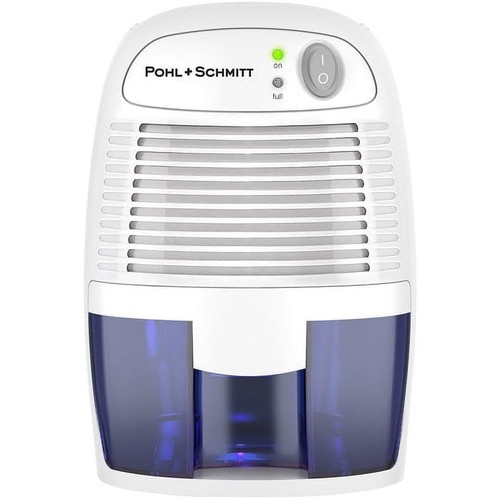
Compact units (20–30 pint/day) for bedrooms, bathrooms, and small spaces. Lower noise and lower power draw, but tank empties faster and requires continuous drain if running overnight.
Small Dehumidifier
Compact units (20–30 pint/day) for bedrooms, bathrooms, and small spaces. Lower noise and lower power draw, but tank empties faster and requires continuous drain if running overnight.
 Dehumidifier with Pump
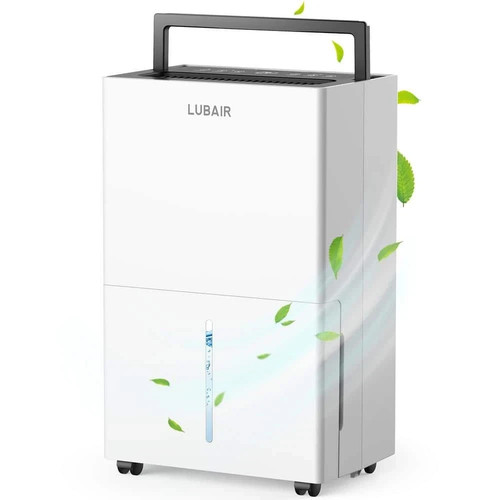
Built-in condensate pump allows draining upward to a utility sink, window, or floor drain that is not gravity-accessible. Critical for basements without a floor drain nearby.
Dehumidifier with Pump
Built-in condensate pump allows draining upward to a utility sink, window, or floor drain that is not gravity-accessible. Critical for basements without a floor drain nearby.
 Crawl Space Dehumidifier
Compact, horizontally-oriented units designed for the low-clearance, uninsulated environments of crawl spaces. Often Energy Star rated and built for 24/7 continuous operation.
Crawl Space Dehumidifier
Compact, horizontally-oriented units designed for the low-clearance, uninsulated environments of crawl spaces. Often Energy Star rated and built for 24/7 continuous operation.