Guides
Practical polymer clay buying content — brand firmness compared, conditioning explained, and what tools actually improve your work.
Why this page exists
Polymer clay buying guides typically don't explain firmness or why it matters. A beginner using Fimo Professional (quite firm) without a pasta machine or food processor to condition it will get frustrated and blame the clay.
The firmness difference between Sculpey III and Fimo Professional is substantial and changes the tools you need to work it. This page covers the real brand comparison, what conditioning means in practice, and what tools are genuinely useful vs optional.
Polymer clay worth searching on eBay
Sculpey, Fimo, Premo, and starter kits from major brands. We earn a small commission on qualifying sales; your price is unchanged. Full disclosure.
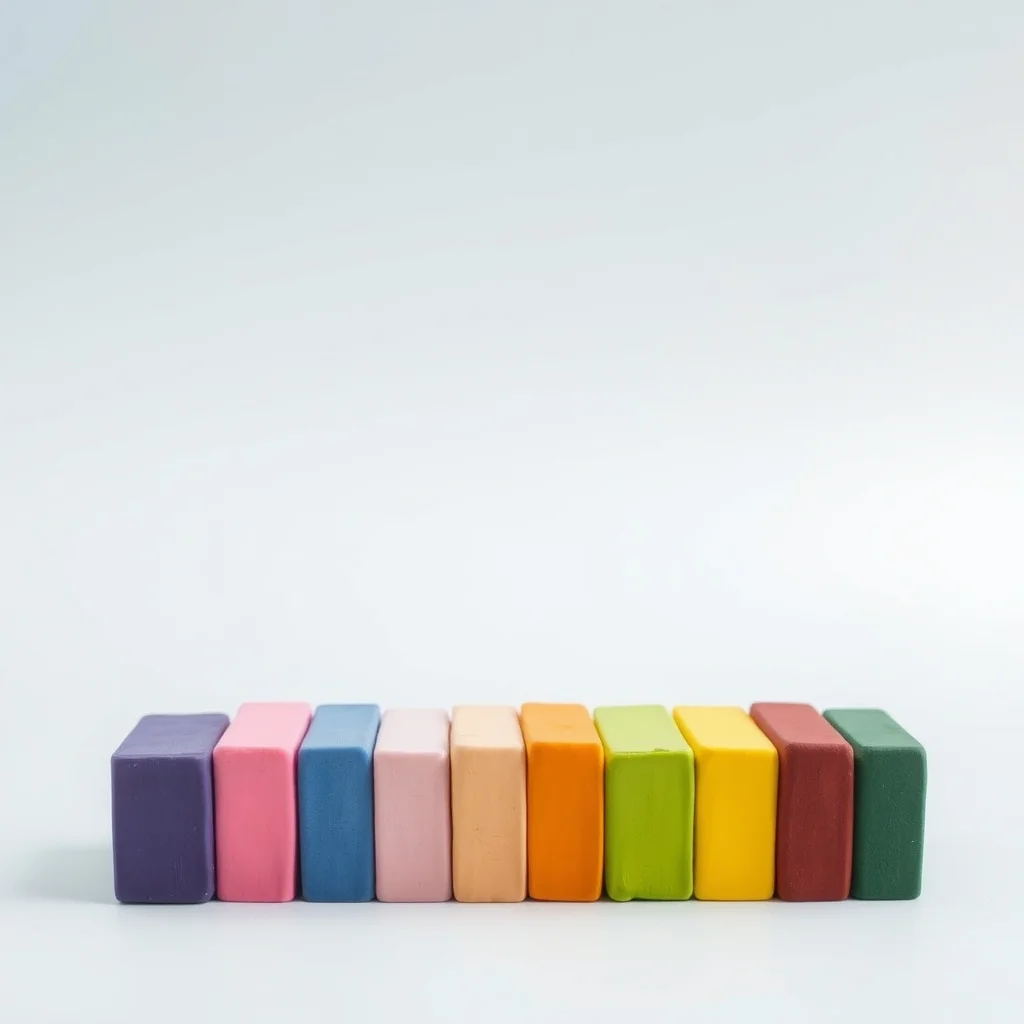
 Polymer clay set
Multi-color starter sets. Check brand — Sculpey III sets are softer (good for children and beginners); Premo sets are firmer and better for detailed work. Color count varies widely; 24+ colors offers more mixing range.
Polymer clay set
Multi-color starter sets. Check brand — Sculpey III sets are softer (good for children and beginners); Premo sets are firmer and better for detailed work. Color count varies widely; 24+ colors offers more mixing range.
 Sculpey clay
The soft entry-level line. Sculpey III is very soft and easy to condition by hand — ideal for children or beginners with hand fatigue concerns. Premo (also Sculpey brand) is firmer and more detail-friendly.
Sculpey clay
The soft entry-level line. Sculpey III is very soft and easy to condition by hand — ideal for children or beginners with hand fatigue concerns. Premo (also Sculpey brand) is firmer and more detail-friendly.
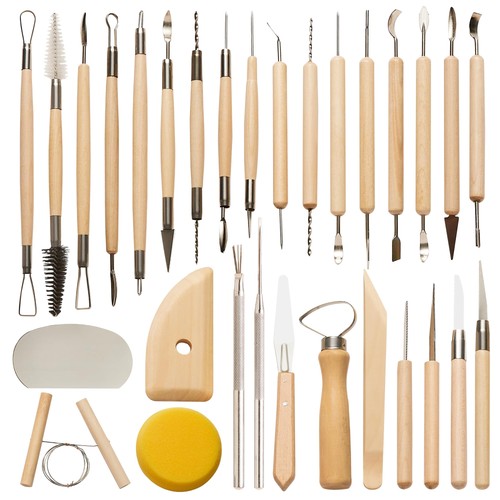 Polymer clay tools
Acrylic rollers, clay blades, shape cutters, and detail tools. The most useful: an acrylic roller (for even thickness), a tissue blade (for clean straight cuts), and a dedicated clay-only pasta machine for conditioning.
Polymer clay tools
Acrylic rollers, clay blades, shape cutters, and detail tools. The most useful: an acrylic roller (for even thickness), a tissue blade (for clean straight cuts), and a dedicated clay-only pasta machine for conditioning.
 Fimo clay
Fimo Soft is firm but workable by hand. Fimo Professional is firmer still and holds very fine detail — the standard for miniature artists and caning. Both bake at 230°F/110°C for 30 minutes per 6mm thickness.
Fimo clay
Fimo Soft is firm but workable by hand. Fimo Professional is firmer still and holds very fine detail — the standard for miniature artists and caning. Both bake at 230°F/110°C for 30 minutes per 6mm thickness.
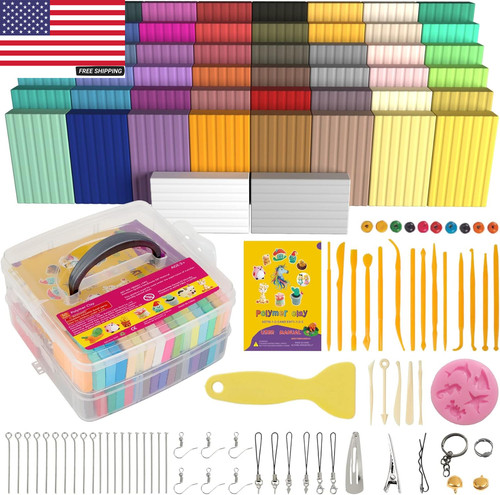 Polymer clay starter kit
Kits bundling clay plus tools. Check if the tools included are clay-specific — generic craft tool sets often include tools with finishes that react poorly to polymer clay. A kit with an acrylic roller + clay blade is the most useful entry point.
Polymer clay starter kit
Kits bundling clay plus tools. Check if the tools included are clay-specific — generic craft tool sets often include tools with finishes that react poorly to polymer clay. A kit with an acrylic roller + clay blade is the most useful entry point.