Guides
Practical ceramic glaze buying content — cone ratings, underglaze vs glaze, food-safe standards, and layering basics.
Why this page exists
Glaze buying content online splits into two problems: beginner guides that don't explain cone compatibility, and manufacturer pages selling glazes without clear food-safe labeling. A glaze that's beautiful but fired at the wrong cone is either underfired (potentially leaching) or crawling off the pot.
This page covers the cone-matching question plainly, distinguishes underglaze from glaze (not the same thing, applied in different orders), and addresses food-safe certification honestly — including what the label means and what it doesn't.
Ceramic glazes worth searching on eBay
Glazes and underglazes from Amaco, Mayco, and others. Confirm cone rating before purchasing. We earn a small commission on qualifying sales; your price is unchanged. Full disclosure.
 Ceramic glaze
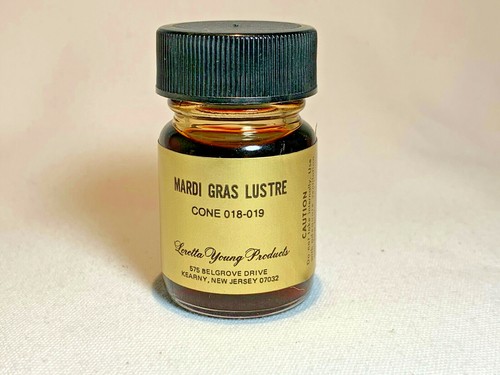
The broad category. Filter results by searching the cone rating alongside (e.g. "ceramic glaze cone 6"). Glaze goes on top of or instead of underglaze — confirm application order before your first firing.
Ceramic glaze
The broad category. Filter results by searching the cone rating alongside (e.g. "ceramic glaze cone 6"). Glaze goes on top of or instead of underglaze — confirm application order before your first firing.
 Pottery glaze
Synonym search that surfaces different listing styles. Includes dip glazes, brushing glazes, and specialty effect glazes (crystalline, shino, ash). Check if the listing specifies application method.
Pottery glaze
Synonym search that surfaces different listing styles. Includes dip glazes, brushing glazes, and specialty effect glazes (crystalline, shino, ash). Check if the listing specifies application method.
 Underglaze set
Underglaze goes under a clear or transparent glaze — it provides color without the glassy surface on its own. Sets of 12–24 colors are common. Amaco Velvet underglazes are a widely-used standard.
Underglaze set
Underglaze goes under a clear or transparent glaze — it provides color without the glassy surface on its own. Sets of 12–24 colors are common. Amaco Velvet underglazes are a widely-used standard.
 Amaco glaze
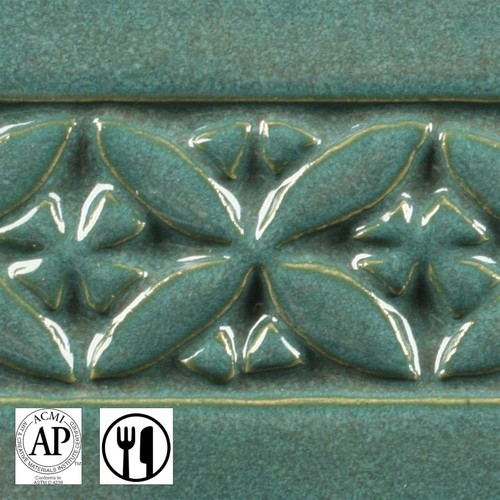
Amaco is among the most common US studio glaze brands. Their Potter's Choice and Potters Choice Layering lines are cone 5–6. Their Low-Fire line is cone 06. Check the series before ordering.
Amaco glaze
Amaco is among the most common US studio glaze brands. Their Potter's Choice and Potters Choice Layering lines are cone 5–6. Their Low-Fire line is cone 06. Check the series before ordering.
 Mayco glaze
Mayco's Stoneware and Elements lines fire at cone 5–6 and are known for layering well together. Their Jungle Gems crystal glazes produce unpredictable crystalline effects — good for decorative work.
Mayco glaze
Mayco's Stoneware and Elements lines fire at cone 5–6 and are known for layering well together. Their Jungle Gems crystal glazes produce unpredictable crystalline effects — good for decorative work.