Guides
Practical electric kettle guidance — temperature control, spout type, material, and capacity without the appliance-review filler.
Why this page exists
Electric kettle buying guides tend to focus on brand prestige and aesthetic. The specs that matter in daily use are narrower: does it hold temperature, what does the spout let you control, and does the material affect taste?
A gooseneck kettle with temperature hold is a fundamentally different tool from a fast-boiling standard kettle. Both heat water; only one is suitable for specialty coffee or tea brewing where temperature precision matters. This page covers the distinctions.
Electric kettles worth searching on eBay
Variable temperature, gooseneck, and standard electric kettles. We earn a small commission on qualifying sales; your price is unchanged. Full disclosure.
 Electric kettle temperature control
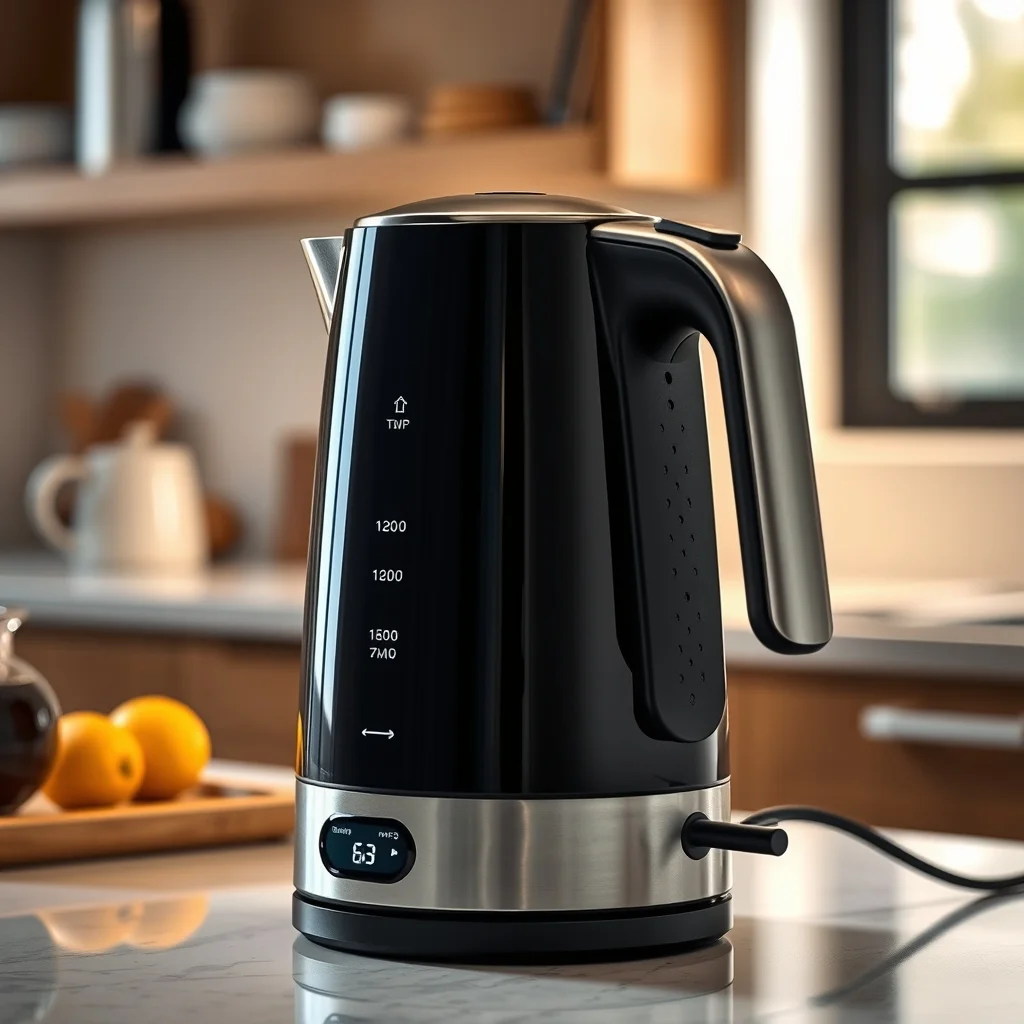
Variable temperature lets you set 60–100°C. Essential for green tea (70–80°C), white tea (75–85°C), and specialty coffee. Look for a hold function (30–60 min).
Electric kettle temperature control
Variable temperature lets you set 60–100°C. Essential for green tea (70–80°C), white tea (75–85°C), and specialty coffee. Look for a hold function (30–60 min).
 Gooseneck electric kettle
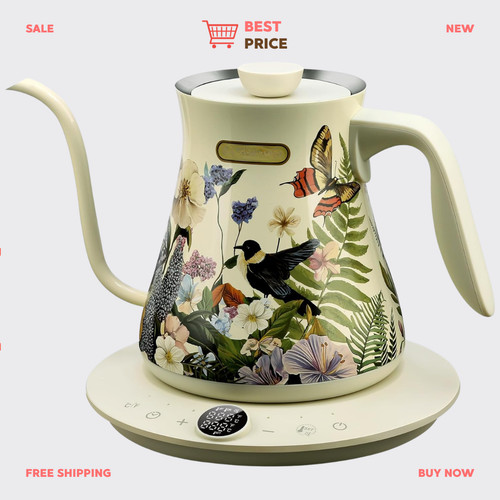
Narrow curved spout for precision pour control. Required for pour-over coffee. Most gooseneck electric kettles also include temperature control — check that the combination is available.
Gooseneck electric kettle
Narrow curved spout for precision pour control. Required for pour-over coffee. Most gooseneck electric kettles also include temperature control — check that the combination is available.
 Glass electric kettle
Borosilicate glass lets you watch the boil. Chemically neutral — no metal taste risk. Typically without temperature control; check the listing. Handle and base are usually plastic.
Glass electric kettle
Borosilicate glass lets you watch the boil. Chemically neutral — no metal taste risk. Typically without temperature control; check the listing. Handle and base are usually plastic.
 Stainless electric kettle
Durable and widely available. Most variable-temperature models are stainless. Verify interior is food-grade stainless (18/8 or 304) rather than plated to avoid taste issues.
Stainless electric kettle
Durable and widely available. Most variable-temperature models are stainless. Verify interior is food-grade stainless (18/8 or 304) rather than plated to avoid taste issues.
 Electric tea kettle
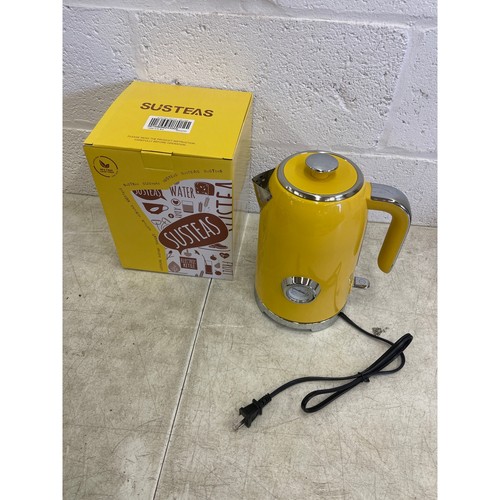
Standard-spout fast-boil kettles for black tea and general hot water use. Higher wattage (1500–1800W in US; up to 3000W in 240V markets) means faster boil times.
Electric tea kettle
Standard-spout fast-boil kettles for black tea and general hot water use. Higher wattage (1500–1800W in US; up to 3000W in 240V markets) means faster boil times.