Guides
Practical floor jack content — tonnage math, lift range comparisons, and material trade-offs. No sponsored rankings.
Why this page exists
Floor jack content online splits into two categories: spec tables that don't explain what the numbers mean, and affiliate posts pushing whatever has the highest commission. Neither tells you how to match a jack to your specific vehicle's clearance and weight.
A 2-ton jack and a 3-ton jack can look identical in a photo, but the difference matters when your vehicle weighs 4,200 lbs and you're lifting one axle. Minimum saddle height determines whether the jack even fits under a lowered car. This page explains those relationships clearly.
Floor jacks worth searching on eBay
Hydraulic floor jacks, low-profile models, and matching jack stands. We earn a small commission on qualifying sales; your price is the same. Full disclosure.
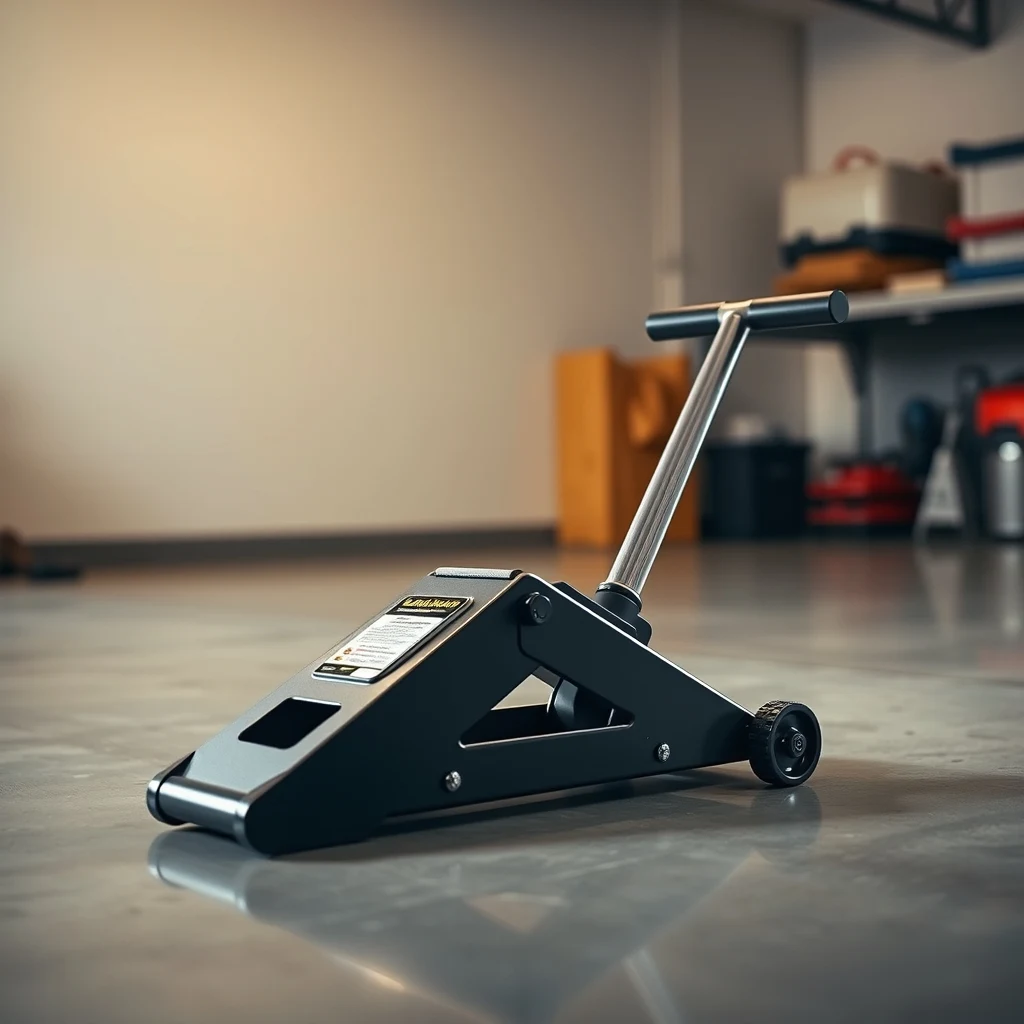
 Floor jack — low profile
Minimum saddle heights typically 2.5–3.5 in. Essential for sports cars, performance sedans, or anything with an aftermarket suspension drop. Look for quick-lift pump mechanisms.
Hydraulic floor jack
Standard-height models for trucks, SUVs, and stock-height cars. Larger saddle pads, higher lift range (typically up to 20–24 in.), more stable base. Steel construction common at this size.
Floor jack — low profile
Minimum saddle heights typically 2.5–3.5 in. Essential for sports cars, performance sedans, or anything with an aftermarket suspension drop. Look for quick-lift pump mechanisms.
Hydraulic floor jack
Standard-height models for trucks, SUVs, and stock-height cars. Larger saddle pads, higher lift range (typically up to 20–24 in.), more stable base. Steel construction common at this size.
 Jack stands
Never work under a vehicle supported only by a hydraulic jack. Ratchet-style stands hold position mechanically; pin-style are simpler. Match tonnage rating to your vehicle's heaviest axle load.
Jack stands
Never work under a vehicle supported only by a hydraulic jack. Ratchet-style stands hold position mechanically; pin-style are simpler. Match tonnage rating to your vehicle's heaviest axle load.
 Aluminum floor jack
Typically 30–50% lighter than steel equivalents — meaningful if you transport your jack to track days or mobile service. Trade-off is usually cost; aluminum jacks carry a price premium.
Aluminum floor jack
Typically 30–50% lighter than steel equivalents — meaningful if you transport your jack to track days or mobile service. Trade-off is usually cost; aluminum jacks carry a price premium.
 3-ton floor jack
The practical sweet spot for most home garages — handles full-size trucks and SUVs at one-axle load while staying manageable in size. Most 3-ton models lift to 20+ in.
3-ton floor jack
The practical sweet spot for most home garages — handles full-size trucks and SUVs at one-axle load while staying manageable in size. Most 3-ton models lift to 20+ in.