Guides
Grain capacity math, salt-based vs salt-free chemistry, regeneration cycle types, and install requirements. No sales pitch.
Why this page exists
Water softener marketing obscures the basic sizing math behind model names and vague capacity claims. A "48,000 grain" label on a box doesn't tell you whether it fits your hardness level and household.
The sizing formula is simple arithmetic. Knowing your hardness (available from your municipal water report or a $10 test strip) and your household's daily usage lets you calculate exactly what grain capacity you need. This page makes that calculation clear.
Water softeners worth searching on eBay
Whole-house systems, salt-free conditioners, high-capacity models, and replacement resin. We earn a small commission on qualifying sales; your price is unchanged. Full disclosure.
 Water Softener System
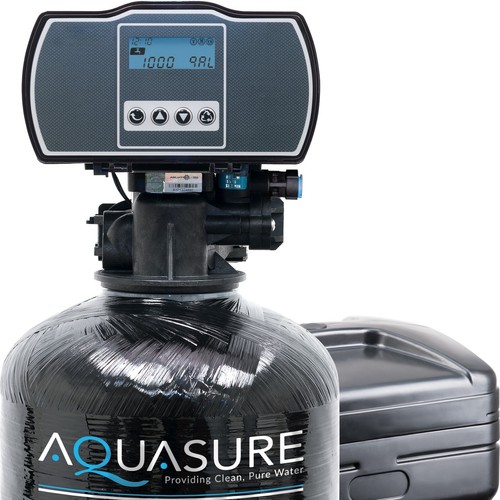
Salt-based ion exchange system — the gold standard for true softening. Requires brine tank, drain connection, and electricity for the control valve. Verify grain capacity against your hardness and usage.
View on eBay →
Water Softener System
Salt-based ion exchange system — the gold standard for true softening. Requires brine tank, drain connection, and electricity for the control valve. Verify grain capacity against your hardness and usage.
View on eBay →
 Whole House Water Softener
Installed at the main water entry point to treat all water before it reaches fixtures, water heater, and appliances. Protects pipes, reduces scale buildup, extends appliance lifespan.
View on eBay →
Whole House Water Softener
Installed at the main water entry point to treat all water before it reaches fixtures, water heater, and appliances. Protects pipes, reduces scale buildup, extends appliance lifespan.
View on eBay →
 Salt-Free Water Softener
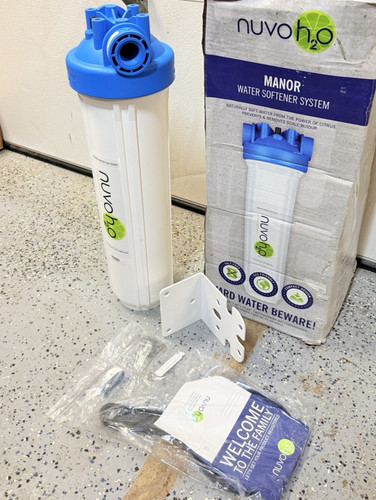
Template-assisted crystallization (TAC) conditioners — minerals remain but don't adhere to surfaces. No salt, no brine tank, no drain needed. Less effective in very high hardness (17+ GPG).
View on eBay →
Salt-Free Water Softener
Template-assisted crystallization (TAC) conditioners — minerals remain but don't adhere to surfaces. No salt, no brine tank, no drain needed. Less effective in very high hardness (17+ GPG).
View on eBay →
 Water Softener 40,000 Grain
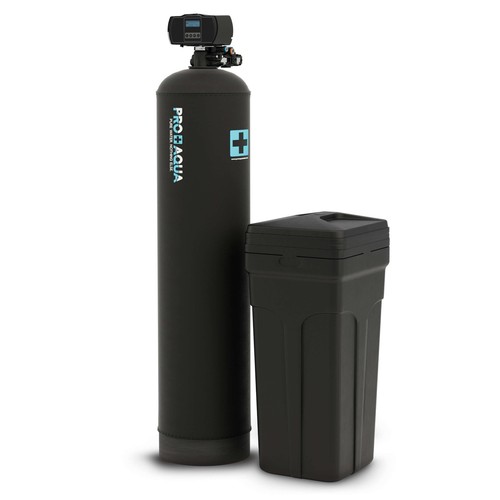
Appropriate for a 3–4 person household at moderate hardness (10–15 GPG) on a 7-day regeneration cycle. Verify with the sizing formula before assuming this capacity fits your situation.
View on eBay →
Water Softener 40,000 Grain
Appropriate for a 3–4 person household at moderate hardness (10–15 GPG) on a 7-day regeneration cycle. Verify with the sizing formula before assuming this capacity fits your situation.
View on eBay →
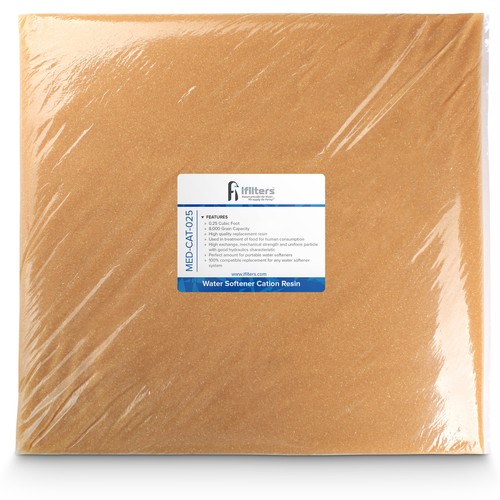 Water Softener Resin
Replacement resin beads for existing softener tanks. Resin typically lasts 10–15 years with proper salt type and regeneration — chlorinated water degrades resin faster. Fine-mesh resin needed if treating iron.
View on eBay →
Water Softener Resin
Replacement resin beads for existing softener tanks. Resin typically lasts 10–15 years with proper salt type and regeneration — chlorinated water degrades resin faster. Fine-mesh resin needed if treating iron.
View on eBay →