Guides
Technical tube amp content — serial dating, circuit differences, what to check before buying. No dealer spin.
Why this page exists
Vintage amp content online tends to be forum threads that conflate opinion with fact, or dealer pages trying to move inventory. Neither tells you how to actually verify what you're looking at.
The difference between a 1965 Fender blackface Twin Reverb and a 1968 silverface version is real and measurable — different transformers, different circuit topology, different resale trajectory. This page explains the markers you can verify without owning a soldering iron.
Plain note about money. Links below go to eBay searches with an affiliate tag. If you buy through one, a small commission comes to this site. Your price is identical either way. The searches are ones we'd actually run — not sponsored placements.
Vintage tube amps worth searching on eBay
Sought-after vintage amps with established collector markets. We earn a small commission on qualifying sales; your price is unchanged. Full disclosure.
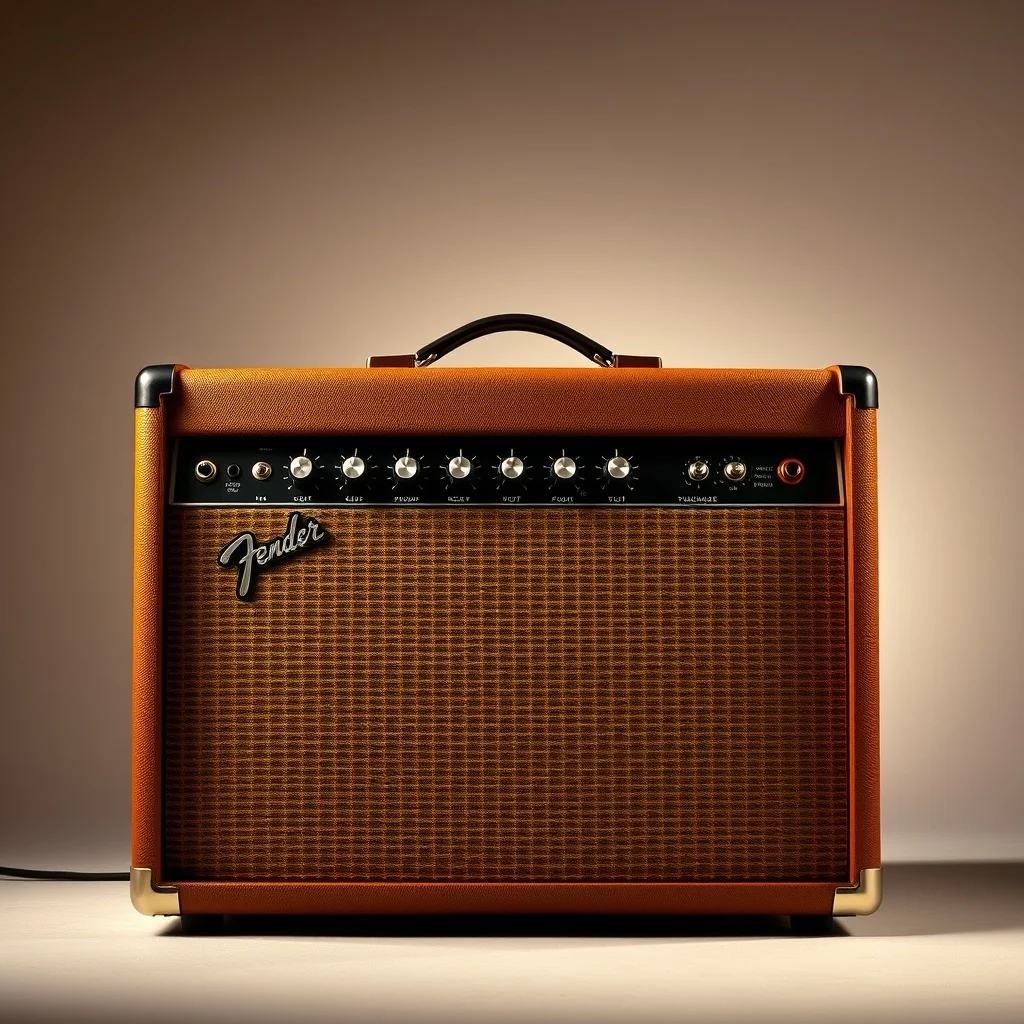
 Fender Twin Reverb vintage
The flagship Fender clean platform. Blackface (pre-1968) and silverface variants trade at a premium over later reissues. Key specs: output transformer codes, date-coded tubes, original Jensen or JBL speakers.
Fender Twin Reverb vintage
The flagship Fender clean platform. Blackface (pre-1968) and silverface variants trade at a premium over later reissues. Key specs: output transformer codes, date-coded tubes, original Jensen or JBL speakers.
 Vox AC30 vintage
30W EL84 British class-A tone. Early-60s JMI-era examples with Top Boost are the benchmark. Speaker complement (Celestion blue alnico vs later varieties) dramatically affects both sound and value.
Vox AC30 vintage
30W EL84 British class-A tone. Early-60s JMI-era examples with Top Boost are the benchmark. Speaker complement (Celestion blue alnico vs later varieties) dramatically affects both sound and value.
 Marshall JCM800
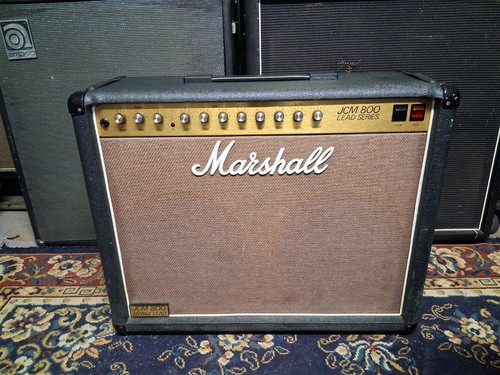
The definitive 80s high-gain platform. Single-channel 2203/2204 vs dual-channel 2205/2210 are different circuits with different markets. UK-built units (typically pre-1990) command a premium over later Indian-market builds.
Marshall JCM800
The definitive 80s high-gain platform. Single-channel 2203/2204 vs dual-channel 2205/2210 are different circuits with different markets. UK-built units (typically pre-1990) command a premium over later Indian-market builds.
 Mesa Boogie Mark vintage
Mark I through Mark IV span very different circuits. The early Mark I (modified Fender Princeton circuit) and Mark IIC+ are the most collected; IIC+ in particular commands well above retail for used units when original.
Mesa Boogie Mark vintage
Mark I through Mark IV span very different circuits. The early Mark I (modified Fender Princeton circuit) and Mark IIC+ are the most collected; IIC+ in particular commands well above retail for used units when original.
 Ampeg SVT vintage
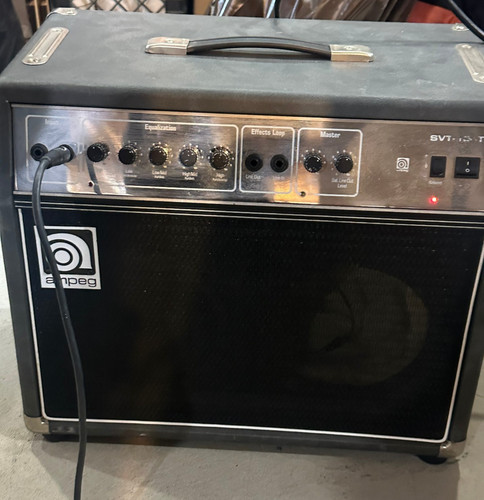
300W all-tube bass head, the industry standard for large-venue bass amplification. Early blue-line (1969–1971) and late-70s US-built units are most collected. Verify the 6550 tube complement and original output transformer.
Ampeg SVT vintage
300W all-tube bass head, the industry standard for large-venue bass amplification. Early blue-line (1969–1971) and late-70s US-built units are most collected. Verify the 6550 tube complement and original output transformer.