Guides
String trimmer buying guidance grounded in specs — power source trade-offs, line gauge by use case, shaft type, and attachment systems.
Why this page exists
String trimmer content tends to split between consumer reviews that skip the specs and professional landscaper forums that assume you're running commercial equipment daily. Neither is useful for someone choosing between a cordless platform and a gas trimmer for a half-acre residential lot.
Line gauge, shaft type, and attachment compatibility are the specs that determine whether a trimmer fits your actual work — and they're consistently underexplained. This page covers them without the marketing language.
String trimmers worth searching on eBay
Gas, battery, and corded options plus replacement line. We earn a small commission on qualifying sales; your price is unchanged. Full disclosure.
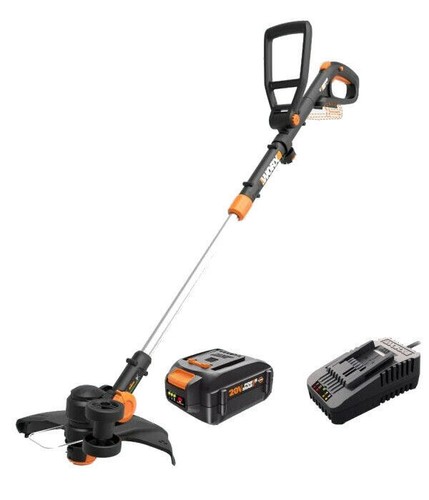 Cordless string trimmer
40V–80V battery platforms cover most residential yards. Lower noise and no fuel mixing. Run time varies significantly by battery capacity (Ah) and vegetation thickness.
Cordless string trimmer
40V–80V battery platforms cover most residential yards. Lower noise and no fuel mixing. Run time varies significantly by battery capacity (Ah) and vegetation thickness.
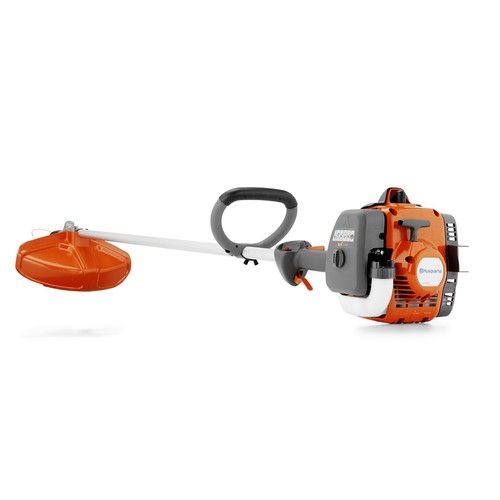 Gas string trimmer
Unlimited run time, maximum torque for thick brush. Two-stroke engines require premixed fuel. Best for large properties or heavy vegetation where battery run time is a real constraint.
Gas string trimmer
Unlimited run time, maximum torque for thick brush. Two-stroke engines require premixed fuel. Best for large properties or heavy vegetation where battery run time is a real constraint.
 Trimmer line 0.095"
Mid-gauge line for general residential trimming. Heavier than 0.065" (which suits only fine grass), lighter than 0.105"+ (heavy brush). Cross-section shape (round vs star) affects cut aggressiveness.
Trimmer line 0.095"
Mid-gauge line for general residential trimming. Heavier than 0.065" (which suits only fine grass), lighter than 0.105"+ (heavy brush). Cross-section shape (round vs star) affects cut aggressiveness.
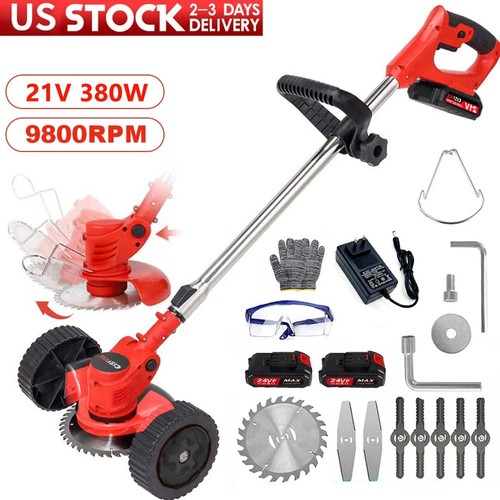 Battery weed eater
The same class as cordless trimmers — useful search term for brand-agnostic comparison shopping. Look for models within an existing battery platform you already own.
Battery weed eater
The same class as cordless trimmers — useful search term for brand-agnostic comparison shopping. Look for models within an existing battery platform you already own.
 Straight shaft trimmer
Longer reach under decks and fences; required for most attachment systems. The professional default. Curved shaft models are lighter and more maneuverable, but attachment-incompatible.
Straight shaft trimmer
Longer reach under decks and fences; required for most attachment systems. The professional default. Curved shaft models are lighter and more maneuverable, but attachment-incompatible.