Guides
Buying guides for robot vacuums — mapping technology, suction specs, mop combo units, and the honest case for and against self-empty docks.
Why this page exists
Robot vacuum marketing focuses on suction numbers (higher = better) and feature lists (multi-floor mapping, AI obstacle avoidance, automatic cleaning). These specs are real, but the gaps between what is advertised and what performs well in an actual home are wide.
A 4,000 Pa unit on low-pile carpet cleans identically to a 2,500 Pa unit — the difference matters on thick carpet, not hard floors. Understanding which specs translate to your specific floors and household conditions determines whether a $200 unit works as well as a $600 one for your situation.
Robot vacuums worth searching on eBay
Units across navigation technology classes and use cases. We earn a small commission on qualifying sales; your price is unchanged. Full disclosure.
 Robot Vacuum
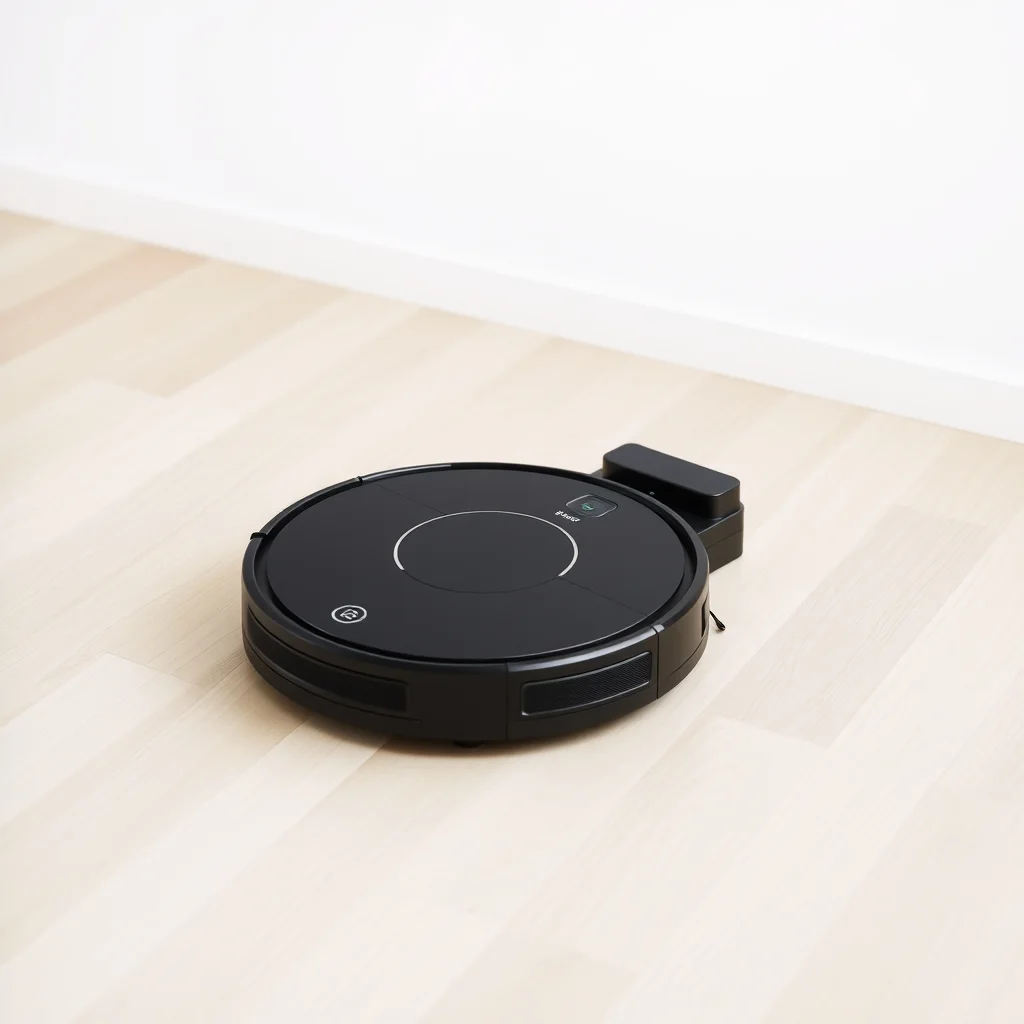
Entry through mid-range robot vacuums. Gyro or camera-based navigation handles most open floor plans reliably at a fraction of the cost of lidar units.
Robot Vacuum
Entry through mid-range robot vacuums. Gyro or camera-based navigation handles most open floor plans reliably at a fraction of the cost of lidar units.
 Robot Vacuum Self-Empty
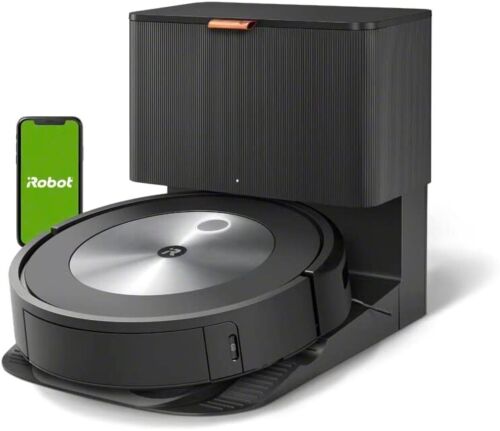
Auto-empty base station holds 30–60 days of debris. Eliminates daily emptying of the robot's onboard dustbin. Worth the premium for pet hair households or anyone allergic to dust.
Robot Vacuum Self-Empty
Auto-empty base station holds 30–60 days of debris. Eliminates daily emptying of the robot's onboard dustbin. Worth the premium for pet hair households or anyone allergic to dust.
 Robot Vacuum and Mop Combo
Combined vacuum and mop units for hard floors. Mop performance varies significantly — vibrating mopping pads clean better than passive drag. Look for auto-lift mop heads if you have mixed floors.
Robot Vacuum and Mop Combo
Combined vacuum and mop units for hard floors. Mop performance varies significantly — vibrating mopping pads clean better than passive drag. Look for auto-lift mop heads if you have mixed floors.
 Lidar Robot Vacuum
LiDAR-based mapping (rotating laser sensor) creates accurate floor plans, enables room labeling, and handles complex layouts with fewer stuck incidents than camera-only navigation.
Lidar Robot Vacuum
LiDAR-based mapping (rotating laser sensor) creates accurate floor plans, enables room labeling, and handles complex layouts with fewer stuck incidents than camera-only navigation.
 Robot Vacuum for Pet Hair
Pet hair households need tangle-resistant brush rolls and higher suction (2,000 Pa minimum on carpet). Self-empty is particularly valuable here — pet hair fills the dustbin quickly.
Robot Vacuum for Pet Hair
Pet hair households need tangle-resistant brush rolls and higher suction (2,000 Pa minimum on carpet). Self-empty is particularly valuable here — pet hair fills the dustbin quickly.