Guides
Technical buying guides for reverse osmosis systems. Stages, flow rates, installation, and hidden trade-offs.
Troubleshooting
Why your RO faucet is slow — it's usually the tank, not the membrane
The most common — and most misdiagnosed — RO complaint. Your faucet is fed by a pressurized storage tank, not the membrane, so a weak or quickly-dying stream is almost always a lost air charge you can fix for free with a bike pump. How to tell a tank problem from a real supply problem before you waste money on filters.
Buying guide
How to choose a reverse osmosis system: stages, tank vs tankless, and flow
NSF 58 certification, GPD flow rate math, wastewater ratio, remineralization stage, under-sink vs countertop footprint — the specs that determine whether an RO system fits your kitchen and your needs.
Why this page exists
RO system reviews online are dominated by affiliate posts that rank systems without explaining the specs — or manufacturer pages with no competitive context. Neither explains the tank vs tankless trade-off, or why GPD rating and water pressure interact in ways that surprise buyers.
A 75 GPD system and a 400 GPD tankless system both filter water, but their real-world behavior, installation requirements, and ongoing costs are completely different. This page explains what matters before you buy.
Plain note about money. Links below go to eBay searches with an affiliate tag. If you buy through one, a small commission comes to this site. Your price is identical either way.
Reverse osmosis systems worth searching on eBay
Under-sink, countertop, and tankless RO systems. We earn a small commission on qualifying sales; your price is unchanged. Full disclosure.
 Reverse osmosis system
Standard under-sink RO. Look for NSF 58 certification, GPD rating, and stage count. Most household systems run 3–5 stages.
Reverse osmosis system
Standard under-sink RO. Look for NSF 58 certification, GPD rating, and stage count. Most household systems run 3–5 stages.
 Under-sink reverse osmosis
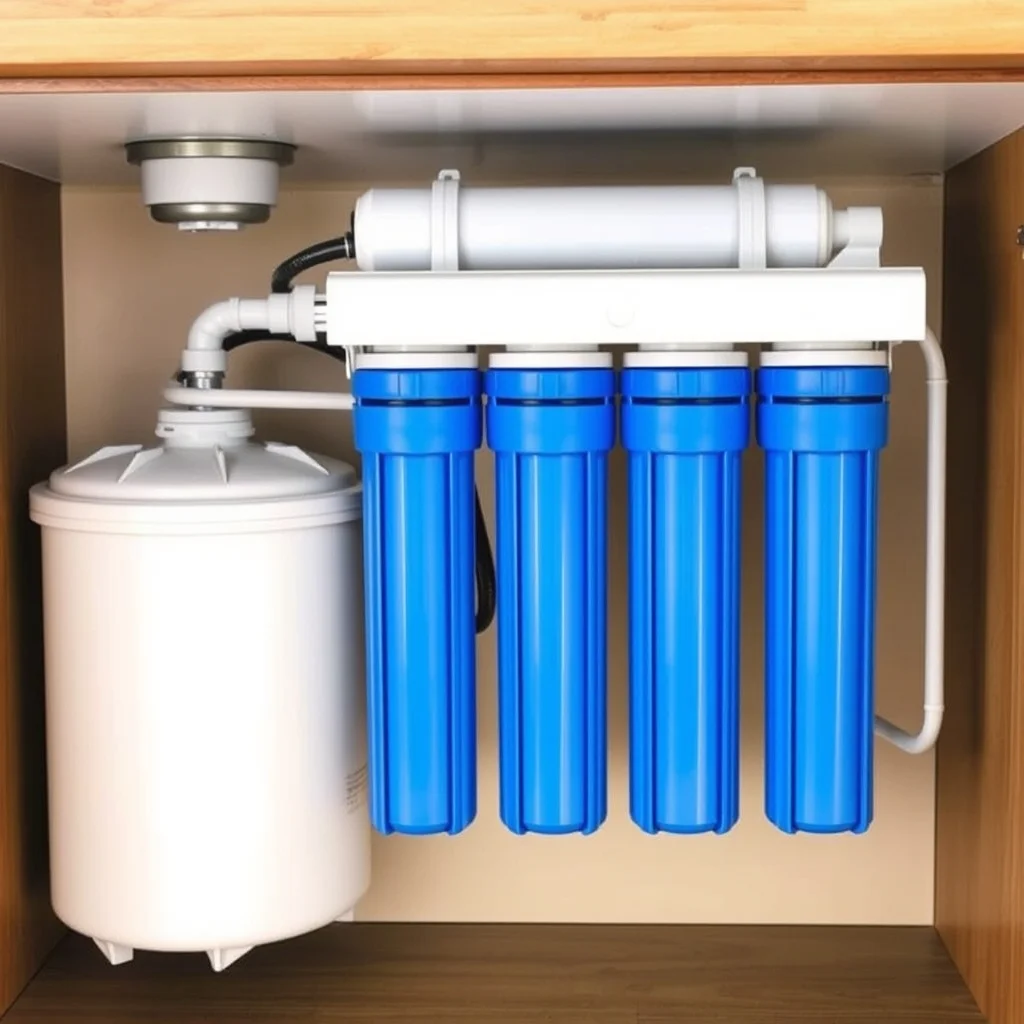
Mounts in the cabinet below the sink. Requires a dedicated faucet hole or an air-gap faucet. Measure your cabinet depth — tank models need 14–20 inches of clearance.
Under-sink reverse osmosis
Mounts in the cabinet below the sink. Requires a dedicated faucet hole or an air-gap faucet. Measure your cabinet depth — tank models need 14–20 inches of clearance.
 Tankless reverse osmosis
No storage tank — filters on demand at high flow rates (typically 400+ GPD). Requires a minimum water pressure (usually 40 psi). Smaller footprint but typically costs more upfront.
Tankless reverse osmosis
No storage tank — filters on demand at high flow rates (typically 400+ GPD). Requires a minimum water pressure (usually 40 psi). Smaller footprint but typically costs more upfront.
 Countertop reverse osmosis
Connects to the faucet without permanent installation. Good for renters. Typically lower flow rate than under-sink models; some include an integrated tank.
Countertop reverse osmosis
Connects to the faucet without permanent installation. Good for renters. Typically lower flow rate than under-sink models; some include an integrated tank.
 5-stage RO system
Sediment → carbon block → RO membrane → polishing carbon → (sometimes remineralization). The most common configuration for household use. Verify which stages are included.
5-stage RO system
Sediment → carbon block → RO membrane → polishing carbon → (sometimes remineralization). The most common configuration for household use. Verify which stages are included.