Guides
Practical reptile terrarium content — enclosure sizing, heating equipment, UVB selection, and substrate. Species-specific where it matters.
Why this page exists
Reptile setups are sold with marketing copy that rarely explains the physics. A basking spot at 105°F and an ambient temperature of 75°F are not the same number — and the difference is what lets an ectotherm regulate its own body temperature.
Most beginner reptile deaths come from setups that look correct but run too cold, lack UVB, or have inadequate hides that force the animal into constant stress. The information to avoid those outcomes is available — it's just scattered and often buried under product recommendations.
Reptile keeping gear worth searching on eBay
Terrariums, heat lamps, UVB fixtures, thermostats, and enclosures for reptile keepers. We earn a small commission on qualifying sales; your price is unchanged. Full disclosure.
 Reptile terrarium kit
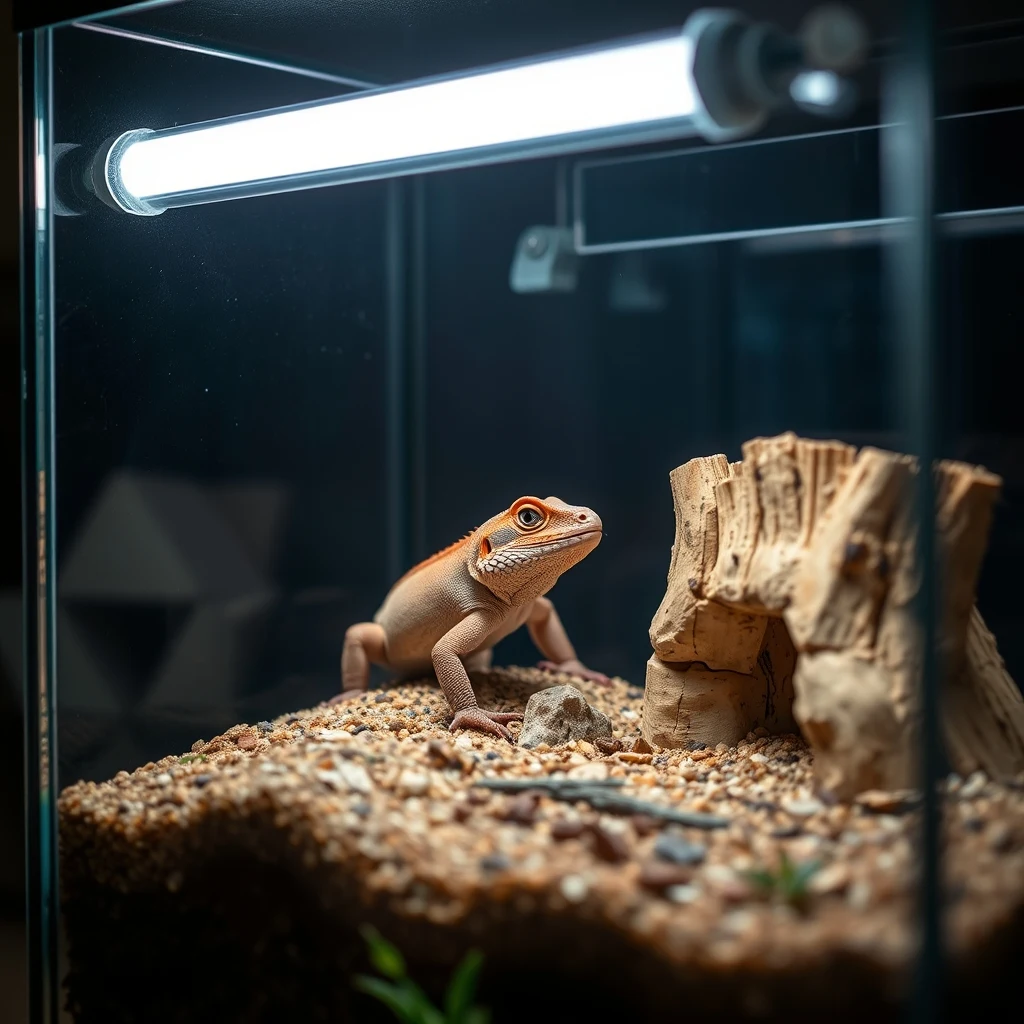
Glass enclosures with front-opening doors and screen tops. Front access is far easier for handling-shy species. Screen tops allow UVB and heat fixture mounting.
Reptile terrarium kit
Glass enclosures with front-opening doors and screen tops. Front access is far easier for handling-shy species. Screen tops allow UVB and heat fixture mounting.
 Reptile heat lamp
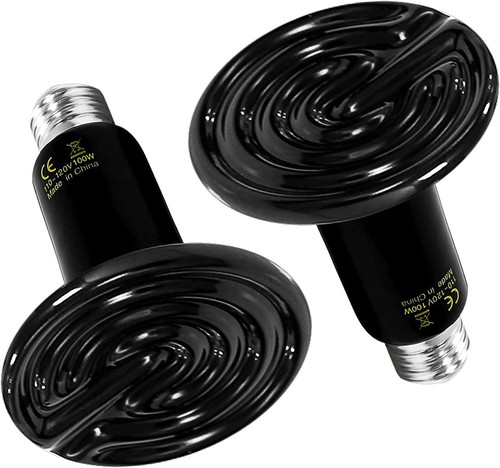
Basking bulbs for the warm end of the heat gradient. Wattage determines basking spot temperature — use a dimmer thermostat or adjust lamp distance to dial in precise temperatures.
Reptile heat lamp
Basking bulbs for the warm end of the heat gradient. Wattage determines basking spot temperature — use a dimmer thermostat or adjust lamp distance to dial in precise temperatures.
 UVB reptile light
Linear T5HO or T8 UVB tubes for D3 synthesis. UVI (UV Index) output matters more than the percentage on the label. Replace every 6–12 months even if the light still glows.
UVB reptile light
Linear T5HO or T8 UVB tubes for D3 synthesis. UVI (UV Index) output matters more than the percentage on the label. Replace every 6–12 months even if the light still glows.
 Reptile thermostat
On/off, dimming, and pulse-proportional types for different heat sources. Dimming thermostats for basking bulbs; pulse thermostats for CHE and radiant heat panels. Prevents dangerous overheating.
Reptile thermostat
On/off, dimming, and pulse-proportional types for different heat sources. Dimming thermostats for basking bulbs; pulse thermostats for CHE and radiant heat panels. Prevents dangerous overheating.
 Reptile enclosure
PVC and ABS panel enclosures retain heat better than glass. Good for larger snakes and tortoises. Check ventilation: front-bottom and top vents create the best air circulation pattern.
Reptile enclosure
PVC and ABS panel enclosures retain heat better than glass. Good for larger snakes and tortoises. Check ventilation: front-bottom and top vents create the best air circulation pattern.