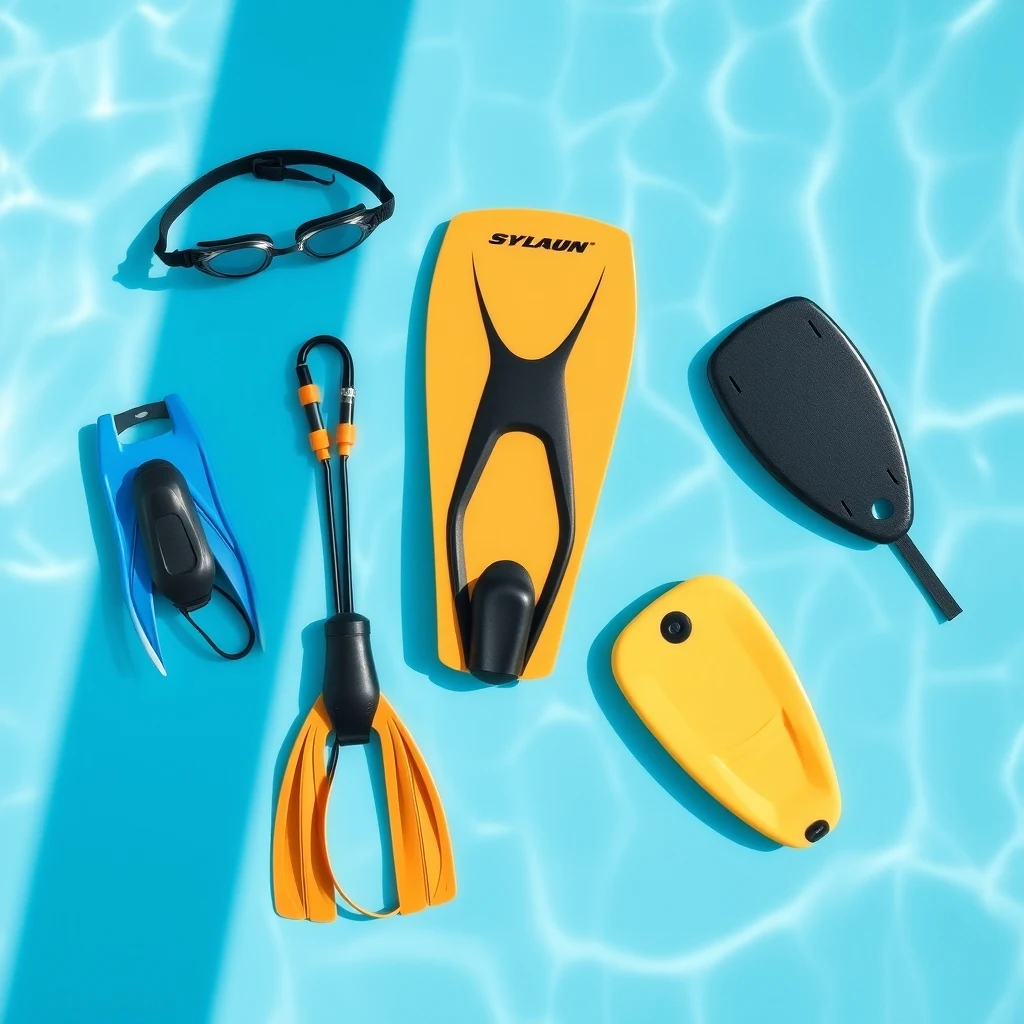
Guides
Practical swim training gear content — what each tool does, how to choose it, and common mistakes. No brand cheerleading.
Why this page exists
Swim gear buying guides online tend to be sponsored listicles or brief "what is a pull buoy" explainers. Neither tells you why a stiffer fin is appropriate for ankle flexibility work but wrong for long-set kicking, or how to size hand paddles to avoid shoulder stress.
Good swim training gear makes isolated drill work more effective and reduces injury risk when used correctly. The technical details — blade angle, fin length vs stiffness, goggle gasket compression — are what drive the buying decision for serious swimmers.
Swimming training gear worth searching on eBay
Fins, paddles, goggles, and training tools for pool swimmers. We earn a small commission on qualifying sales; your price is unchanged. Full disclosure.
 Swim training fins
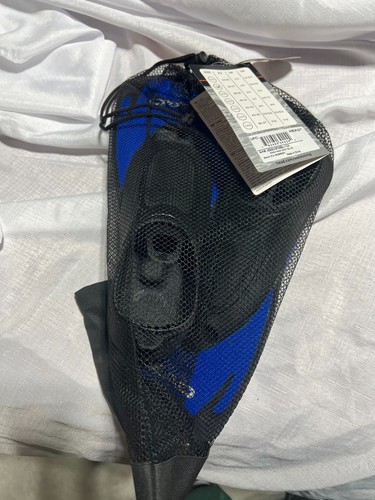
Short blade fins for pool training. Shorter = more ankle flexibility demand; longer = more propulsion. Most training fins fall between 10–16" blade length. Choose stiffness based on your ankle flexibility goals.
Swim training fins
Short blade fins for pool training. Shorter = more ankle flexibility demand; longer = more propulsion. Most training fins fall between 10–16" blade length. Choose stiffness based on your ankle flexibility goals.
 Swim hand paddles
Flat or contoured paddles for pull resistance training. Start one size down from what feels intuitive — oversized paddles are a common cause of shoulder impingement in swimmers.
Swim hand paddles
Flat or contoured paddles for pull resistance training. Start one size down from what feels intuitive — oversized paddles are a common cause of shoulder impingement in swimmers.
 Swimming goggles
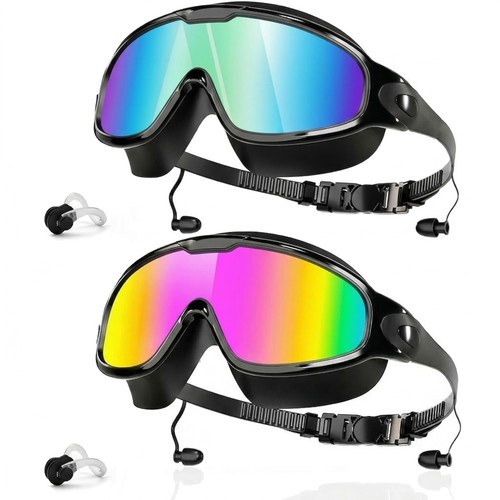
Low-profile racing or training goggles. Fit test: press goggles to your face without the strap — they should suction-cup briefly without leaking. Anti-fog coating degrades over time; store dry.
Swimming goggles
Low-profile racing or training goggles. Fit test: press goggles to your face without the strap — they should suction-cup briefly without leaking. Anti-fog coating degrades over time; store dry.
 Pull buoy
Foam float gripped between thighs to isolate upper body pull. Standard figure-8 shape fits most adults. Some swimmers prefer narrower buoys to develop hip rotation without over-relying on the float.
Pull buoy
Foam float gripped between thighs to isolate upper body pull. Standard figure-8 shape fits most adults. Some swimmers prefer narrower buoys to develop hip rotation without over-relying on the float.
 Swim kickboard
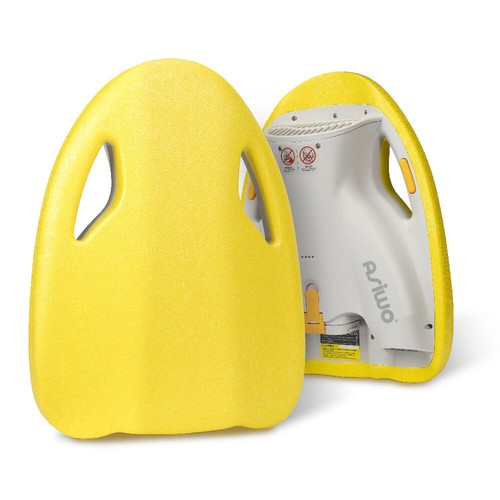
Buoyant board for kick-isolated sets. Standard rectangular boards for most training; contoured cutout boards allow lower arm position to reduce shoulder strain during long kick sets.
Swim kickboard
Buoyant board for kick-isolated sets. Standard rectangular boards for most training; contoured cutout boards allow lower arm position to reduce shoulder strain during long kick sets.