Guides
Practical drip irrigation guides — component selection, layout, and the specs that determine system reliability.
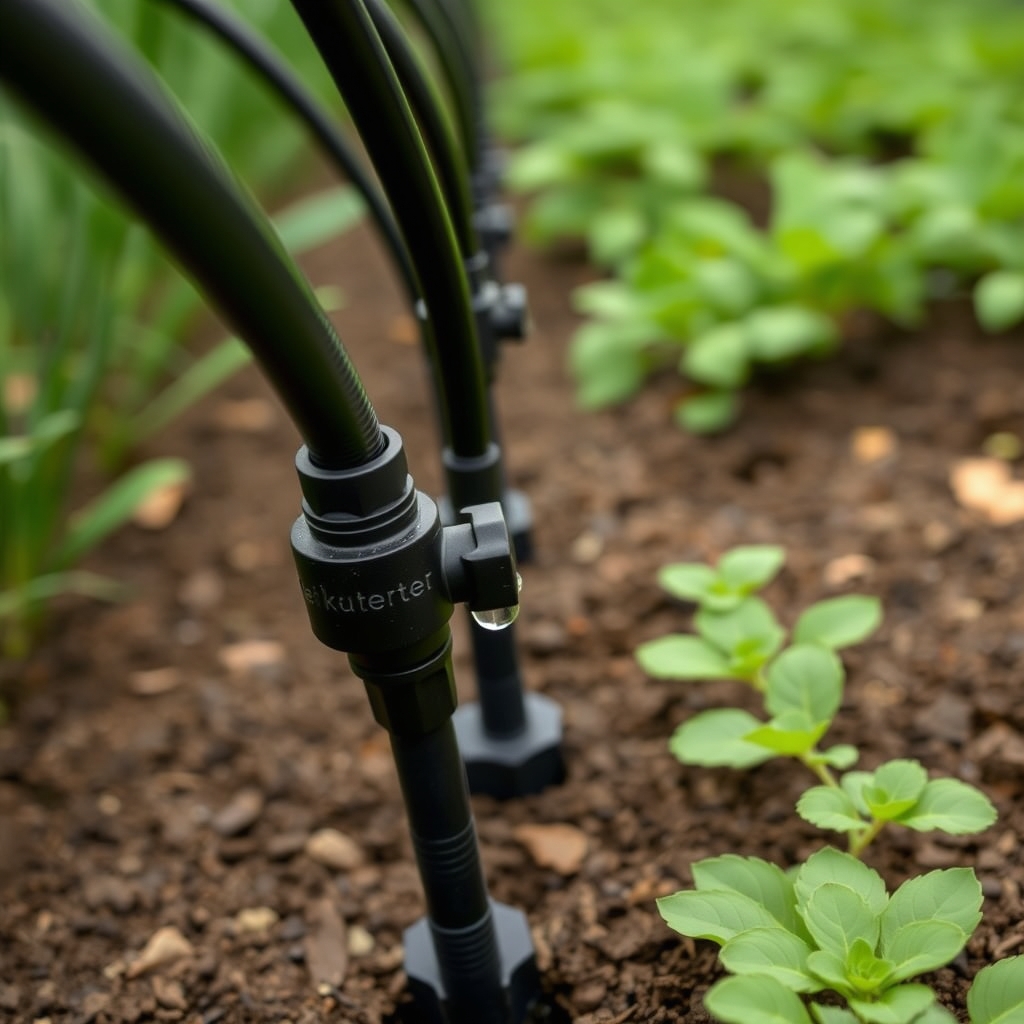
GuideDrip irrigation fails at the emitter, not the pumpPeople design a drip system around the big stuff — timers, pressure, tubing — then watch plants die in patches and blame the system. The failure is almost al…
Buying guide
How to set up drip irrigation: tubing, emitters, pressure, and timers
1/2 vs 1/4 inch tubing roles, emitter flow rates by crop type, why pressure regulation matters, filter choice, and timer features worth paying for.
Why this page exists
Drip irrigation kits are marketed as plug-and-play, but most systems that get installed and then abandoned failed for the same reasons: wrong pressure, emitters clogged by unfiltered sediment, or tubing laid out in a way that doesn't match the crops. The component choices matter more than the brand.
This page covers the parts of a drip system, what the specs mean, and how to match them to your setup — whether you're watering a 4×8 raised bed or a full vegetable garden.
Plain note about money. Links below go to eBay searches with an affiliate tag. If you buy through one, a small commission comes to this site. Your price is identical either way.
Drip irrigation components worth searching on eBay
Kits, tubing, emitters, timers, and pressure regulators. We earn a small commission on qualifying sales; your price is unchanged. Full disclosure.
 Drip irrigation kit
Complete kits with 1/2 inch main line, 1/4 inch distribution tubing, emitters, stakes, and connectors. Good starting point; verify the kit includes a pressure regulator or plan to add one.
Drip irrigation kit
Complete kits with 1/2 inch main line, 1/4 inch distribution tubing, emitters, stakes, and connectors. Good starting point; verify the kit includes a pressure regulator or plan to add one.
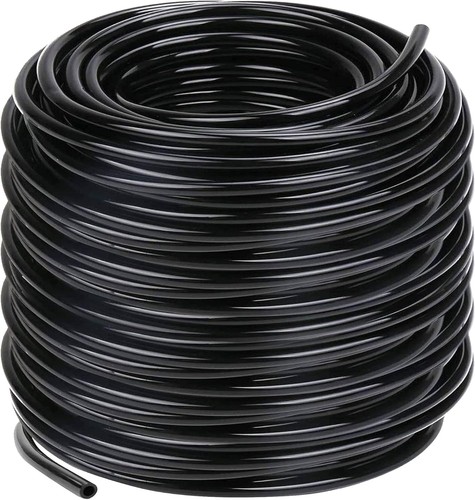 Drip tubing 1/4 inch
Distribution tubing that runs from the main 1/2 inch line to individual emitters. Black polyethylene; sold in 50- and 100-foot rolls. Maximum run length typically 15–20 feet before pressure drops affect distribution.
Drip tubing 1/4 inch
Distribution tubing that runs from the main 1/2 inch line to individual emitters. Black polyethylene; sold in 50- and 100-foot rolls. Maximum run length typically 15–20 feet before pressure drops affect distribution.
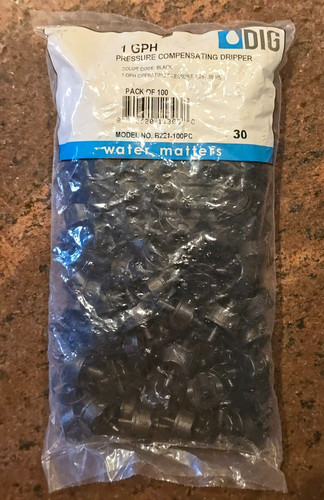 Drip emitters
Flow rates in GPH (gallons per hour): 0.5 GPH for small containers, 1–2 GPH for most vegetables, 2 GPH for larger shrubs. Pressure-compensating emitters maintain consistent flow even at varying pressure.
Drip emitters
Flow rates in GPH (gallons per hour): 0.5 GPH for small containers, 1–2 GPH for most vegetables, 2 GPH for larger shrubs. Pressure-compensating emitters maintain consistent flow even at varying pressure.
 Garden hose timer
Connects between the hose bib and drip system. Digital timers with multiple daily programs, rain delay, and LCD display outperform simple dial versions. Bluetooth models enable app scheduling.
Garden hose timer
Connects between the hose bib and drip system. Digital timers with multiple daily programs, rain delay, and LCD display outperform simple dial versions. Bluetooth models enable app scheduling.
 Pressure regulator drip
Reduces household water pressure (typically 50–80 PSI) to the 15–25 PSI drip systems require. Without one, excess pressure blows emitters off tubing and causes uneven distribution.
Pressure regulator drip
Reduces household water pressure (typically 50–80 PSI) to the 15–25 PSI drip systems require. Without one, excess pressure blows emitters off tubing and causes uneven distribution.