

Pick your path
Candle making isn't one craft — it's four. Wax type, format, and target buyer all shape what equipment, pricing, and channels actually work. Picking the right path early saves months.
Soy Container Candles
The standard. Most candles sold today. Soy wax in glass jars with cotton wicks — the entry point that scales from hobby to wholesale.
Beeswax Candles
Premium positioning, naturally fragrant, pillar and taper formats. The artisan tier with the highest per-unit pricing and the narrowest competitive field.
Wax Melts
No wick, no flame, no fire risk. 70% margins. The product category that subsidizes the rest of the catalog for many candle businesses.
Wholesale Candle Business
Boutiques, hotel amenity, subscription boxes, wedding favors at scale. The path from kitchen-table hobby to $50k-$200k revenue.
Working calculators
Wax per Vessel CalculatorCalculate wax weight needed for your vessel size, batch quantity, and fragrance load. Wick Size by Jar DiameterRight wick series for your vessel diameter and wax type, with fragrance-load adjustments.Strategy & business articles
Pricing candles honestly: why $12 jars don't pay the billsThe cost-plus math, the perceived-value pricing model, and the price ladder that gets buyers to $24-38 per candle without losing them. Wax type economics: soy vs paraffin vs coconut vs beeswaxThe real per-pound cost, the perception differences customers actually pay for, and the wax that turns each candle category into a profitable business. Hot throw, cold throw, and the fragrance-load math nobody explains8% vs 10% vs 12% fragrance load. What changes. When customers can tell the difference. The cost math on every percentage point. Etsy vs Faire vs direct vs wholesale: the honest candle channel mixEtsy converts but takes 15%. Faire opens wholesale but takes 25%. Direct keeps 100% but needs marketing. The breakdown for candle businesses by stage. The wedding favor business: where small candle makers scale fast100-300 unit orders. $4-7 per unit. Per-order revenue of $400-2,000. The wedding-favor channel that quietly produces 30-90% of revenue for many candle businesses. Candle labels, ASTM warnings, and Prop 65: the compliance basicsLead-free wicks (the actual requirement), required warning labels, ASTM F2417 testing, Prop 65 for California sales. What every candle seller needs on the label.Strategic conversations for candle-business operators
Frameworks for candle makers running real businesses — pricing, wax economics, fragrance load, channel mix, wholesale onboarding, scaling decisions. Reach out on LinkedIn if a conversation makes sense.
Guides
Gear actually worth buying
Smart eBay searches we'd start with ourselves. We earn a small commission on qualifying sales through these links; the price you pay is the same whether you use them or go direct to eBay. Full disclosure.
 Soy wax flakes (10 lb)Soy holds fragrance well, has a lower melt point, and cleans up with soap and water. Start with 100% soy before blending.
 Fragrance oil sampler setTesting 10-12 scents before committing to a large pour saves waste. Most sampler sets cover the main fragrance families.
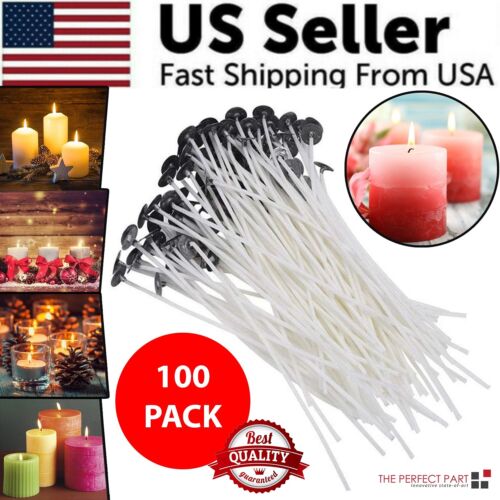 Pre-tabbed cotton wicks (assortment)Wick sizing depends on jar diameter. Buy an assortment and do test burns before a full batch.
 Aluminum pouring pitcherA lipped pouring pitcher keeps wax off jar rims and fingers. Aluminum heats and cools faster than stainless.
 Glass jars (8 oz straight-sided)Straight-sided jars are easiest to wick and label. Thick glass handles repeated heat cycles better than thin.