
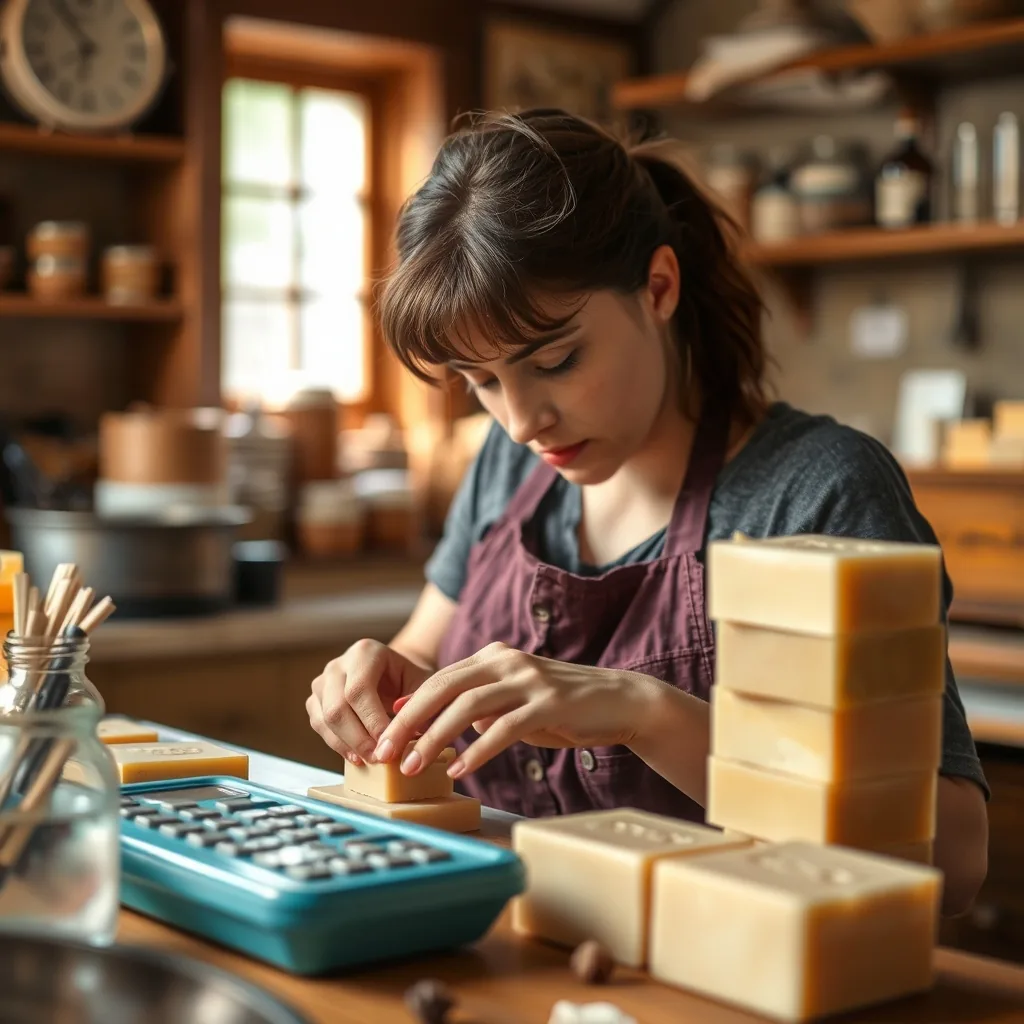
Pick your path
Soap making isn't one craft — it's four. The skills, equipment, and economics differ enough that picking the right path early saves months of expensive experimentation.
Cold Process Soap
The traditional saponification method. Lye + oils + temperature control + 4-6 weeks of cure time. Full control over recipe, scent, and design.
Melt & Pour Soap
Pre-saponified base, no lye handling, fast turnaround. The entry point for most new soap makers and the right answer for many Etsy sellers.
Specialty Bars
Shampoo bars, shaving soap, beard soap, salt bars. Higher per-unit pricing, smaller batch sizes, narrower competition.
Wholesale Soap Business
Selling to boutiques, hotels, gift shops, subscription boxes. The path from hobby to actual income, with the margin math that makes or breaks it.
Working calculators
Lye (NaOH) CalculatorCalculate lye and water for your specific oil profile, with adjustable superfat percentage. Fragrance Load CalculatorMaximum safe fragrance percentage by application and IFRA-compliant load.Guides & Technique Articles
Strategy & business articles
Pricing soap honestly: why $4 bars don't pay the billsThe cost-plus math, the perceived-value pricing model, and the price ladder that gets buyers to $9-14 per bar without losing them. Etsy vs direct vs wholesale: the honest channel mixEtsy fees are 13-15%. Direct site keeps 100%. Wholesale halves the margin but multiplies volume. The honest distribution by sales channel. Batch scaling: from 10 bars to 200 without burning the house downEquipment, kitchen layout, regulatory compliance, lye safety at scale, and the batch sizes where the economics actually break even. Labels, FDA, and cosmetic compliance: the part most sellers get wrongWhen "soap" is soap (no FDA filing) and when it's a "cosmetic" (filing required). INCI labeling, weight requirements, allergen disclosure, the actual law. Photography and marketing soap: the visual reality of selling onlineThe lighting setup that makes soap bars look like the listing photos. The 3-shot product photography formula. Instagram vs TikTok vs Pinterest for soap. Recipe development without the chemistry degreeThe 4-oil base formula that produces consistent, sellable bars. How to test variations without wasting batches. Why most "advanced" recipes are marketing.Strategic conversations for soap-business operators
Frameworks for soap makers running real businesses — pricing, batch economics, channel mix, wholesale onboarding, regulatory compliance, scaling decisions. Reach out on LinkedIn if a conversation makes sense.
Gear actually worth buying
Smart eBay searches we'd start with ourselves. We earn a small commission on qualifying sales through these links, and 90% of it goes to charity (you can pick which); the price you pay is the same whether you use them or go direct to eBay. Full disclosure.
 Silicone loaf soap moldA 9-bar silicone loaf mold is the standard for cold-process. Silicone releases without cutting. Brambleberry and Nurture Soap are the two supply brands most soapmakers use.
 Lye (sodium hydroxide)Sodium hydroxide is required for true cold-process soap. Essential Depot and Brambleberry sell food-grade NaOH. Always add lye to water — never water to lye.
 Cosmetic mica colorantsCosmetic-grade mica powers are skin-safe and don't bleed in cold-process soap. TKB Trading and Mad Micas have consistent color matching between batches.
 Fragrance and essential oilsSoap-safe fragrance oils (from Brambleberry, Wholesale Supplies Plus) are tested not to seize or discolor batter. Plain essential oils can behave unpredictably in cold process.
Stick blender (immersion)Any 200W+ stick blender works for soap — Cuisinart CSB-75 or KitchenAid are common. Soap is caustic; dedicate the blender to soap-making only, don't use it for food.