
Labels, FDA, and cosmetic compliance: the part most sellers get wrong
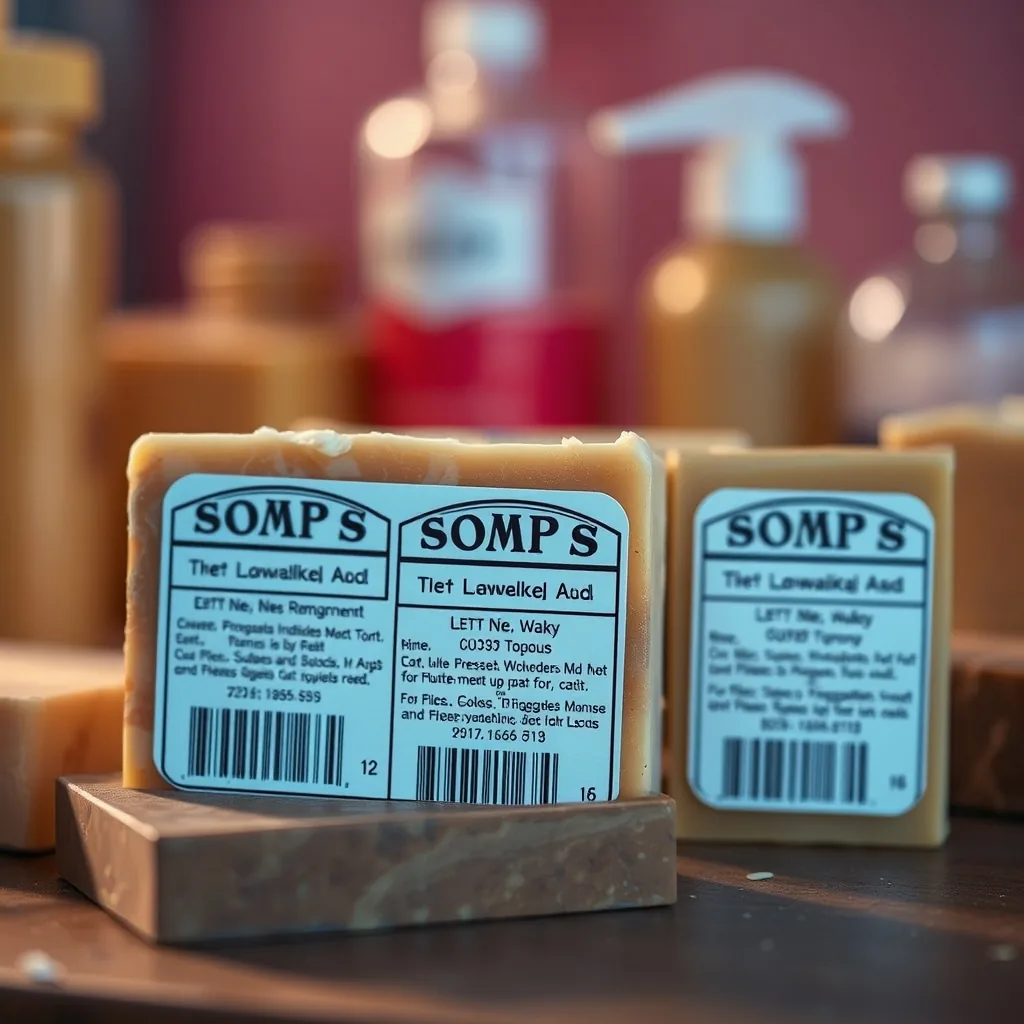
When 'soap' is soap (no FDA filing) and when it's a 'cosmetic' (filing required). INCI labeling, weight requirements, allergen disclosure.

Most artisan soap sellers are technically out of compliance with FDA labeling requirements and don't know it. The penalties are usually minor (warning letter, recall) but they can be substantial (forced product disposal, civil penalties up to $1,000 per offense for serious violations) and they show up unexpectedly when a customer files a complaint.
Here's the honest compliance picture.
The "soap" vs "cosmetic" distinction
The FDA regulates two categories that look identical to consumers but have completely different rules:
- True soap (FDA "soap"). A product whose detergent properties come from the alkali salts of fatty acids (i.e., real saponified soap), and that's labeled and sold ONLY as soap (cleaning the body), not as a cosmetic. Regulated by the Consumer Product Safety Commission, NOT the FDA. Minimal label requirements.
- Cosmetic. A product that includes synthetic detergents or that makes ANY claim beyond cleansing (moisturizing, anti-bacterial, anti-aging, soothing eczema, etc.). Regulated by the FDA under FD&C Act. Detailed label requirements, ingredient disclosure, allergen warnings.
The trap: almost every artisan soap maker labels their products as cosmetics without realizing it. The phrase "moisturizing lavender soap" technically makes a cosmetic claim. So does "rejuvenating tea tree." So does "for sensitive skin." All of these push the product from "soap" into "cosmetic" jurisdiction.
The labeling requirements (if you're a cosmetic)
FDA cosmetic regulation requires labels that include:
- Identity statement. What the product is. ("Lavender Soap" or "Moisturizing Body Cleansing Bar")
- Net weight. In both metric and US units. Must be on the primary panel.
- Manufacturer name and address. Real, working business address. PO boxes are insufficient.
- Ingredient declaration in INCI format. International Nomenclature of Cosmetic Ingredients. Listed in descending order by weight.
- Allergen warnings. 26 specific fragrance allergens must be called out if present above 0.001% (rinse-off products).
- Country of origin if imported.
INCI naming you actually need
| Common name (what customers know) | INCI name (what label requires) |
|---|---|
| Olive oil | Olea Europaea (Olive) Fruit Oil |
| Coconut oil | Cocos Nucifera (Coconut) Oil |
| Castor oil | Ricinus Communis (Castor) Seed Oil |
| Lye (sodium hydroxide) | Sodium Hydroxide |
| Water | Aqua |
| Shea butter | Butyrospermum Parkii (Shea) Butter |
| Lavender essential oil | Lavandula Angustifolia (Lavender) Oil |
| Mica colorants | Mica, CI 77891 (and specific color index numbers) |
For saponified oil INCI labeling, the FDA accepts either:
- "Saponified oils of X, Y, Z" format (older convention)
- "Sodium [oil-derived fatty acid name]" format (Sodium Olivate, Sodium Cocoate, etc.) — more accurate but less recognizable to customers
State cottage food laws
Independent of FDA, most US states have "cottage food" laws that govern what home-produced products can be sold under what conditions. Soap is generally allowed under cottage food in most states, but the threshold for "now you need a real facility" varies dramatically.
| State | Cap on home production sales |
|---|---|
| California | $75,000/year for non-perishable cosmetics (soap qualifies) |
| Texas | No cap on personal-care home production; basic labeling required |
| New York | Requires cosmetic establishment registration above $10k revenue |
| Pennsylvania | $25,000/year cottage food limit (cosmetics included) |
| Delaware | $50,000/year, all sales must occur in-state |
Check your specific state. The Cottage Food Network (cottagefoods.org) has the current state-by-state matrix.
The MoCRA (Modernization of Cosmetics Regulation Act)
MoCRA went into effect December 2022. It increases FDA cosmetic oversight significantly. Most small artisan soap businesses are EXEMPT from MoCRA's most burdensome requirements (annual gross sales under $1 million qualifies for "small business" exemption from facility registration), but the labeling and adverse event reporting requirements apply to all sellers.
What MoCRA changed for small makers:
- Adverse event reporting (serious reactions reported within 15 days)
- Mandatory product listing (annual filing of all products with FDA)
- Allergen disclosure expanded to additional fragrance compounds
- Facility registration requirements (small business exempt under $1M revenue)
The honest compliance check
- Do you describe your bars as "moisturizing," "soothing," "healing," "anti-bacterial," or making ANY skincare claim? If yes, you're a cosmetic seller. INCI labels required.
- Is your label printed on a paper sticker that can be removed? If yes, you may technically be out of compliance — labels must be "firmly affixed" to the immediate container.
- Does your label include net weight in BOTH metric (grams) AND US (oz)? Both are required.
- Is your business address a real address, not a PO box? Real address required.
- For products with fragrance: do you list the specific 26 allergens that are present? Required at 0.001% threshold for rinse-off products like soap.
If any of the above are no, you have a labeling correction project.


