
Batch scaling: from 10 bars to 200 without burning the house down
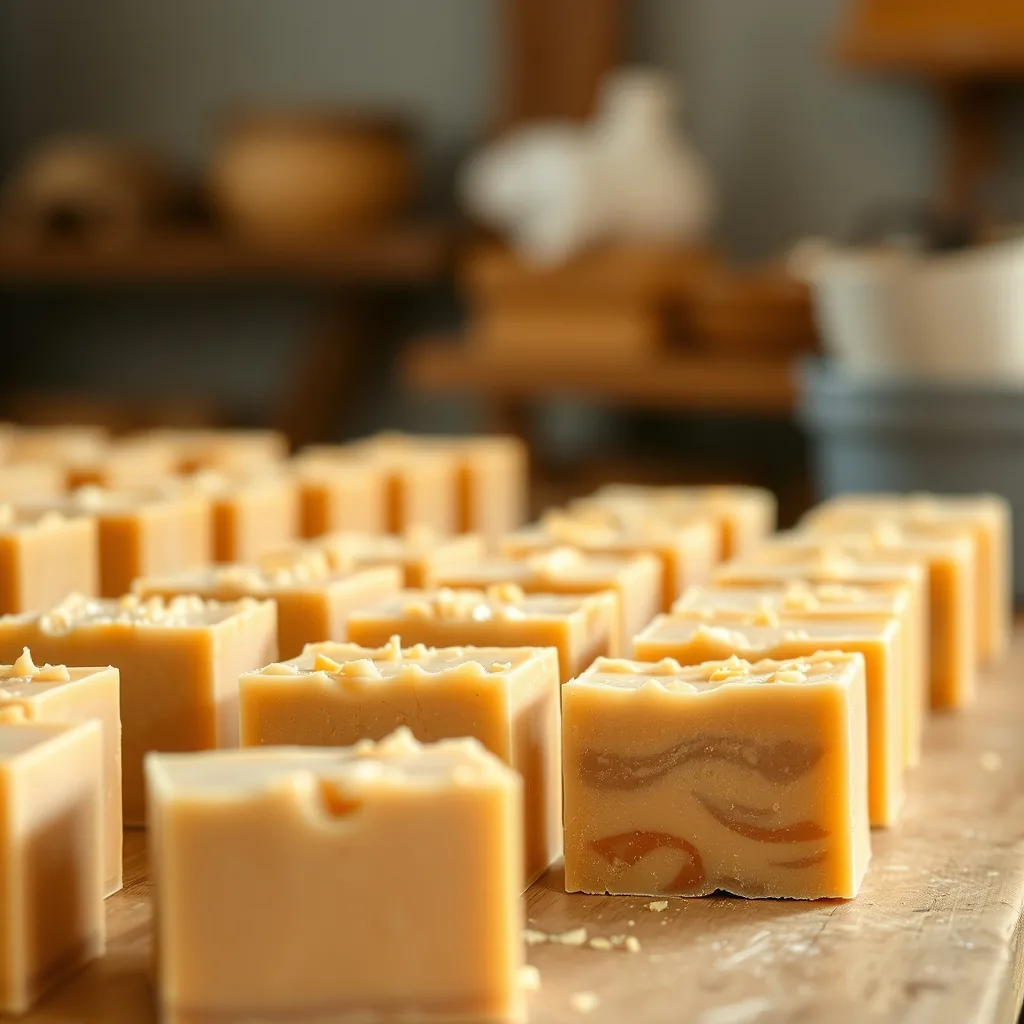
Equipment, kitchen layout, regulatory compliance, lye safety at scale, and the batch sizes where the economics break even.

Most soap makers hit a wall at the same batch size: about 4 pounds of oil. That's the size that fits a Crock-Pot or a regular kitchen pot. Once you need to scale beyond that — for wholesale orders, for events, for actual income — the equipment, procedure, safety profile, and regulatory exposure all shift.
Here's the honest scaling path.
The batch-size tiers
| Tier | Oil weight | Bar count (4oz) | Equipment |
|---|---|---|---|
| Hobby | 1-2 lbs | 4-8 bars | Kitchen pot, immersion blender |
| Side business | 3-5 lbs | 12-20 bars | Larger pot, dedicated tools, silicone molds |
| Production | 8-15 lbs | 32-60 bars | Bain marie or warming pot, larger molds, dedicated workspace |
| Small commercial | 20-40 lbs | 80-160 bars | Heated mixing tank, industrial molds, separate facility |
| Commercial | 50-200 lbs | 200-800 bars | Dedicated soap room, commercial blender, log mold cutters |
The 4-pound wall
The first scaling challenge is moving from 2-pound batches to 4-pound. This sounds like just "buying a bigger pot." It isn't.
At 4 pounds of oil + 0.55 pounds of lye + 1.3 pounds of water, you have 6 pounds of corrosive material at 130-150°F. A spill at this volume is a real safety incident, not a cleanup. Containers need stable bases. Heat protection requires upgrade. Workspace ventilation matters.
Equipment changes at 4 pounds:
- Pot capacity: 8-quart minimum (allows 30% headroom for stirring/trace)
- Stick blender: stainless steel commercial (the cheap plastic blenders die at this volume)
- Scale: 22-pound digital (most kitchen scales max at 10 pounds)
- Splash protection: face shield in addition to safety goggles
The 15-pound wall
The next scaling challenge is the 15-pound batch — the size that produces ~60 bars and serves a typical wholesale account order. At this volume, traditional kitchen equipment fails completely.
Required equipment at 15 pounds:
- Heated mixing vessel. A 5-gallon stainless steel commercial pot with a hot water bath jacket, or a bain-marie setup. The lye-and-oil reaction at this volume produces enough heat that the mixture stays at trace temperatures for 30+ minutes; you need temperature control.
- Commercial-grade immersion blender. Bamix or Robot Coupe — $300-500 vs the $30 kitchen blender.
- Log mold with internal dividers. A 15-pound batch in a single mold is unstable. Use 3-5 log molds of 3-5 pounds each.
- Lye storage upgrade. Storing 5-pound bags of NaOH safely requires a lockable cabinet, separated from food storage, with material safety data sheet posted.

The 30-pound wall (small commercial)
30-pound batches require leaving the kitchen entirely. The equipment, the noise, the venting, and the regulatory exposure all change.
What you actually need:
- Dedicated workspace (basement, garage, or rented space — not the kitchen)
- Commercial extractor fan with HEPA filter (the volatile organics during fragrance addition are real)
- Eye-wash station within 25 feet of the lye mixing area (OSHA requirement at production scale)
- Commercial soap log cutter (cutting 30-pound logs by hand wastes 8% of each batch in inconsistent slices)
- Inventory racks rated for the cure-time period (4-6 weeks × your monthly throughput = hundreds of bars curing simultaneously)
Regulatory thresholds that matter
| Threshold | What changes |
|---|---|
| $1,000 annual revenue | Most states require business license |
| State-specific cottage food laws | Maximum sales caps (varies $5k-$60k depending on state) for home production |
| "Cosmetic claims" (moisturizing, healing, etc.) | FDA cosmetic registration required regardless of revenue |
| $10,000 annual revenue + claims | Often triggers state cosmetic regulation (varies) |
| Above $50,000 annual revenue | FDA expects formal facility inspection eligibility |
| Wholesale to chain retail | Requires GS1 barcodes, sales tax registration in retail states, supply chain documentation |
Lye safety at scale
Sodium hydroxide handling becomes a different category of activity above 5-pound bag quantities. Real safety upgrades:
- Long-sleeve chemical-resistant gloves (nitrile beyond the wrist isn't sufficient for splash protection on bare forearms)
- Full apron, not just bib — chest-to-knee coverage
- Vinegar and 1% citric acid solution at workstation for lye spill neutralization
- Emergency shower access for production-scale operations
- Storage in a labeled, locked container — the 5-pound bag of lye looks identical to a 5-pound bag of sugar from 3 feet away
The economic breakeven for each tier
| Tier | Equipment investment | Bars per hour | Cost per bar | Breakeven retail |
|---|---|---|---|---|
| Hobby (2-lb) | $120 | 4 | $2.80 | $8 retail to be sustainable |
| Side business (4-lb) | $350 | 10 | $1.80 | $6 retail |
| Production (15-lb) | $1,200 | 22 | $1.20 | $5 retail (wholesale-ready) |
| Small commercial (30-lb) | $5,500 | 40 | $0.85 | $4 retail (commercial wholesale) |
The breakeven dropping reflects the per-bar margin opening up. A 30-pound batch operation can profitably wholesale at $4 per bar where a hobbyist can't profitably retail at less than $8.


