Guides
Practical rangefinder content — max range reality, angle compensation math, and display modes explained. No spec sheet inflation.
Why this page exists
A rangefinder rated to 1,000 yards is not a 1,000-yard deer rangefinder. That rating is measured on a reflective target like a white panel under ideal conditions. Against deer hair at 500 yards on an overcast day, the same rangefinder may return a reading 40–90% of its rated range, or not return one at all.
Angle compensation works differently for archery holdover (true horizontal distance) vs rifle holdover (compensated drop calculation). Choosing the wrong mode for your application produces the wrong number. This guide explains what to look for and what the specs actually mean.
Rangefinders worth searching on eBay
Hunting, archery, and angle-compensating rangefinders. We earn a small commission on qualifying sales; your price is unchanged. Full disclosure.
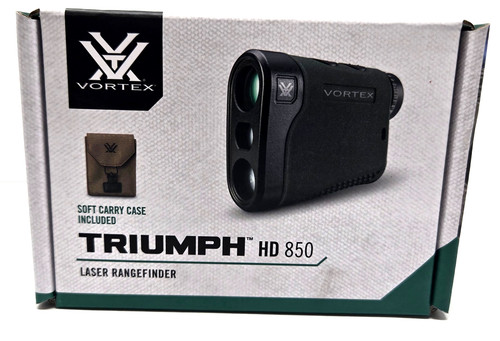 Hunting rangefinder
Purpose-built for ranging deer and other game, typically with scan mode and angle compensation. Bulkier optics than golf models but optimized for low-light and variable target reflectivity.
Hunting rangefinder
Purpose-built for ranging deer and other game, typically with scan mode and angle compensation. Bulkier optics than golf models but optimized for low-light and variable target reflectivity.
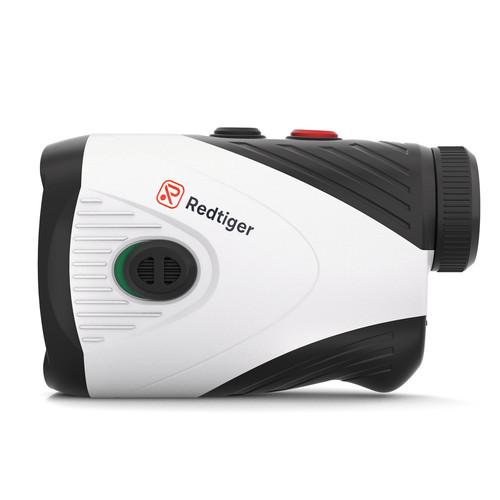 Laser rangefinder
Emits a Class 1 or Class 2 laser pulse and measures round-trip time for distance. Most hunting and golf rangefinders fall under Class 1 (eye-safe). Range accuracy typically ±1 yard at normal distances.
Laser rangefinder
Emits a Class 1 or Class 2 laser pulse and measures round-trip time for distance. Most hunting and golf rangefinders fall under Class 1 (eye-safe). Range accuracy typically ±1 yard at normal distances.
 Archery rangefinder
Includes Angle Range Compensation (ARC) bow mode that outputs true horizontal distance — the distance you actually set your sight pin to. Essential for elevated stand and tree-saddle bowhunting.
Archery rangefinder
Includes Angle Range Compensation (ARC) bow mode that outputs true horizontal distance — the distance you actually set your sight pin to. Essential for elevated stand and tree-saddle bowhunting.
 Rangefinder with angle compensation
Measures slant angle and applies cosine correction. Look for models that offer both bow mode (horizontal distance) and rifle mode (drop-compensated equivalent range) on the same unit.
Rangefinder with angle compensation
Measures slant angle and applies cosine correction. Look for models that offer both bow mode (horizontal distance) and rifle mode (drop-compensated equivalent range) on the same unit.
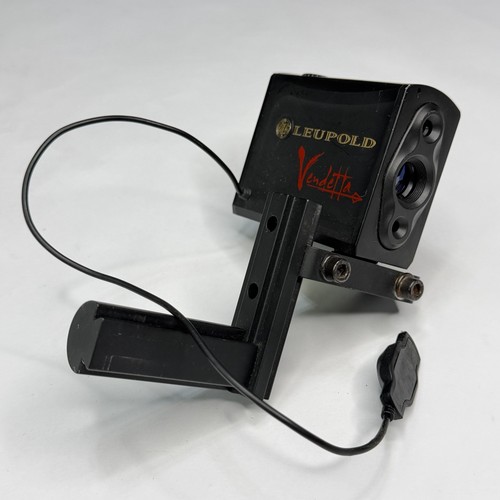 Bow rangefinder
Compact, one-hand operation designed for quick ranging from a treestand or saddle. Scan mode lets you sweep a shooting lane to identify distances to landmarks before an animal presents.
Bow rangefinder
Compact, one-hand operation designed for quick ranging from a treestand or saddle. Scan mode lets you sweep a shooting lane to identify distances to landmarks before an animal presents.