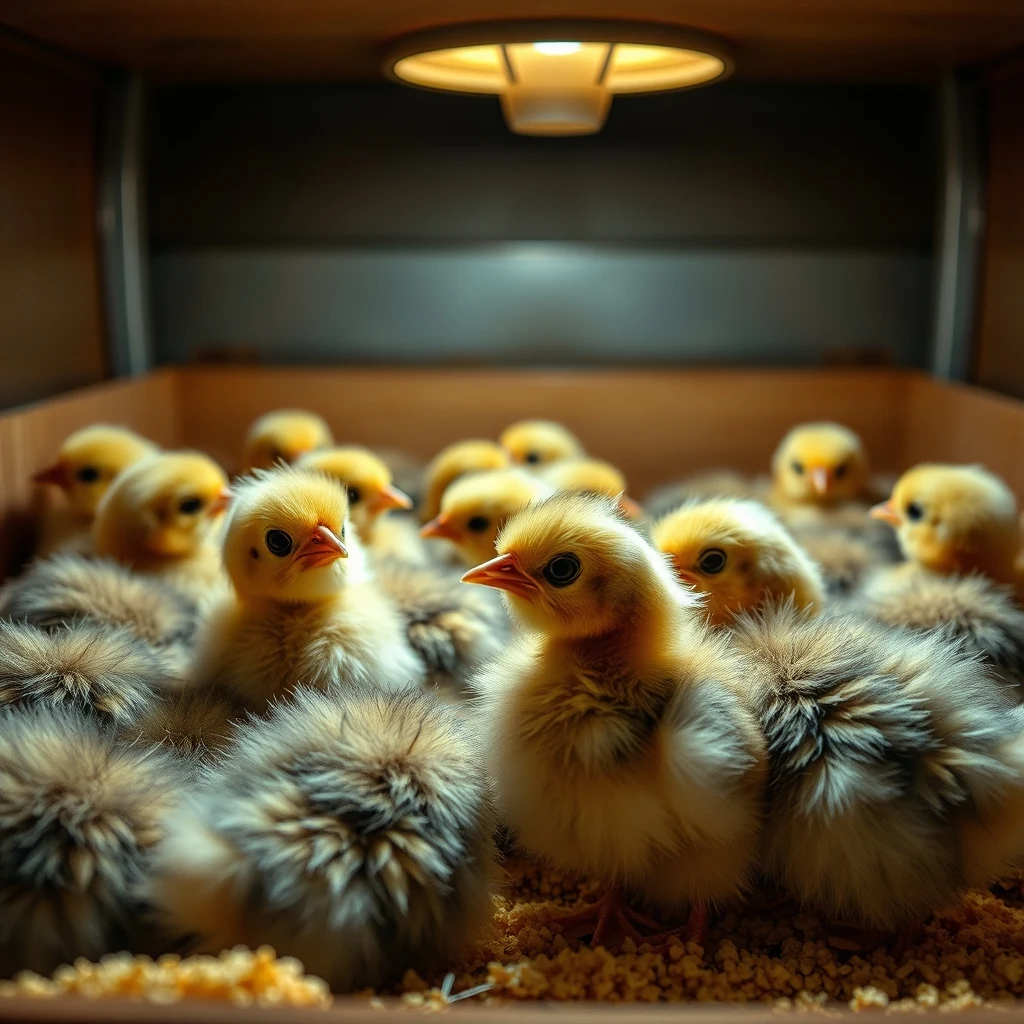
Why coturnix specifically
There are many quail species — Bobwhite, California, Gambel's — but Coturnix japonica (Japanese quail) dominates backyard and small-farm production for two reasons. First, they mature and begin laying at 6–8 weeks rather than 16–18 weeks for chickens. Second, they are productive: a good hen lays 250–300 eggs per year, and the meat-focused "Jumbo Coturnix" reaches harvest weight around 8 weeks.
They are also quiet by poultry standards. Hens are silent. Roosters call, but the sound is far less disruptive than a chicken rooster and typically acceptable in suburban or even some urban settings. Check local ordinances — many that prohibit chickens do not explicitly address quail.
Cage vs aviary: what actually works
Coturnix quail do not require outdoor access or large enrichment enclosures the way chickens often benefit from. They do well in wire cages, and most commercial and serious hobby setups use battery-style wire cages.
Wire cages (battery style)
The standard setup for coturnix is a wire cage with a sloped wire floor (typically 1/2" × 1" welded wire mesh) that allows droppings to fall through into a tray below. This keeps the birds cleaner and dramatically reduces disease pressure. A typical battery cage might be 24" × 24" × 8" — that 4 sq ft floor holds 4 birds comfortably (1 sq ft per bird is the minimum; 1.5 sq ft per bird is better for a colony setup).
Colony / ground pens
Ground pens with a solid floor, litter, and more space per bird allow more natural behaviors — dust bathing, foraging — and some keepers prefer this for welfare reasons. The trade-off: litter management is a daily task, disease pressure (particularly coccidiosis and respiratory issues) is higher, and eggs get dirtier. If you keep coturnix on the ground, use deep litter (4–6 inches of sand, wood shavings, or a mix) and clean or turn it regularly.
| Factor | Wire cage | Ground pen / aviary |
|---|---|---|
| Egg cleanliness | Very good — eggs roll to collection tray | Variable — eggs laid in litter |
| Disease pressure | Lower — no droppings contact | Higher — coccidiosis risk |
| Space required | ~1 sq ft/bird minimum | ~2–4 sq ft/bird for welfare |
| Natural behavior | Limited | Dust bathing, foraging possible |
| Management | Tray cleaning 2–3×/week | Litter turning/cleaning daily |
Incubation: the numbers that matter
Coturnix eggs hatch in 17 days (compared to 21 for chicken eggs). The parameters are not forgiving — temperature and humidity errors in the first week are the most common cause of poor hatch rates.
Temperature
Forced-air incubators: 99.5°F (37.5°C). Still-air incubators: 101–102°F measured at the top of the eggs (the eggs are cooler at their centers). Most commercial cabinet incubators are forced-air. Forced-air is more consistent and is what most beginners should use.
Humidity
Days 1–14: 45–55% relative humidity. Days 15–17 (lockdown): increase to 65–70%. Lockdown refers to the final stretch before hatch — you stop turning eggs and raise humidity to prevent the chick from drying out inside the shell during the pipping and hatching process. An accurate digital hygrometer is not optional; analog ones drift significantly.
Egg turning
Eggs need to be turned at least 3 times per day, ideally 5–7 times, through day 14. Most digital incubators with auto-turners handle this automatically. If hand-turning, mark the eggs with an X on one side so you can track rotation. Stop turning at day 14 (start of lockdown).
Brooder setup: temperatures by week
Coturnix chicks need supplemental heat for their first 3–4 weeks. They are tiny — about the size of a bumblebee when they hatch — and chill quickly.
| Week | Target temperature (under heat source) | Notes |
|---|---|---|
| Week 1 | 95°F (35°C) | Chicks should cluster near warmth but not pile; piling = too cold |
| Week 2 | 90°F (32°C) | Drop ~5°F per week as feathering progresses |
| Week 3 | 85°F (29°C) | Chicks increasingly feathered, exploring cooler zones |
| Week 4 | 80°F (27°C) | Most chicks fully feathered; heat source can be removed if ambient is above 65°F |
Brooder plates (a heated flat surface the chicks go under, mimicking a hen) are safer than heat lamps because they eliminate fire risk from knocked-over lamps. They also encourage more natural behavior. Heat lamps work fine if secured safely. Use a red bulb rather than white — it reduces pecking behavior.
Brooder size: allow at least 0.5 sq ft per chick in the first week, expanding as they grow. Coturnix chicks are fast and will pile in corners if startled — round corners or stuffed-corner brooder designs reduce corner-pile injury.
Feed: protein levels by life stage
Coturnix have some of the highest protein requirements of any poultry. Using low-protein feed is one of the most common mistakes and results in poor feathering, delayed lay, and cannibalism.
Shopping for quail keeping gear? Browse current eBay listings → (we earn a small commission; your price is unchanged).
| Life stage | Minimum protein % | Typical feed choice |
|---|---|---|
| Chick (0–4 weeks) | 28–30% | Game bird starter or turkey starter (NOT chick starter, which is typically 18–20%) |
| Grower (4–6 weeks) | 24–26% | Game bird grower or turkey grower |
| Layer / adult | 20–24% | Game bird layer or a mix of layer pellets + protein supplement |
| Breeding pairs | 22–24% | Standard game bird layer; supplement with mealworms or insects during breeding season |
Medicated chick starter designed for chickens typically contains Amprolium for coccidiosis prevention. Many quail keepers avoid it because coturnix are less susceptible to coccidiosis than chickens (especially in wire cages) and the medication is not approved for quail specifically. Use unmedicated game bird starter unless advised otherwise by a vet.
Grit and calcium
Quail on wire with commercial feed generally do not need additional grit because pellet feeds do not require mechanical grinding. Laying hens do need additional calcium — oyster shell offered free-choice in a separate dish. Do not mix calcium into the main feed for non-layers; excess calcium harms the kidneys of non-laying birds and young stock.
Water: what goes wrong and how to avoid it
Coturnix chicks drown easily in open waterers. Use shallow jar waterers with marbles or pebbles in the base for the first 1–2 weeks. After that, nipple drinkers are the best long-term setup: they eliminate spillage, keep the bedding dry, and reduce bacterial growth in standing water. Horizontal nipple drinkers work well for quail; vertical nipples require the bird to tilt its head up, which coturnix manage but find less natural.
Change water daily during brooding. In hot weather, flush nipple systems frequently — stagnant water in warm lines grows bacteria quickly.
Predator-proofing: where setups fail
Coturnix in outdoor pens or colony runs are vulnerable to a wider predator list than you might expect. Rats and weasels are the most underestimated threats — both can kill adult birds through standard chicken wire openings (1" hexagonal wire) and will decimate a flock.
- Use hardware cloth (welded wire mesh), not chicken wire. 1/2" × 1/2" hardware cloth on all sides including the floor if on the ground. Rats chew through chicken wire and reach through it.
- Apron the base. Bury hardware cloth 12" outward from the enclosure base (or lay it flat on the ground) to prevent digging. Foxes, raccoons, and dogs will dig under vertical barriers.
- Cover the top. Hawks and owls take coturnix readily. Any outdoor run needs full wire-mesh roofing.
- Lock every door. Raccoons can work simple latches. Use carabiner clips or padlocks on anything accessible to them at night.
For indoor battery cages, the main threats are rats (which will eat eggs and young chicks through wire) and household pets. Use 1/2" × 1" or smaller mesh on the cage sides — not 1" × 2", which allows rats to reach through.
Lighting for egg production
Coturnix lay in response to day length. They need 14–16 hours of light per day to maintain peak production. Natural light alone is often insufficient in winter months at most latitudes. A simple timer-controlled LED bulb providing even, moderate light (100–150 lux at bird level) is enough. Sudden shifts in light schedule will disrupt laying temporarily.
Avoid constant 24-hour light — it causes burnout and health problems. A schedule of 16 hours on / 8 hours off is commonly used for production flocks. Dim, gradual light changes are gentler than abrupt on/off, though not strictly necessary for coturnix the way they are for some other species.
Common mistakes and how to avoid them
The majority of beginner problems with coturnix come down to three issues: protein too low (use game bird or turkey feed, not chicken feed), overcrowding (1 sq ft per bird minimum in cages), and predator gaps. Get those three right and coturnix are genuinely low-maintenance.
Feather picking and cannibalism — the other common issue — is almost always a symptom of overcrowding or low-protein feed rather than a behavioral problem that needs to be treated directly. Address the root cause first.
Search eBay for quail keeping gear
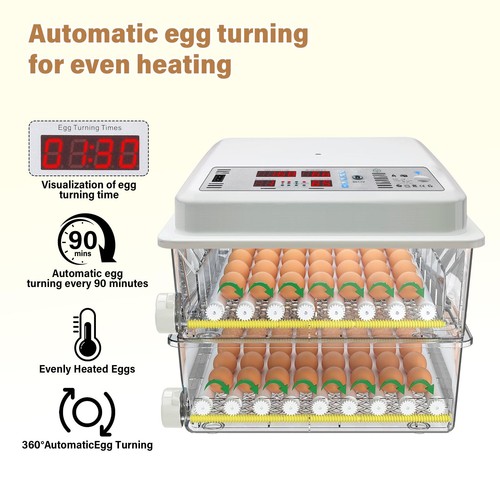 Quail incubator
Look for auto-turn, forced-air, and digital humidity readout. 17-day hatch cycle.
Quail incubator
Look for auto-turn, forced-air, and digital humidity readout. 17-day hatch cycle.
 Quail cage
Battery cages with 1/2"×1" wire floor. Check dimensions: 1 sq ft per bird minimum.
Quail cage
Battery cages with 1/2"×1" wire floor. Check dimensions: 1 sq ft per bird minimum.
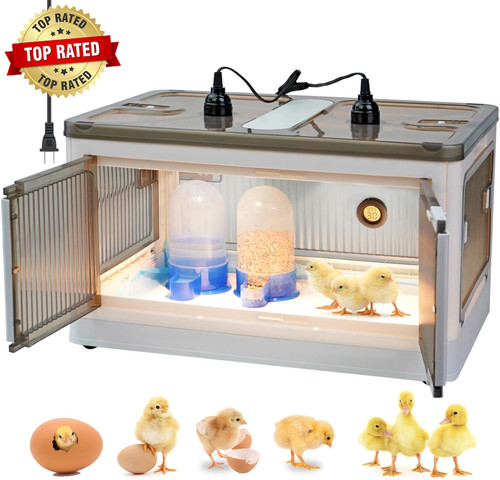 Quail brooder
Brooder plates preferred over heat lamps for safety. Start at 95°F week one.
Quail brooder
Brooder plates preferred over heat lamps for safety. Start at 95°F week one.
 Coturnix hatching eggs
Fertile eggs for incubation. Check seller feedback and expect 60–80% hatch from good stock.
Coturnix hatching eggs
Fertile eggs for incubation. Check seller feedback and expect 60–80% hatch from good stock.
 Quail feeder
Small-opening tube feeders reduce scatter waste significantly with coturnix.
Quail feeder
Small-opening tube feeders reduce scatter waste significantly with coturnix.