Guides
Generator buying guides focused on the specs that matter — load math, power quality, fuel options, and transfer switch basics.
Why this page exists
Generator listings lead with peak wattage numbers that don't reflect what the unit can actually sustain, and rarely explain the starting watt surge that determines whether your refrigerator or sump pump will start. The running vs starting watt distinction, why inverter generators cost more but matter for computers and medical equipment, and what connecting to your home actually requires — those are the decisions that determine whether your generator is genuinely useful in an outage.
This page explains those specs clearly so you can size a generator to your actual needs rather than a number on a box.
Home generators worth searching on eBay
Inverter and conventional generators plus transfer switch equipment. We earn a small commission on qualifying sales; your price is unchanged. Full disclosure.
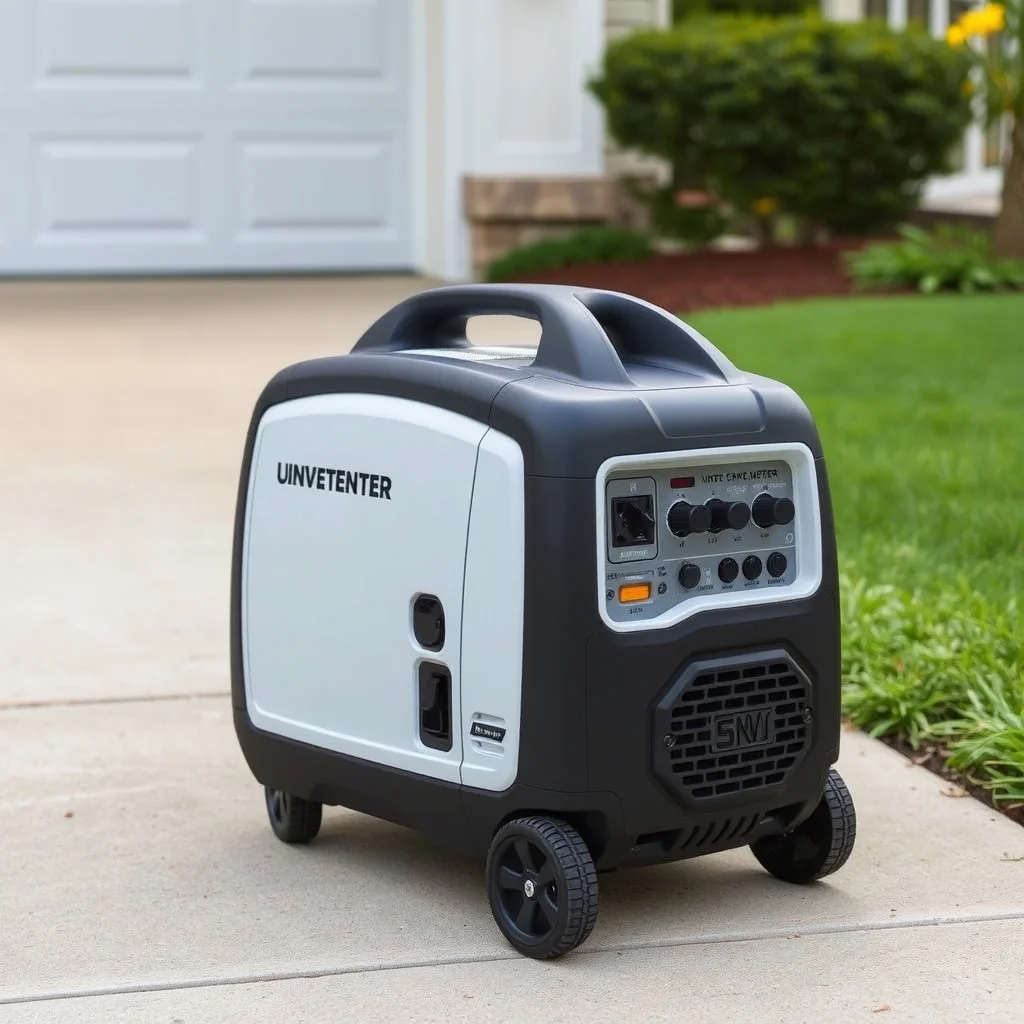
 Inverter Generator
Clean sine wave output safe for sensitive electronics. Fuel-efficient at partial loads. Quieter than conventional at comparable wattage. Best for camping, tailgating, and powering computers or medical equipment.
Inverter Generator
Clean sine wave output safe for sensitive electronics. Fuel-efficient at partial loads. Quieter than conventional at comparable wattage. Best for camping, tailgating, and powering computers or medical equipment.
 Portable Generator
Conventional open-frame generators at 3,500–10,000W. Higher wattage per dollar than inverters. Runs at fixed RPM regardless of load. Verify running watts, peak watts, and outlet configuration.
Portable Generator
Conventional open-frame generators at 3,500–10,000W. Higher wattage per dollar than inverters. Runs at fixed RPM regardless of load. Verify running watts, peak watts, and outlet configuration.
 Dual Fuel Generator
Runs on gasoline or propane. Propane stores indefinitely (no ethanol degradation), making it better for emergency preparedness. Wattage typically 10–15% lower on propane vs gasoline.
Dual Fuel Generator
Runs on gasoline or propane. Propane stores indefinitely (no ethanol degradation), making it better for emergency preparedness. Wattage typically 10–15% lower on propane vs gasoline.
 Quiet Inverter Generator
Low-noise inverter models (typically 51–58 dBA at 25% load). Best for neighborhoods with noise ordinances, camping within earshot of others, or running overnight.
Quiet Inverter Generator
Low-noise inverter models (typically 51–58 dBA at 25% load). Best for neighborhoods with noise ordinances, camping within earshot of others, or running overnight.
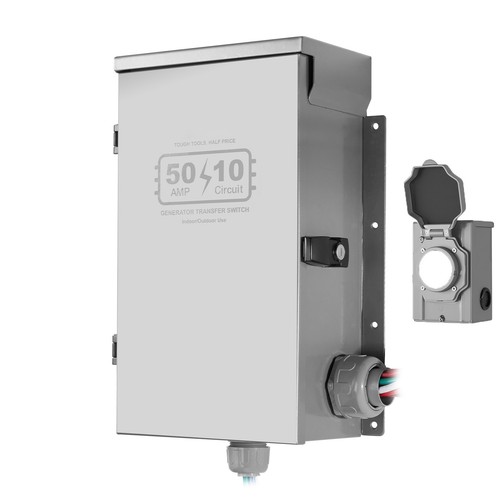 Generator Transfer Switch
Required for connecting a generator to your home's circuits safely. Manual transfer switches require a licensed electrician to install. Never back-feed grid power — it endangers lineworkers.
Generator Transfer Switch
Required for connecting a generator to your home's circuits safely. Manual transfer switches require a licensed electrician to install. Never back-feed grid power — it endangers lineworkers.