Guides
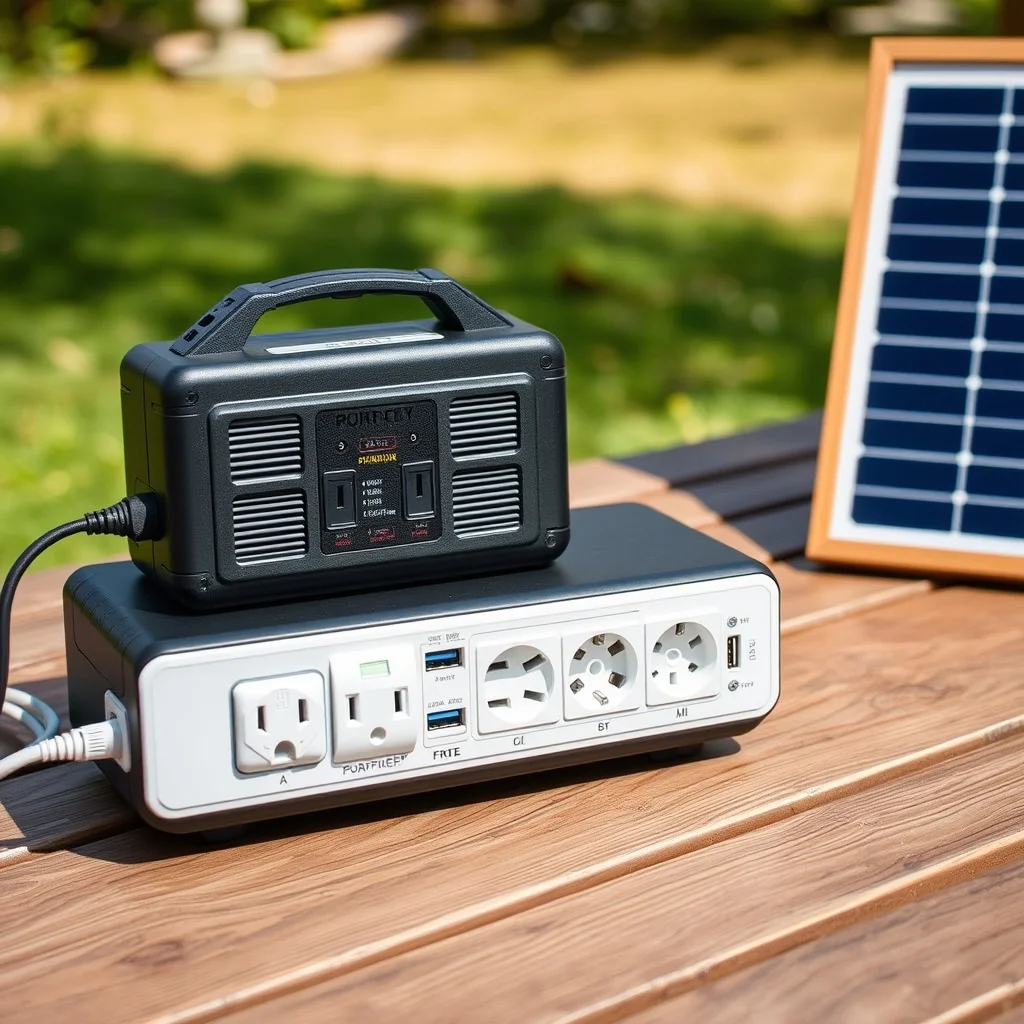
Capacity math, chemistry tradeoffs, inverter specs, and solar input explained for portable power station buyers.
Why this page exists
Portable power station listings are full of watt-hour numbers without context for what those numbers mean in practice. Whether 1,000 Wh runs a CPAP for one night or three, why a 2,000W inverter doesn't mean you can run a 2,000W microwave continuously, and what LiFePO4 chemistry actually changes — those answers require real load math that most review sites skip.
This page does that math plainly so you can right-size a unit for your actual use case rather than buying by brand name or headline spec.
Portable power stations worth searching on eBay
LiFePO4 and NMC units at various capacity levels with established track records. We earn a small commission on qualifying sales; your price is unchanged. Full disclosure.
 Portable Power Station
General search across all capacity levels. Filter by Wh capacity that matches your target loads. Verify AC output wattage and whether the inverter is pure sine wave.
Portable Power Station
General search across all capacity levels. Filter by Wh capacity that matches your target loads. Verify AC output wattage and whether the inverter is pure sine wave.
 Solar Generator Kit
Power station plus solar panel(s). Check combined wattage of included panels vs station's max solar input — some kits include panels that undercharge the unit in a single day.
Solar Generator Kit
Power station plus solar panel(s). Check combined wattage of included panels vs station's max solar input — some kits include panels that undercharge the unit in a single day.
 Power Station 1000W
Mid-range inverter output suitable for most small appliances, laptops, CPAP, and LED lighting loads. Note: 1000W output doesn't indicate storage capacity (Wh) — check both specs.
Power Station 1000W
Mid-range inverter output suitable for most small appliances, laptops, CPAP, and LED lighting loads. Note: 1000W output doesn't indicate storage capacity (Wh) — check both specs.
 LiFePO4 Power Station
Lithium iron phosphate chemistry — significantly longer cycle life (2,000–3,500 cycles vs 500 for NMC) and better thermal stability. Higher upfront cost, lower long-term cost per cycle.
LiFePO4 Power Station
Lithium iron phosphate chemistry — significantly longer cycle life (2,000–3,500 cycles vs 500 for NMC) and better thermal stability. Higher upfront cost, lower long-term cost per cycle.
 Portable Power Station with Solar
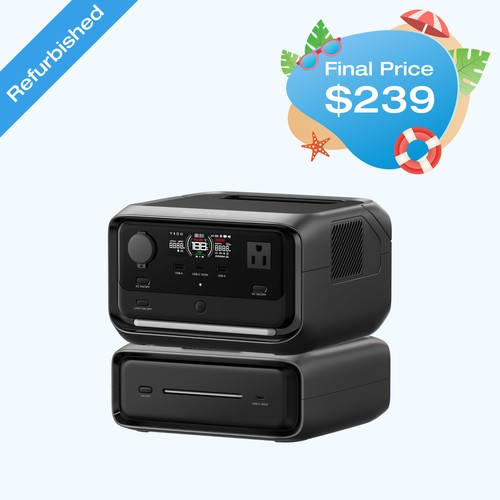
Bundles designed for solar recharging. Verify MPPT charge controller is included (better efficiency than PWM) and check the max solar input wattage to match your panel array.
Portable Power Station with Solar
Bundles designed for solar recharging. Verify MPPT charge controller is included (better efficiency than PWM) and check the max solar input wattage to match your panel array.