Traditional vs infrared: what actually differs
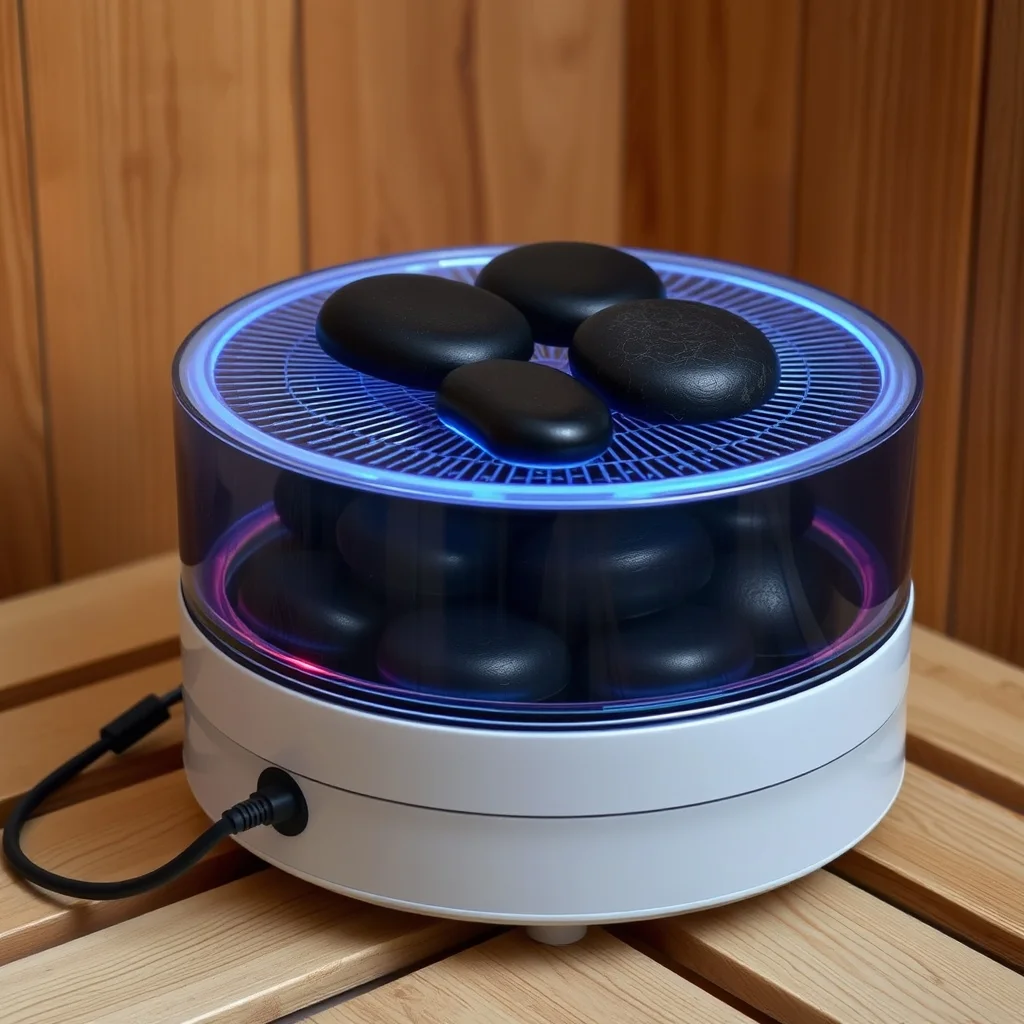
The core distinction is how heat is delivered. Traditional saunas use an electric (or wood-burning) heater to warm a chamber of rocks, which heats the air to 160–195°F (71–90°C). Pouring water on the rocks creates steam (löyly in Finnish), which raises perceived heat and humidity. The experience is hot ambient air plus steam.
Infrared saunas use panels — typically far-infrared emitters — that radiate heat directly toward the body without significantly heating the air. Operating temperatures are typically 120–140°F (49–60°C). Some buyers find the lower air temperature more comfortable; others find the experience meaningfully different from what they expected from a "sauna." Both are legitimate choices; they are genuinely different products.
| Feature | Traditional | Infrared |
|---|---|---|
| Air temperature | 160–195°F (71–90°C) | 120–140°F (49–60°C) |
| Warmup time | 30–45 minutes | 10–20 minutes |
| Steam (löyly) | Yes (pour water on rocks) | No |
| Electrical requirement | Usually 240V, 30–60A | Often 120V 15–20A; larger units 240V |
| Humidity control | Yes — by amount of water used | Low ambient humidity |
| Installation complexity | Higher — dedicated circuit required | Lower — some plug into standard outlet |
Heater sizing: calculating by room volume
Electric sauna heater output is rated in kilowatts. The standard industry guideline is approximately 1kW per 45 cubic feet of room volume for well-insulated rooms. Rooms with exposed concrete, tile, or large glass panels require more output — budget 1kW per 35 cubic feet as a safer estimate.
To calculate your room volume: multiply length × width × height in feet, then divide by 45 (or 35 for hard-wall rooms).
Example: a 5×4×7 foot sauna room = 140 cubic feet. At 1kW/45 cu ft, that's roughly 3.1kW — so a 3kW or 4kW heater is appropriate. A 6kW heater would overshoot and is unnecessary expense in operating cost and electrical installation.
| Room volume | Recommended heater size | Common configuration |
|---|---|---|
| Up to 100 cu ft | 2–3kW | 1-person, small 2-person |
| 100–175 cu ft | 3–4kW | Standard 2-person |
| 175–270 cu ft | 4–6kW | 3–4 person |
| 270–400 cu ft | 6–9kW | Large 4–6 person, commercial-adjacent |
Wood type: cedar, hemlock, and basswood
Wood selection affects durability, smell, and appearance. The three most common options:
Western red cedar is the traditional benchmark. It is naturally resistant to moisture damage and cracking, has a characteristic warm scent that many consider part of the sauna experience, and maintains its appearance over years of high-heat/high-humidity cycling. It is typically more expensive than alternatives.
Hemlock is a lighter-colored, tighter-grained wood that is generally less expensive than cedar. It has minimal scent — an advantage for users sensitive to cedar aromatics. It is less naturally rot-resistant than cedar, but performs well in properly maintained indoor installations.
Basswood is the lightest-colored option — almost white. It is hypoallergenic and has no noticeable smell, making it the choice for people with sensitivities. It is softer than cedar and more susceptible to surface damage from sustained high heat if the sauna is not adequately ventilated.
Shopping for a home sauna? Browse current eBay listings → (we earn a small commission; your price is unchanged).
Capacity: 1–2 person vs 3–4 person
Manufacturer capacity ratings are optimistic — they typically assume bench width of 18–20 inches per person. In practice, comfortable seated use requires more like 24 inches per adult. A "3 person" sauna may seat two adults comfortably with room to stretch legs.
For a private home use by one or two people, a 2-person rated cabin is usually the right sizing — it fits the space, heats efficiently, and doesn't require the electrical load of a larger unit. If the sauna will see regular use by a family or guests, a 3–4 person unit makes more sense even if daily use is by two people.
Larger interior volumes require larger heaters and longer warmup times. For spontaneous daily use, a smaller unit with a shorter warmup is often used more frequently than a larger unit that takes 45 minutes to reach temperature.
Electrical requirements: what to verify before buying
Before purchasing any sauna unit, check the electrical specification in the product documentation:
- Voltage: 120V or 240V
- Amperage: the circuit breaker size required (typically 20A, 30A, or 60A for larger traditional units)
- Wiring type: whether the unit hardwires into a subpanel or uses a standard outlet
Most infrared sauna cabins in the 1–2 person range operate on 120V and draw 15–20 amps — compatible with a standard dedicated household circuit. Larger infrared units and all traditional electric heaters above about 3kW require 240V installation. This means a dedicated circuit breaker in your panel and appropriate wiring run to the installation location, which typically requires a licensed electrician and may require a permit depending on your jurisdiction.
Outdoor vs indoor installation
Barrel saunas and cabin-style saunas can be installed outdoors with appropriate weatherproofing. Outdoor installations need a waterproof roof element, gap-free wall construction, and electrical wiring rated for exterior use (typically in conduit). Outdoor traditional saunas are popular in Nordic-style settings and often use wood-fired heaters that require no electrical connection — but wood-fired options have their own ventilation and permitting requirements.
Indoor installations have simpler waterproofing requirements but need adequate ventilation — most sauna installations require a fresh air vent near the floor and an exhaust vent near the ceiling. Ventilation prevents moisture buildup in the surrounding room and extends the life of the sauna wood.
 Infrared sauna home
 Sauna heater
 Barrel sauna
 Portable sauna