Guides
Practical headlamp buying content — lumens and beam distance, flood vs spot, rechargeable vs AAA, red light modes, and IPX waterproofing ratings explained.
GuideRed light is the feature you'll use most and never see advertisedHeadlamps are sold on brightness, but the small red-light mode tucked in the corner of the spec sheet is the one that genuinely improves your nights outdoors…
Buying guide
How to choose a headlamp: lumens, beam, battery, and waterproofing
Why peak lumens mislead, what beam distance and beam angle actually tell you, rechargeable vs AAA trade-offs, when red light matters, and how to read IPX ratings for rain and submersion.
Why this page exists
Headlamp packaging leads with peak lumen numbers — often achieved only on maximum mode for a few minutes before the battery or thermal management reduces output. A 1000-lumen headlamp that runs at 200 lumens for 90% of its runtime tells you almost nothing from the box alone.
This page focuses on the numbers that predict real-world performance: beam distance in meters, regulated vs non-regulated output, runtime at actual use modes, and IPX ratings matched to intended use.
Plain note about money. Links below go to eBay searches with an affiliate tag. If you buy through one, a small commission comes to this site. Your price is identical either way.
Headlamps worth searching on eBay
We earn a small commission on qualifying sales; your price is unchanged. Full disclosure.
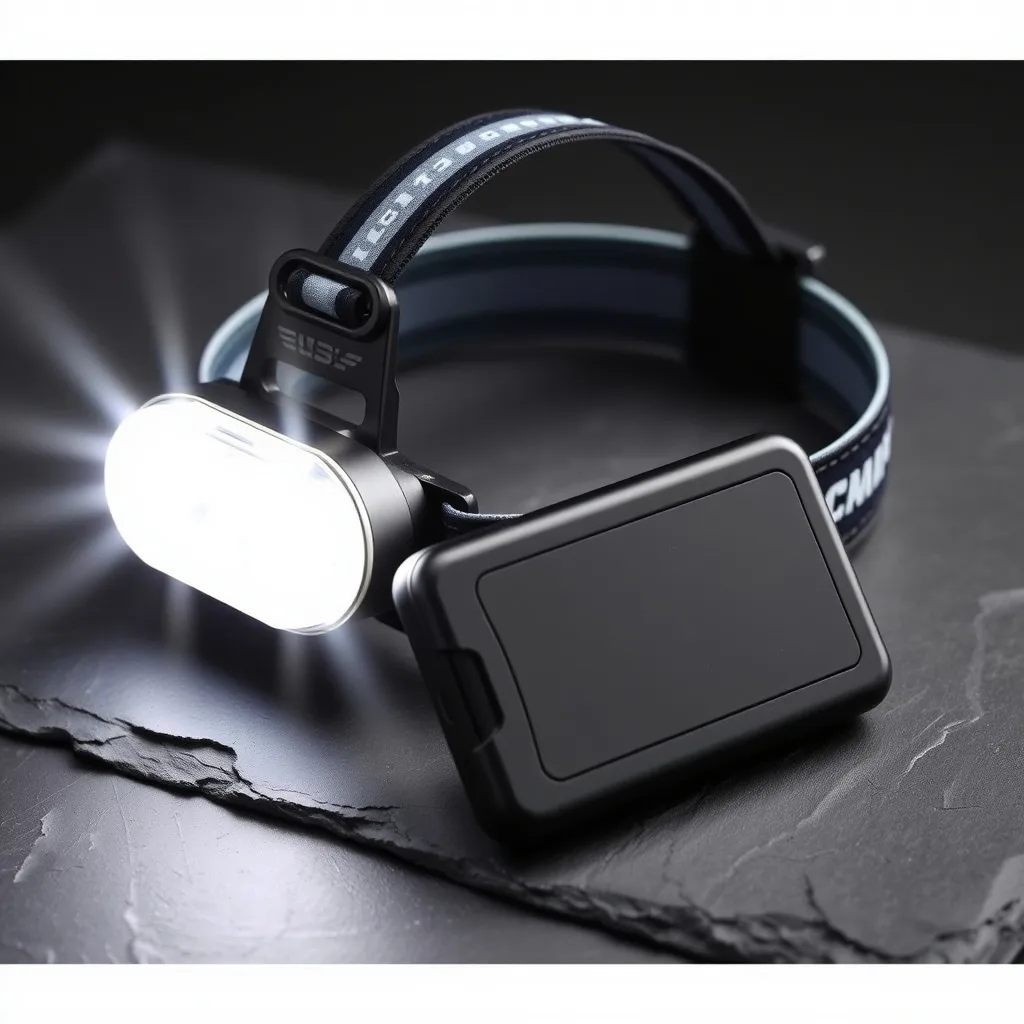
 Rechargeable headlamp
USB-C or Micro-USB charging; internal lithium battery; best for frequent use and multi-day trips with a power bank. Lower cold-weather performance than alkaline at extreme temps.
View on eBay →
Rechargeable headlamp
USB-C or Micro-USB charging; internal lithium battery; best for frequent use and multi-day trips with a power bank. Lower cold-weather performance than alkaline at extreme temps.
View on eBay →
 LED headlamp
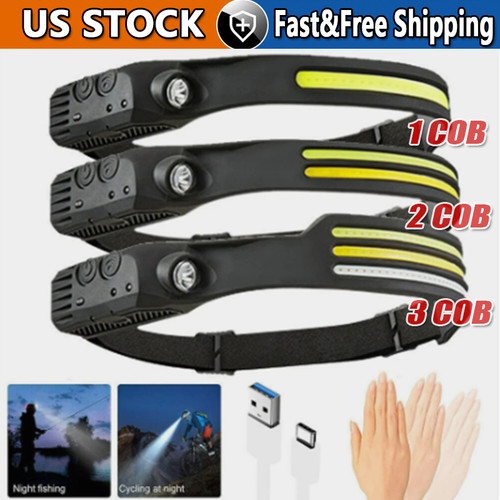
Modern headlamps are all LED; look for multiple modes (high/medium/low/red), regulated output, and beam angle suited to your use case.
View on eBay →
LED headlamp
Modern headlamps are all LED; look for multiple modes (high/medium/low/red), regulated output, and beam angle suited to your use case.
View on eBay →
 Bright headlamp
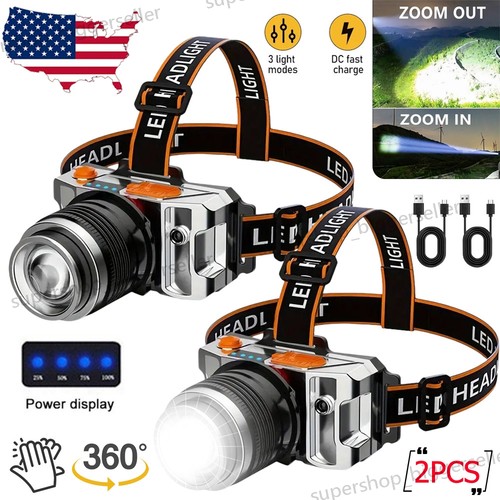
High-output headlamps (500–1500+ lumens) for trail running, scrambling, and technical work. Check beam distance (meters), not just lumen peak — brightness and throw are related but not equivalent.
View on eBay →
Bright headlamp
High-output headlamps (500–1500+ lumens) for trail running, scrambling, and technical work. Check beam distance (meters), not just lumen peak — brightness and throw are related but not equivalent.
View on eBay →
 Headlamp camping
All-around camping headlamps; 200–500 lumens adequate for most campsite tasks. Wide flood beam preferred over spot for close-up work and camp use.
View on eBay →
Headlamp camping
All-around camping headlamps; 200–500 lumens adequate for most campsite tasks. Wide flood beam preferred over spot for close-up work and camp use.
View on eBay →
 Headlamp with red light
Red mode preserves night vision and avoids blinding tentmates. Essential for astronomy and recommended for any use near others at night. Check that red mode is easily accessible without cycling through white.
View on eBay →
Headlamp with red light
Red mode preserves night vision and avoids blinding tentmates. Essential for astronomy and recommended for any use near others at night. Check that red mode is easily accessible without cycling through white.
View on eBay →