Proof: The Simple Part That's Actually Simple
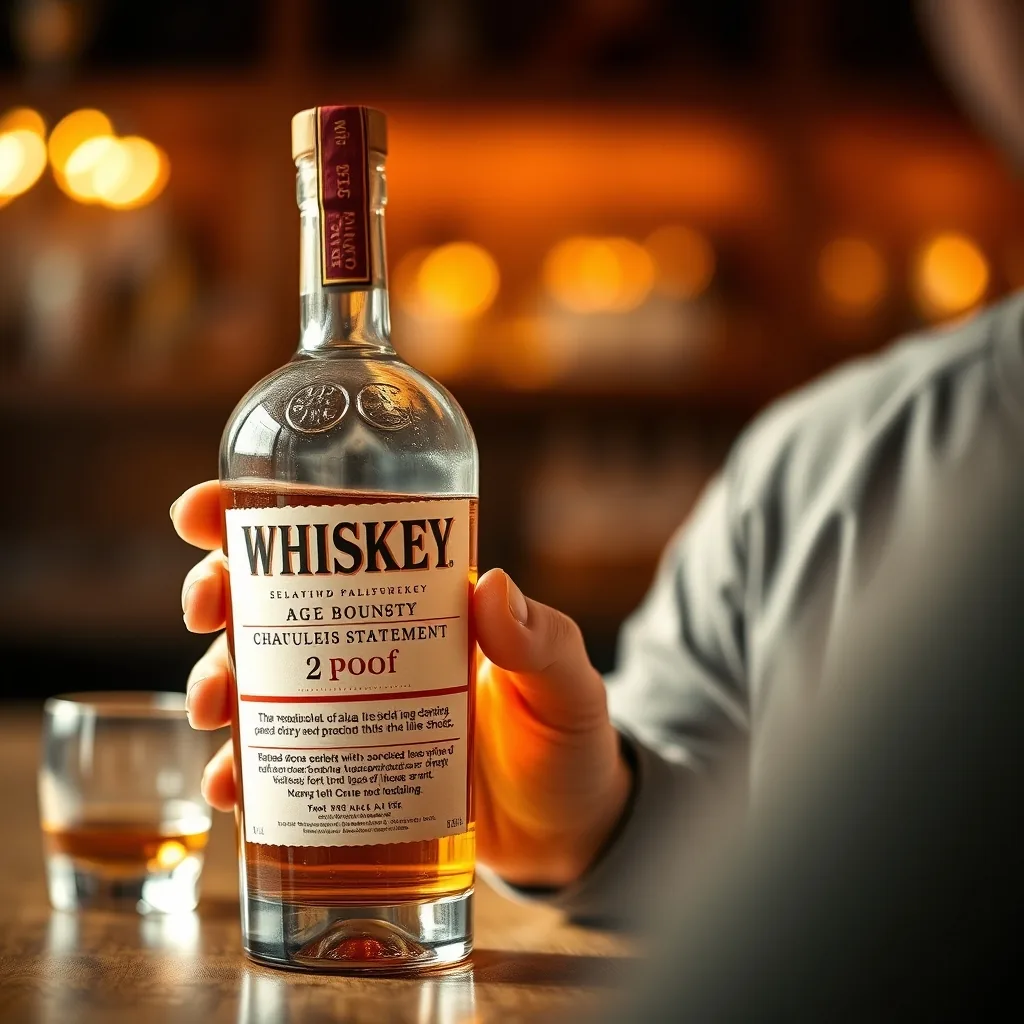
In the United States, proof is exactly twice the alcohol by volume (ABV). A whiskey labeled 100 proof is 50% ABV. A whiskey labeled 80 proof is 40% ABV. This is a fixed legal definition, not a marketing term, and it's consistently applied. When you see proof on a US label, the math is always the same.
The origin of "proof" comes from historical gunpowder tests — diluting spirit with black powder and lighting it to see if it ignited (proof that it contained sufficient alcohol). The modern legal definition has nothing to do with gunpowder; it's simply double the ABV percentage.
In the UK and most of Europe, labels use ABV directly rather than proof. Scotch, Irish, and most European whiskies will say "46% ABV" rather than a proof number. If you see proof on a Scotch label, it's often the UK proof scale, which uses a different multiplier and is different from US proof — so don't assume 100 proof means the same thing on an American bourbon and a vintage UK bottling.
What Proof Tells You About Flavor
Higher proof generally means more intense flavor expression, more heat, and more complexity — but also a stronger ethanol burn that can mask subtler notes if you go too high. Most whiskey noses well at 45–55% ABV (90–110 proof). Below 40% ABV (80 proof), required by law as the minimum for spirits labeled "whiskey" in the US, some flavor compounds become less volatile and the nose is noticeably thinner.
Cask strength or barrel proof bottlings are released at whatever ABV the barrels reach during aging — typically 55–65% ABV (110–130 proof), sometimes higher. These are not pre-diluted at the distillery. Adding a few drops of water to cask-strength whiskey in the glass can open up flavor compounds that are suppressed by the high alcohol. This isn't a preference thing — there's actual chemistry involved. At very high ABV, ethanol preferentially surrounds certain aromatic compounds; diluting below roughly 50% ABV can liberate them.
Age Statements: What They Mean and What They Don't
An age statement on a US whiskey label gives you the minimum age of the youngest whiskey in the bottle. A "12 Year" bourbon contains whiskey that is at least 12 years old. It may also contain older whiskey — the age statement is a floor, not a ceiling. A blend of 8-year and 18-year bourbon, if it exists, would have to be labeled as 8-year if an age statement is used.
This minimum-age rule is why age statements are a useful but incomplete signal. They tell you the youngest component but say nothing about the overall composition, the quality of the barrels, the warehouse conditions, or any number of other factors that actually determine how the whiskey tastes.
No Age Statement (NAS): What to Make of It
NAS bottlings — whiskeys with no age statement on the label — became more common as demand outpaced aging stock during the bourbon and Scotch booms of the 2010s. The absence of an age statement allows producers to blend whiskeys of varying ages without being bound to label the youngest component.
NAS is not inherently bad. Some NAS whiskeys are excellent because the blender isn't constrained to hold back young stock for a statutory period — they can blend by flavor profile rather than by clock. The problem is that NAS also allows producers to release young, underaged whiskey without disclosing that it's young. You can't tell from the absence of an age statement whether you're getting sophisticated blending judgment or a rush-to-market product.
The practical approach: read reviews that discuss the actual flavor, not just the label. A whiskey with young grain notes, sharp ethanol, and low complexity is likely underaged regardless of how the label is written.
What Age Actually Does to Whiskey
Aging in oak does several things. It adds compounds from the wood itself — vanillin, tannins, lactones that contribute coconut and woody notes. It allows oxidation to occur slowly through the barrel staves, which softens harsh edges. And it allows chemical reactions between the spirit and the wood that create new flavor compounds that weren't in the new-make spirit.
But aging is not linear improvement. A whiskey can be over-oaked — too much time in a small or heavily charred barrel extracts too much tannin and becomes harsh and bitter in a different way than young whiskey. The ideal aging duration depends on the barrel size, the warehouse temperature variation, the entry proof, and the character of the original distillate. More years is not always better.
Mash Bill: What the Grain Mix Actually Tells You
The mash bill is the grain recipe used to make the whiskey. For American whiskey, federal regulations define legal minimums for specific designations:
- Bourbon: At least 51% corn. The remainder is typically a combination of malted barley (for its enzymes, which convert starches to fermentable sugars) and secondary grains — usually rye or wheat.
- Rye whiskey: At least 51% rye grain.
- Wheat whiskey: At least 51% wheat.
- Corn whiskey: At least 80% corn (and doesn't require new charred oak aging, which is what distinguishes it from bourbon).
- Malt whiskey: At least 51% malted barley. This is different from Scotch single malt, which has its own separate Scottish legal definition.
Scotch Whisky (note the Scottish spelling without the 'e') is defined under UK law. Single malt Scotch must be produced at a single distillery from 100% malted barley, distilled in pot stills, and aged at least 3 years in oak casks in Scotland. Blended Scotch combines single malts with grain whisky (typically distilled from wheat or corn).
What Grain Choices Mean for Flavor
Corn contributes sweetness and body. High-corn bourbons (70%+ corn) tend toward sweeter, softer, rounder profiles. The secondary grains push flavor in specific directions:
- High-rye bourbon (18–35% rye in the mash bill): Spicier, drier, with pepper and herbal notes. Tends toward less sweetness and more complexity.
- Wheated bourbon (wheat replacing rye as the secondary grain): Softer, sweeter, often more approachable at younger ages. The wheated mash bill is used by several well-known bourbon producers.
- Malted barley (typically 5–15% in bourbon mash bills): Contributes enzymatic function more than flavor at low percentages. At higher percentages (as in single malt), it contributes cereal, nutty, and sometimes fruity notes depending on whether the barley is peated.
Mash bills are not legally required to be disclosed on US labels. Some distilleries publish them voluntarily; others treat them as proprietary. Where a mash bill is disclosed, it gives you a useful flavor prediction — but the fermentation character, distillation cuts, barrel entry proof, and aging conditions all modify the final result significantly.
Legally Defined Terms That Actually Mean Something
These terms have specific legal definitions under US regulations:
- Straight Whiskey: Aged at least 2 years in new charred oak containers, no colorings or flavorings added. "Straight bourbon," "straight rye," etc. carry this designation.
- Bottled in Bond (BiB): A federal standard from the Bottled in Bond Act of 1897. Requires: 100 proof, aged at least 4 years, produced at a single distillery in a single distillation season, and aged in a federally bonded warehouse. BiB is one of the strongest consumer-protection designations on a US whiskey label.
- Single Barrel: The whiskey in the bottle comes from one specific barrel. The variation between single-barrel releases from the same product line can be significant — single barrel isn't a quality guarantee, but it does guarantee you're tasting one individual barrel's expression.
- Cask Strength / Barrel Proof: Not diluted before bottling. What comes out of the barrel goes into the bottle. The proof will vary by release.
Marketing Terms That Mean Nothing Legally
- Small batch: No legal definition. Could mean 10 barrels or 10,000 barrels.
- Handcrafted / Artisan / Craft: No legal definition or requirement. Applied by large and small producers alike.
- Reserve / Premium / Special: Marketing only. No regulatory standard.
- Distiller's Edition / Master's Select: Branding. Means whatever the producer says it means.
Distillery vs Brand Name: Contract Distilling
The brand name on a whiskey label is not always the name of the distillery that made it. Contract distilling — where one distillery produces whiskey that is sold under another company's brand — is common and legal. The label is required to disclose the state of distillation (as "Distilled in [state]") if the spirit was distilled in a different state than the bottler is located. But within the same state, this disclosure isn't required.
The practical implication: a bottle labeled with an evocative craft-distillery name and imagery may be sourced whiskey from a large production distillery. This isn't necessarily bad — some sourced whiskey is excellent — but it means you can't assume that small-batch label copy reflects small-scale production. If where the whiskey came from matters to you, look for explicit distillery identification, not just brand identity.
Reading a Label: Quick Reference
When you pick up a bottle, here is the honest scan:
- Proof/ABV: Reads directly. US proof ÷ 2 = ABV.
- Type designation: "Bourbon," "Rye," "Scotch Single Malt," etc. tells you the legal category and what the base grain must be.
- Age statement: Minimum age of the youngest whiskey in the bottle. Present = a floor. Absent = could be anything.
- "Straight": At least 2 years, no additives. Meaningful.
- "Bottled in Bond": 100 proof, 4+ years, single distillery and season. The strongest consumer-protection statement on a US label.
- "Small batch," "handcrafted," "reserve": Unregulated. Ignore for buying decisions.
- Mash bill: Sometimes disclosed voluntarily. Useful flavor predictor if given.
- State of distillation: If different from bottling state, must be disclosed. Indicator of potential sourcing.
The label gives you a starting point, not a verdict. A Bottled in Bond whiskey at $25 can outperform a "premium reserve" at $75. The label tells you what you're legally getting; only the glass tells you what it tastes like.
Gear for serious whiskey tasting
Smart eBay searches for the tools this article discusses. We earn a small commission on qualifying sales; your price doesn't change. Full disclosure.
 Glencairn glassesThe tulip shape concentrates aroma at the rim. Standard in distillery tastings worldwide. Buy a set of four — they're inexpensive and the shape matters more than the glass quality.
 Glass pipette / water dropperAdding 2–5 drops of water opens high-proof cask-strength pours dramatically. Glass pipettes are preferred over plastic — plastic adds off-notes to high-ABV spirit.
 Whiskey tasting journalStructured fields (nose, palate, finish, ABV, distillery, mash bill) beat a blank notebook. Physical notes during a session are more reliable than memory after the fact.
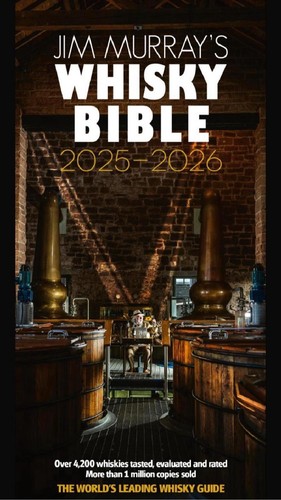 Whiskey reference booksJim Murray's Whisky Bible covers the widest range of bottlings. Fred Minnick's books are stronger on American whiskey history and production. Both are useful; they don't overlap much.
50ml sample bottlesShare samples without opening full bottles. Also useful for side-by-side comparisons of bottles you're evaluating before buying. Glass preferred over plastic for storage.
Whiskey reference booksJim Murray's Whisky Bible covers the widest range of bottlings. Fred Minnick's books are stronger on American whiskey history and production. Both are useful; they don't overlap much.
50ml sample bottlesShare samples without opening full bottles. Also useful for side-by-side comparisons of bottles you're evaluating before buying. Glass preferred over plastic for storage.