Duty rating: the one safety number that actually matters
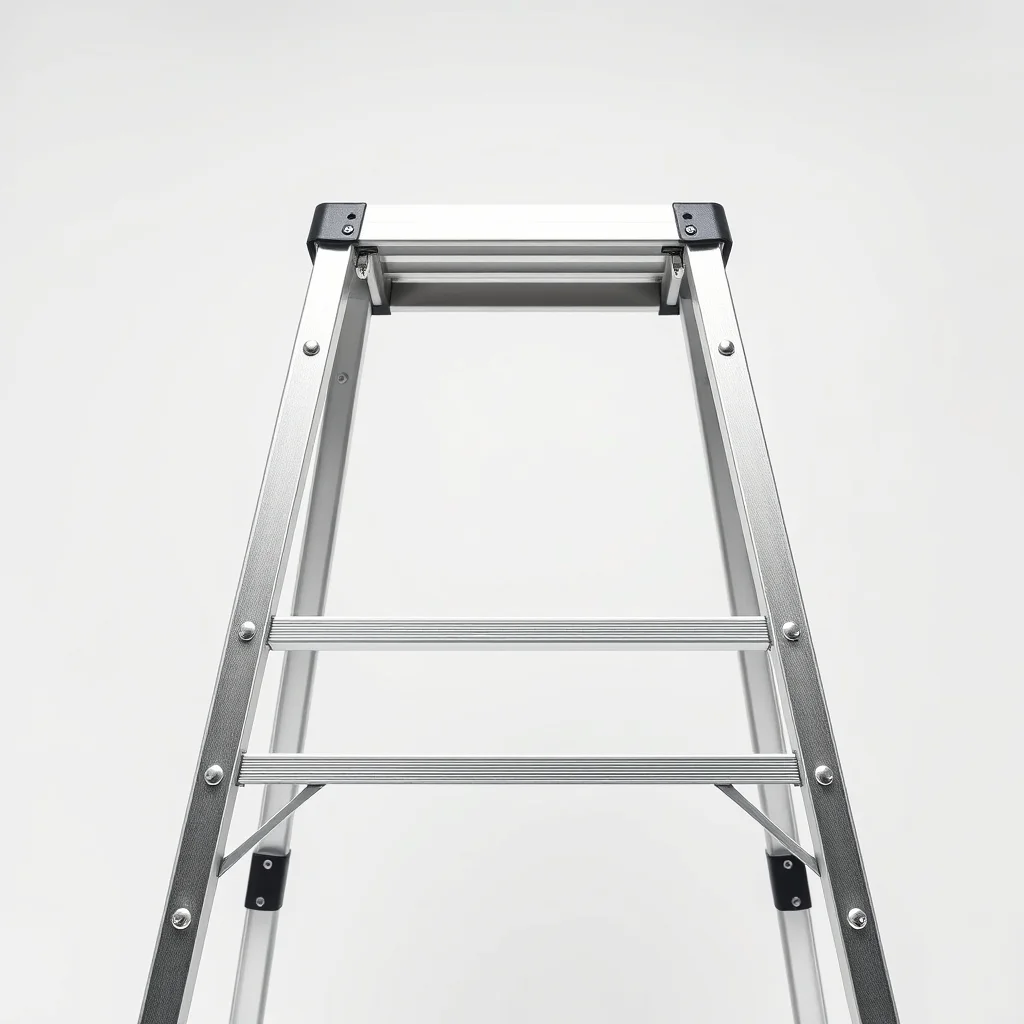
Duty rating is the maximum load capacity of a ladder — your body weight plus everything you carry up it (tools, materials, belt, clothing). ANSI ladder standards define four duty-rating categories for portable ladders:
| ANSI Type | Duty Rating | Intended Use |
|---|---|---|
| Type III | 200 lbs | Light household use only. Not appropriate for tools or heavy materials. |
| Type II | 225 lbs | Medium-duty commercial use. Painting, light maintenance, homeowner work without heavy tools. |
| Type I | 250 lbs | Heavy-duty industrial/construction use. Most trade professionals use this minimum. |
| Type IA | 300 lbs | Extra heavy-duty industrial. Higher safety margin; preferred for frequent use or heavy tool loads. |
| Type IAA | 375 lbs | Special duty, highest capacity. Required for the heaviest industrial applications. |
For most homeowners and tradespeople, the practical choice is between Type I (250 lb) and Type IA (300 lb). If you weigh 180 lbs and climb with 30–40 lbs of tools and materials, you need a minimum 220 lb capacity — Type I is adequate. If you are heavier, carry significant weight, or want a safety margin, Type IA is the appropriate choice.
Reach height vs ladder height: the math buyers miss
Ladder height and safe working height are not the same number. Here is how to calculate what you can actually reach:
Step ladders
ANSI standards prohibit standing on the top cap or the top two rungs of a step ladder. The safe working position is at most two rungs below the top. For a 6-foot step ladder, the safe standing height is roughly 4 feet (the fourth rung from the top), giving a reach height of approximately 10–11 feet for an average-height person. Rule of thumb: add 4–4.5 feet to the ladder's height rating to get approximate reach at the safe standing position.
Extension ladders
ANSI standards require the top three rungs of an extension ladder to extend above the landing surface (roofline, platform edge). Safe working height on an extension ladder is approximately 4 feet below the ladder's rated extended length. A 24-foot extension ladder safely works up to about 20 feet. For reaching a roof edge, add 3 feet of extension above the edge — so a 24-foot ladder reaches roof edges up to about 21 feet high.
Ladder types: step, extension, and multi-position
Step ladders
Self-supporting A-frame ladder. Does not require a wall or structure to lean against — it stands independently. Best for indoor work, painting, light bulb changes, accessing shelving. Standard sizes run 4–12 feet. Not appropriate for working against a structure (like a house exterior) where reaching out and up is required — the A-frame geometry limits your reach angle.
Extension ladders
Two-section ladder that leans against a structure. The fly section slides up along the base section and locks at height. No self-support — requires a leaning surface. Best for exterior work: gutters, roof access, siding, painting a two-story house, window work. The standard rule for safe lean angle is 1:4 — for every 4 feet of vertical height, the base should be 1 foot away from the structure. A 20-foot-high lean point requires the base 5 feet out from the structure.
Multi-position (articulating) ladders
Hinged ladder that configures as a step ladder, extension ladder, staircase ladder, or scaffolding base. The most versatile single-ladder option. Brands include Little Giant (original articulating design), Werner, and Louisville. The hinge locks at multiple angles. The trade-off is weight — multi-position ladders are heavier than a dedicated step or extension ladder of the same height, and the additional joints and hardware mean more to inspect and maintain.
Telescoping ladders
Collapses section by section to a compact stored length (typically 2.5–3.5 feet for a 12-foot ladder). Each rung section locks individually. Good for transport in a vehicle, storage in tight spaces, and job-site portability. Weight capacity and stability vary more by model than in traditional ladder types — look specifically for ANSI/EN131 certification and verify the locking mechanisms before climbing.
Aluminum vs fiberglass: the electrical hazard question
Aluminum ladders are lighter, less expensive, and easier to handle. Aluminum conducts electricity. If you are working near power lines, electrical panels, wiring, or any energized equipment, an aluminum ladder is a serious safety hazard.
Fiberglass ladders are non-conductive. They are heavier (typically 20–30% more) and more expensive. Required whenever there is any risk of contact with electrical sources. Professional electricians always use fiberglass; most contractors who work anywhere near electrical work use fiberglass as standard practice.
For strictly indoor or low-risk work (interior painting, attic access, light fixture replacement with power off), aluminum is adequate and the weight savings are meaningful for frequent movement. For any outdoor work near overhead lines, any electrical panel work, or any environment where electrification risk exists, buy fiberglass.
Shopping for ladders? Browse current eBay listings → (we earn a small commission; your price is unchanged).
Inspecting a used ladder
Used ladders carry real safety risk if they have been structurally compromised. A ladder that has taken a significant fall, been overloaded, or been exposed to chemicals may have internal cracks or fatigue in the rails or rungs that aren't visible. On any used ladder, inspect carefully before trusting it with your weight:
- Rails: No bends, cracks, dents, or corrosion (for aluminum, look for oxidation and pitting; for fiberglass, look for cracks in the gel coat or delamination)
- Rungs and steps: Firmly attached, no wobble, no cracks
- Hardware: Rope and pulley system on extension ladders should be intact; locks should engage and release smoothly without sticking
- Feet: Non-slip pads or boots should be intact and not worn smooth
- Spreader braces: On step ladders, the metal spreaders that lock the A-frame open should latch firmly and not flex
If any of these elements are compromised, do not use the ladder. The risk of a fall from height is not worth the cost savings of a compromised used ladder.
Weight and storage: practical considerations
Fiberglass 24-foot extension ladders typically weigh 55–70 lbs. Moving a 65-lb extension ladder from storage to a work position and adjusting it alone is physically demanding. If you will primarily use a ladder solo, weight matters. Aluminum options of the same length typically run 40–50 lbs — still significant.
Storage requires horizontal support — ladders stored vertically for extended periods can develop set (permanent bend) in the rails. Wall-mounted horizontal brackets or floor-based horizontal storage are preferable to leaning vertically against a wall long-term.
Common buying mistakes
- Underestimating needed height: Buyers frequently discover after purchase that they can't safely reach their target. Calculate your required reach height and work backward to the ladder height needed before buying.
- Buying Type II or III for general homeowner use: A 220 lb homeowner carrying tools is at or over the limit. Type I is the practical minimum for most adults doing actual work.
- Using aluminum near electrical: The most common preventable ladder safety error. If there is any electrical risk, fiberglass is mandatory.
- Standing on the top rungs: Step ladder top cap is not a standing surface. Extension ladder top three rungs are not standing rungs. Both are ANSI violations and high-fall-risk positions.
- Buying a multi-position ladder without accounting for weight: A Little Giant 22-foot model weighs 40+ lbs. If you need to carry the ladder up stairs or transport it frequently, the weight premium over a lighter step or extension ladder becomes significant.
The honest summary
For most homeowners, a 6-foot Type I fiberglass step ladder covers 80% of indoor tasks. If you ever need to access gutters, roofs, or high exterior work, add a Type I 24-foot aluminum extension ladder (or fiberglass if you have electrical risk). A multi-position ladder at Type IA is the best single tool for someone who needs both step-ladder and extension-ladder capability and is willing to manage the extra weight.
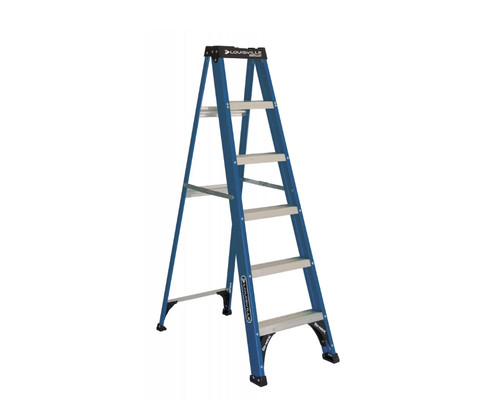 Step ladder 6 ft
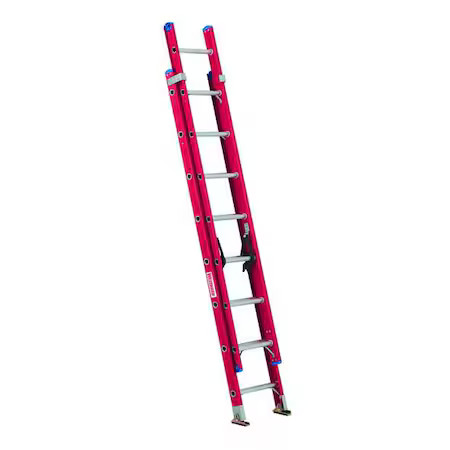 Extension ladder fiberglass
 Multi-position ladder