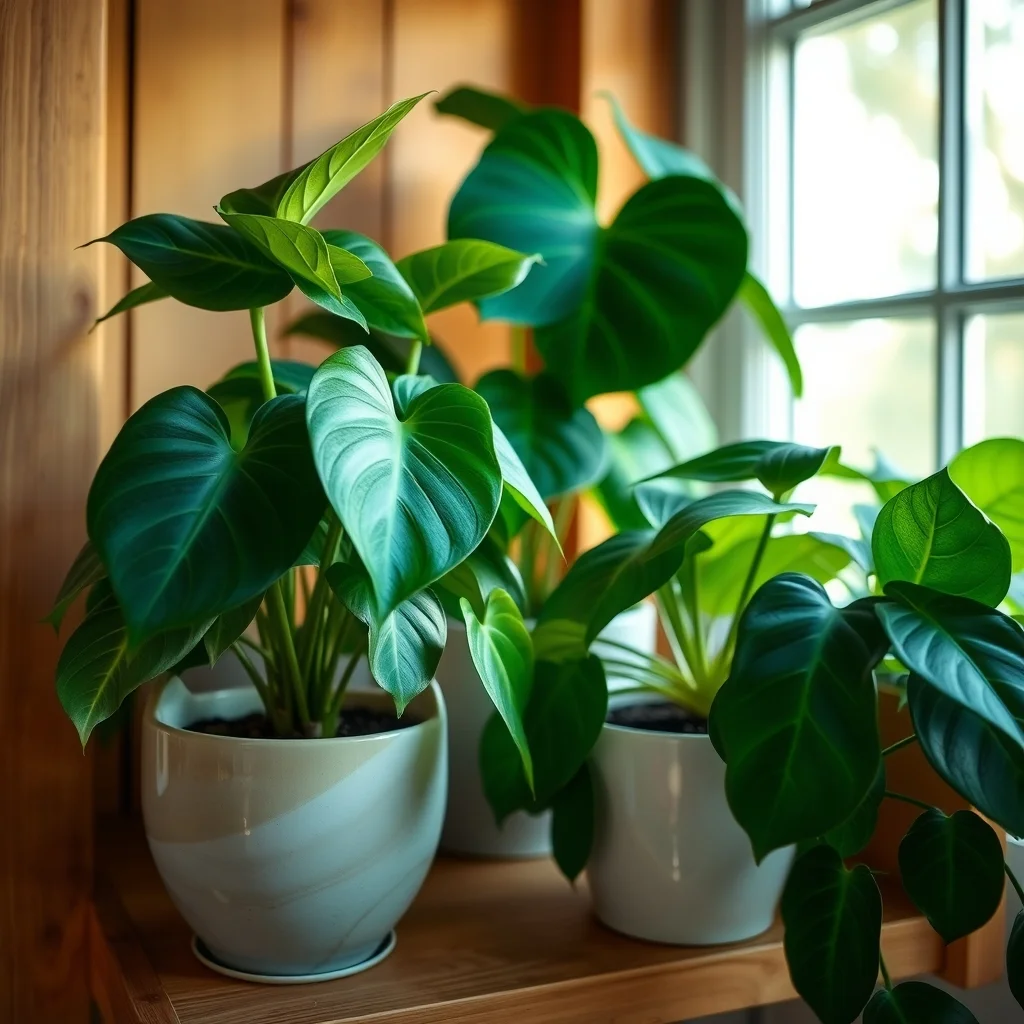
Start with light, not with the plant
The most common beginner mistake is choosing a plant based on appearance, then trying to adapt the environment. It works more reliably the other way: audit the light level in your space first, then select plants whose natural habitat matches that level.
Light for indoor plants is typically described in three categories — low, medium, and bright indirect. These descriptions are shorthand, and they mean different things than you might expect.
Low light
Low light does not mean no light. It means a space that receives no direct sun and sits more than six feet from a window, or in a north-facing room. Plants that genuinely tolerate low light include pothos (Epipremnum aureum), ZZ plant (Zamioculcas zamiifolia), snake plant (Dracaena trifasciata), and cast iron plant (Aspidistra elatior). These species evolved under forest canopy or in deeply shaded positions and have adapted to low photon flux.
Bright indirect light
Bright indirect light describes a space close to a south- or east-facing window where the sun never falls directly on the plant. A sheer curtain one to two feet from the glass approximates this. Most popular tropical houseplants — monsteras, philodendrons, peace lilies, fiddle-leaf figs — prefer this range. Fiddle-leaf figs (Ficus lyrata) are particularly unforgiving about inadequate light and are frequently sold to buyers whose spaces cannot support them.
Direct sun / high light
A south-facing window with no obstruction delivers direct sun for several hours daily. This suits succulents, cacti, and most herbs. It will bleach or burn the leaves of most tropicals unless they are acclimated gradually.
Watering: the single most common failure point
Overwatering kills more houseplants than underwatering. The phrase "overwatering" is slightly misleading — the damage comes not from adding too much water in a single session, but from watering again before the soil has dried out sufficiently. This keeps roots in a continuously wet environment with poor oxygen exchange, which creates conditions for root rot.
The soil check method
Rather than watering on a fixed schedule, probe the soil with a finger or a wooden chopstick to the first or second knuckle depth before watering. For most tropical foliage plants, water when the top 1–2 inches are dry. For succulents and cacti, wait until the soil is fully dry and the pot feels very light. For moisture-loving ferns or prayer plants (Maranta), water when the top half-inch is dry.
Drainage is non-negotiable
A pot without drainage holes will accumulate water at the bottom regardless of how carefully you water. Even if you never overwater, the bottom layer of soil stays saturated. Every plant mentioned in this guide should be in a container with at least one drainage hole, with a saucer or tray to catch runoff. If you want to use a decorative cache pot without holes, grow the plant in a standard nursery pot placed inside it, and empty the cache pot after watering.
Water quality
Most houseplants do fine with tap water, though some sensitive species (certain ferns, spider plants, dracaenas) show browning leaf tips if the water is heavily chlorinated or has high fluoride content. Letting tap water sit overnight dissipates chlorine. Filtered water or rainwater resolves fluoride issues. Softened water (sodium-based ion exchange) is not recommended — the sodium accumulates in the soil over time.
Potting mix: what the plant actually grows in
Standard all-purpose potting mix works for a wide range of foliage plants, but it is not appropriate for all species. The key variable is drainage speed.
| Plant type | Potting mix approach | Amendment to add |
|---|---|---|
| Tropical foliage (pothos, philodendron, monstera) | Standard mix is fine | Perlite at 20–30% by volume improves drainage |
| Succulents and cacti | Dedicated cactus/succulent mix | Or standard mix + 50% coarse perlite or pumice |
| Orchids (epiphytic) | Bark-based orchid mix, not potting soil | Aerial roots need airflow, not dense media |
| Ferns and moisture-lovers | Standard mix + peat or coco coir | Retains moisture longer between waterings |
| African violets | African violet mix (coarser, slightly acidic) | Standard mix tends to stay too wet |
Perlite is the white volcanic glass granule common in commercial mixes. It adds no nutrients but dramatically improves drainage and aeration. It is inexpensive and widely available. Pumice performs similarly but is heavier. Both are effective for amending a too-dense mix.
Pots: material choices and what they mean
Pot material affects the rate at which the growing medium dries between waterings, which in turn affects your watering frequency and the margin for error.
Terracotta
Unglazed terracotta is porous. Water and air pass through the walls, which accelerates drying. This is excellent for succulents, cacti, and any plant prone to root rot in wet conditions. It means you will water more frequently, but the plant is more forgiving if you overdo it occasionally. Terracotta is also heavy, stable, and biodegradable. The main drawback is fragility — a drop typically cracks it.
Glazed ceramic and plastic
Both retain moisture significantly longer than terracotta because the walls are impermeable. This benefits moisture-loving tropicals but increases the risk of root rot for species that need to dry out fully between waterings. Plastic pots are lighter, often less expensive, and commonly used in commercial nurseries. The drainage hole is more important here since the soil has fewer paths to shed excess water.
Sizing
Pot size matters. A container that is significantly larger than the root ball holds more soil than the roots can draw from, which means the outer soil stays wet while the plant only uses moisture near the center. This is a common route to root rot. When repotting, step up pot diameter by roughly one to two inches at a time.
Shopping for houseplants and pots? Browse current eBay listings → (we earn a small commission; your price is unchanged).
Buying live plants: what to inspect
Whether buying from a local nursery or online, a few quick checks reveal whether a plant is healthy or stressed before you bring it home.
Inspect the foliage
Look for firm, uniformly colored leaves without yellowing, browning edges, or spotting. Some minor leaf loss is normal during shipping or adjustment. What you want to avoid are multiple yellowing leaves (often root rot or overwatering), crispy brown leaf edges across the plant (underwatering or fluoride/salt burn), or small moving dots on the undersides of leaves (spider mites).
Check the root zone
At a nursery, gently lift or tip the plant to see if roots are emerging from the drainage hole. Heavily root-bound plants (dense coil of white roots circling the outside of the root ball) need repotting soon but are not damaged. Root rot presents as brown, soft, or mushy roots that may smell foul. Healthy roots are firm and typically white, cream, or tan depending on species.
Check for pests
Common houseplant pests worth checking for at point of purchase: fungus gnats (tiny flies hovering around the soil surface — eggs are in the top inch of moist soil), mealybugs (white cottony clusters in leaf axils or on stems), scale insects (small brown or tan bumps on stems that do not move), and spider mites (fine webbing on leaf undersides, especially in dry conditions).
Buying online
Online live plant purchases ship bare-root or in nursery pots. Established sellers typically pack with cardboard sleeves and heat packs in cold weather. Look for sellers with high feedback specifically on live plant sales and a clear replacement policy. Expect some transit stress (wilting, minor leaf loss) that resolves within one to two weeks once the plant is in a stable environment.
Common problems and what actually causes them
Yellow leaves is the symptom most beginners diagnose as underwatering. It is more commonly overwatering, root rot, or a natural lower-leaf turnover cycle. Before adding water to a yellowing plant, check the soil moisture and examine the root ball if symptoms are progressing quickly.
Leggy, stretched growth (long internodes between leaves) indicates the plant is reaching for light. Increase light intensity or duration rather than increasing fertilizer, which will not resolve an insufficient light situation.
Brown leaf tips on otherwise healthy plants often indicate low humidity, inconsistent watering, or fluoride/salt accumulation. Grouping plants together, adding a pebble tray with water beneath pots (without the pot sitting in water), or running a humidifier raises ambient humidity for tropical species that prefer 50% or above.
Soil that dries within a day or two of watering in a medium-sized pot typically indicates that the plant is severely root-bound and needs a larger container. The roots have displaced so much soil that there is very little water-holding medium remaining.
The reasonable starting plant list
If you are new to houseplants and want species with the highest probability of success across varying indoor conditions, these consistently perform well for beginners:
- Pothos (Epipremnum aureum): Tolerates low light, infrequent watering, and neglect better than nearly any other common houseplant. Grows readily in water propagation. Multiple cultivars (golden, marble queen, neon, n'joy).
- ZZ plant (Zamioculcas zamiifolia): Stores water in rhizomes. Can tolerate weeks without watering. Handles low light. Slow-growing but nearly indestructible.
- Snake plant (Dracaena trifasciata, formerly Sansevieria): Low water needs, tolerates low to medium light, structural appearance. Avoid overwatering — root rot is the main failure mode.
- Spider plant (Chlorophytum comosum): Medium light, moderate watering. Produces runners with small plantlets that are easily propagated. Tolerant and forgiving.
- Peace lily (Spathiphyllum): One of few flowering plants that performs in low to medium light. Droops dramatically when thirsty, then recovers quickly after watering — a self-reporting watering indicator.
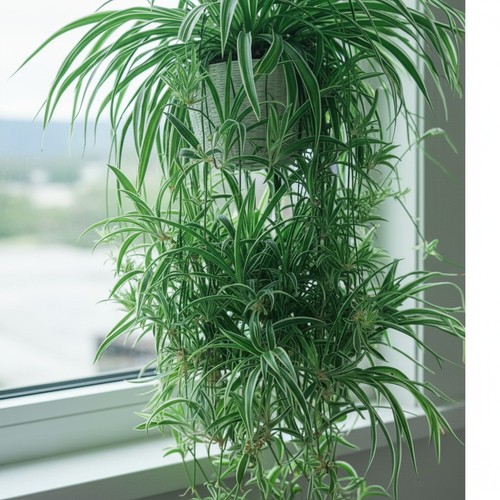 Live indoor houseplants
 Pothos live plant
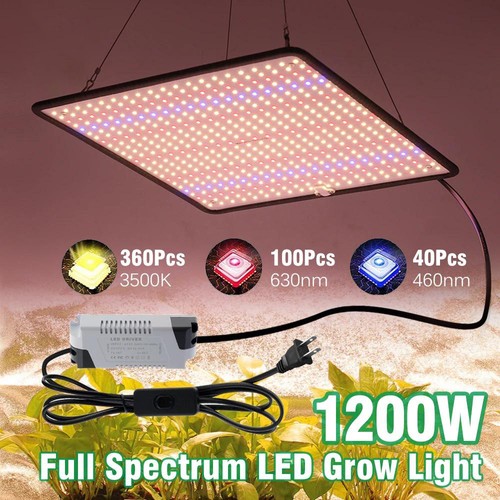 Plant grow lights
 Indoor plant pots