Steam output: the spec that actually determines performance
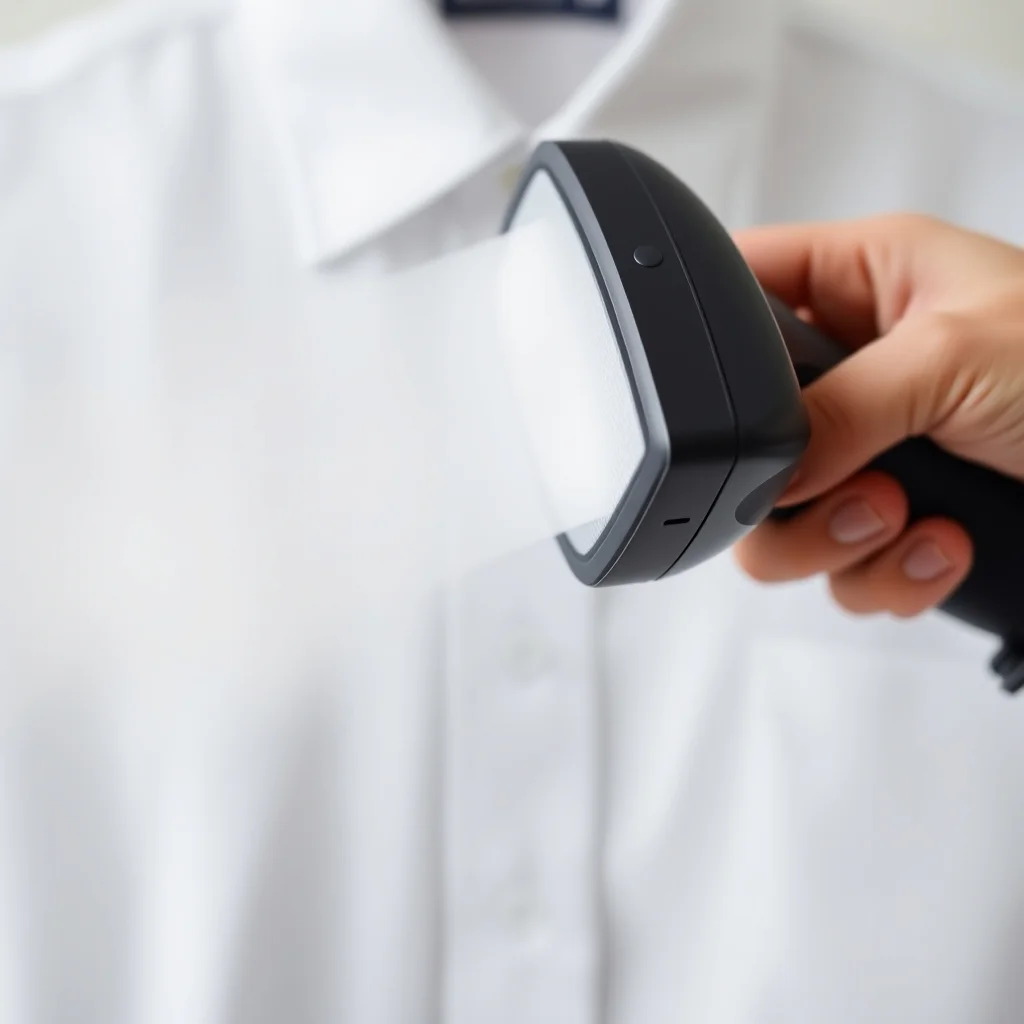
Steam output — measured in grams of steam produced per minute (g/min) — is the most direct indicator of how quickly a garment steamer removes wrinkles. Higher output means more steam delivered to the fabric per second, which relaxes fibers faster and reduces the number of passes required to de-wrinkle a garment.
Listings typically lead with wattage (1200W, 1500W, 1800W). Wattage tells you how much power the machine draws; it doesn't tell you how efficiently that power is converted to steam output. A well-designed 1200W boiler system can produce more steam per minute than a poorly designed 1800W system, because heating element design, boiler size, and pressure management all affect the output/watt ratio.
| Steam output | Typical application | Notes |
|---|---|---|
| Under 15 g/min | Travel and touch-up steamers | Effective on light wrinkles in thin fabrics; multiple passes needed on heavier fabrics |
| 15–25 g/min | Home handheld and compact standing steamers | Adequate for most everyday garments; slower on structured jackets and heavy cotton |
| 25–40 g/min | Mid-range standing steamers | Practical for full-wardrobe sessions; handles most fabric types in one or two passes |
| 40+ g/min | Professional and commercial-class steamers | High throughput for boutiques, alterations rooms, photo shoots, or heavy-use households |
Tank capacity, runtime, and refill design
Tank capacity (measured in milliliters or liters) determines how long the steamer runs before you need to refill. The relationship between tank size and runtime depends on steam output: a high-output machine depletes its tank faster than a low-output machine of the same tank size.
Runtime math: 1ml of water produces approximately 1.7 liters of steam. For practical purposes, a tank capacity in milliliters divided by the output in g/min gives a rough runtime in minutes. A 300ml tank on a 20 g/min machine provides approximately 15 minutes of continuous steam. The same 300ml tank on a 35 g/min machine provides about 8.5 minutes.
| Tank size | Typical steamer type | Approximate runtime at 20 g/min |
|---|---|---|
| 100–200ml | Handheld / travel | 5–10 minutes |
| 300–500ml | Compact home standing or larger handheld | 15–25 minutes |
| 1.0–1.5L | Full-size standing steamer | 50–75 minutes |
| 2.0L+ | Professional standing steamer | 100+ minutes |
Refill design: hot vs cold water refill
Some steamers allow refilling mid-session with the machine still hot; others require the boiler to cool before adding water. Hot-refill capability is a genuine convenience feature for high-volume use — having to wait 10–15 minutes for a boiler to cool before refilling interrupts workflow. Verify whether the specific model supports hot refill before purchasing if extended sessions are typical for you.
Removable vs fixed tanks: a removable tank lets you take the tank to a sink for filling rather than carrying the whole machine. Practical advantage for standing steamers kept in a closet or sewing room away from a water source.
Heating time
Heating time — the time from power-on to first steam production — varies significantly between machine types. Most home steamers heat in 30 seconds to 2 minutes; professional models with larger boilers may take 3–5 minutes. Handheld travel steamers with small tanks typically heat in 20–45 seconds due to their small boiler volume.
For daily use where the steamer is pulled out and put away frequently, a 45-second heat time vs a 3-minute heat time is a meaningful workflow difference. For a dedicated session where the steamer stays on for an hour, heating time matters less. Weight it accordingly.
Handheld vs standing: choosing the right form factor
The form factor decision comes down to how you use the steamer, how much you use it, and where you use it.
Handheld steamers
Handheld steamers are compact, typically weighing under 1kg with tank, and require no setup beyond filling the tank and waiting for heat. They're the right choice for:
- Travel — lightweight, packable (with empty tank), fast heat time
- Apartment or small-space use where storage is limited
- Occasional quick touch-ups rather than systematic wardrobe steaming
- Users who steam individual items rather than batches
The limitation is runtime: small tanks (100–300ml) typically provide 10–15 minutes of steam, which may require multiple refills to process a full outfit. Holding a handheld steamer above waist height for an extended session creates arm fatigue in a way standing steamers don't.
Standing steamers
Standing steamers have a floor-based unit (housing the boiler and tank) connected via a flexible hose to a handheld steam head. The floor unit holds the weight and heat; you hold only the lightweight steam head. This configuration eliminates arm fatigue for extended sessions and allows larger tanks (typically 1–2L).
Shopping for garment steamers? Browse current eBay listings → (we earn a small commission; your price is unchanged).
Standing steamers make sense for:
- Regular sessions involving multiple garments (5+ items per session)
- Users who steam structured garments like blazers, wool coats, or dress shirts
- Sewing workrooms where the steamer is used daily to press seams or block knits
- Boutiques or alterations shops
Trade-offs: larger footprint, more expensive, takes longer to position and put away, requires floor space during use. Most standing steamers include a built-in garment rod or clamp for holding the garment during steaming — a practical feature that eliminates the need to hold both garment and steam head simultaneously.
Fabric safety: what you can and can't safely steam
Steaming is gentler than ironing for most fabrics because there's no direct contact pressure — the steam relaxes fiber bonds without the mechanical pressure of an iron plate that can flatten pile, distort weave, or scorch delicate materials. However, not all fabrics respond well to steam.
| Fabric | Steaming safety | Notes |
|---|---|---|
| Cotton, linen | Safe | Responds very well to steam; most wrinkles relax easily. For crisp creases (trouser pleats), an iron is more effective. |
| Wool, cashmere | Safe (preferred) | Steam is the preferred method — iron contact can flatten or shine wool fibers. Hold steamer slightly away from the fabric surface rather than touching. |
| Silk, satin | Safe with care | Use light output and keep steamer head moving. Test a hidden area. Water spots can occur if the head deposits droplets instead of dry steam. |
| Synthetic (polyester, nylon) | Safe at low output | High-output steamers at close range can cause synthetic fabric to distort or melt. Keep head moving and maintain some distance. |
| Velvet, velour | Safe (preferred) | Steam with fibers facing down, steam from reverse to raise the pile. Iron contact crushes velvet permanently. |
| Waxed or treated fabrics | Avoid | Steam can damage or remove wax coatings and DWR treatments on technical outerwear. |
| Leather, suede | Avoid | Steam can cause water spotting, stiffening, or distortion. Use specialist leather care products instead. |
Steam head design and accessories
The steam head is the point of contact between the machine and your garment. Most home steamers include a single general-purpose head. Better machines and professional models may include:
- Fabric brush attachment: Bristle head that lifts pile on velvet and wool while steaming — more effective than a flat head for these fabrics
- Crease attachment: Clips to the steam head to guide a crease into trousers or structured seams without touching the fabric directly
- Lint brush attachment: Removes surface lint while steaming — useful but not essential
For most users, accessory count doesn't meaningfully differentiate steamers. The core performance question is steam output and tank capacity.
Water quality and scale buildup
Garment steamers develop scale (mineral deposits) inside the boiler when used with hard water. Scale reduces steam output over time as the boiler surface area available for heat transfer decreases, and can eventually block the steam head. Most manufacturers recommend distilled or demineralized water, particularly in hard-water areas.
Descaling frequency depends on water hardness and usage. Most manufacturers include descaling instructions and recommend a cycle (white vinegar or commercial descaling solution) every 1–3 months for regular use. A steamer that's easy to descale — with a wide tank opening or a removable scale filter — is easier to maintain than one requiring the entire boiler to be flushed through the steam head.
The honest buying framework
For occasional touch-ups and travel: a handheld steamer with 15–20 g/min output and a 200–300ml tank is the right tool. Expect to refill during a full outfit. The trade-off — small size and fast heat time — is worth it for infrequent use.
For regular home use on 3–10 garments per session: a standing steamer with 25–35 g/min output and a 1–1.5L tank handles a full session without refilling. The larger form factor is a worthwhile trade for the reduction in arm fatigue and the significantly longer runtime.
If you're a sewist using a steamer for pressing seams or blocking knits: evaluate standalone steam irons or professional garment steamers with high output. For pressing (where you need flat contact pressure on seam allowances), a steam iron outperforms a garment steamer. For blocking knits or steaming finished garments before fitting, a steamer is appropriate.
 Standing garment steamer
 Handheld clothes steamer
 Professional garment steamer