
The three call categories and their skill trade-offs
Before breaking down by species, it helps to understand the three main call operation types and what each demands from the hunter.
Friction calls
Friction calls produce sound by one surface moving against another — slate against a striker, wood against wood (box calls), or a scratch box. Turkey pot/slate calls and box calls fall here. Friction calls are generally the most forgiving for beginners: you can hear the sound you're producing, correct it in real time, and achieve realistic tones with modest practice. They require hand movement to operate, which can matter in close-quarters hunting situations where movement spooks game.
Mouth calls (diaphragm, reed, tube)
Mouth calls use air and tongue/palate pressure to vibrate a reed or membrane, producing sound without hand movement. Turkey diaphragm calls, duck calls, elk diaphragm calls, and deer grunt tubes all involve manual breath control. Deer grunt tubes are mouth-operated but simple. Duck calls and elk mouth diaphragms are significantly harder to make sound realistic.
The skill ceiling on mouth calls is higher than friction calls, but so is the payoff: you can call with your hands fully on your weapon, ready to shoot. For close-range bowhunting situations where an animal is within 20 yards, the ability to call without detectable movement is a real advantage.
Electronic callers
Electronic callers play pre-recorded sounds through a speaker — typically via a wireless remote unit placed away from the hunter. They produce perfect tone every time with zero skill requirement, and can play sounds outside a human's physical ability to reproduce. The trade-offs: price, legality (illegal for turkey hunting in most states, check regulations before purchase), noise level (some electronic callers are audible at distances that can alert game), and the need for batteries or charging.
Deer calls: the most forgiving category
Deer have less-critical hearing for unnatural tones than turkeys, ducks, or elk. A deer grunt that's slightly off in pitch or timing is less likely to spook a buck than the equivalent mistake in turkey or duck calling. This makes deer calls among the most approachable for beginners.
Grunt calls
Tube-style grunt calls imitate buck vocalizations used during the rut for location and dominance communication. Single-tube grunts are simple: exhale through the reed to produce a basic contact grunt. Variable-pitch tubes with an adjustable reed can produce a wider range of sounds from doe bleats to deep tending grunts. For most whitetail hunters, a quality adjustable grunt tube is the single most versatile deer call.
Doe bleats and fawn bleats
Doe bleats (can calls or bleat tubes) attract bucks during the rut by imitating a doe in estrus. Fawn bleats are extremely high-pitched and can attract does — useful for bringing does into range for harvest or for attracting bucks that approach responding does.
Antler rattling
Technically percussion rather than a call, rattling antlers (real or synthetic) simulate buck fighting and can attract dominant bucks during the rut. Most effective during the peak rut in areas with good buck-to-doe ratios. Overbowed areas with low buck populations respond less reliably to rattling because dominant bucks have little competition to investigate.
Turkey calls: the most skill-variable category
Turkeys are among the most difficult game to call convincingly. Hens communicate constantly with complex vocalizations, and a gobbler that hears something unnatural may hang up, circle, or leave. Call selection has a real impact on success.
Box calls
The easiest turkey call to learn. The paddle rubbing the box lip produces yelps, clucks, and purrs with a relatively small amount of practice. Downsides: bulky, requires two hands to operate, susceptible to moisture (wet box calls squeak or lose tone — carry in a waterproof bag). A good starting call for new turkey hunters.
Pot and slate calls
A striker against a pot surface (slate, glass, crystal, or aluminum) produces highly realistic turkey sounds and is more versatile in volume than box calls. Glass and crystal pot calls carry farther and work in wet weather better than slate. Moderately skill-demanding — the stroke angle, pressure, and speed all affect the sound. Intermediate-level call.
Diaphragm (mouth) calls
No hand movement required — ideal for close-range bowhunting when a gobbler is approaching and any movement is a risk. The hardest turkey call to learn: requires correct tongue placement and air pressure to produce a clean yelp without squeaking. Most hunters need 15–30+ hours of practice before achieving field-ready tones. Worth the learning curve for dedicated turkey hunters who bowhunt.
Shopping for game calls? Browse current eBay listings → (we earn a small commission; your price is unchanged).
Duck calls: double-reed vs single-reed
Duck calling separates into two major reed configurations with meaningfully different skill demands:
Double-reed calls
Two reeds stacked together produce a raspier, more forgiving sound. Double-reed calls are harder to blow "wrong" — they produce a recognizable duck sound even with imprecise technique. Most beginner duck callers start here. The trade-off is limited volume ceiling and tonal range compared to single-reed.
Single-reed calls
One reed requires more precise air pressure and back-pressure technique to produce a clean sound. In the right hands, single-reed calls produce more volume, more tonal variation, and a cleaner high-end sound that carries farther across open water. The standard call for experienced callers and competition calling. Takes significantly more practice to produce a realistic sound without squeaking or overblowing.
Call material: acrylic vs wood
Acrylic-bodied duck calls maintain tone in wet, cold conditions — wood can swell and change sound characteristics in damp weather. Acrylic is louder and cleaner-sounding in most conditions. Wood calls have a warmer, softer tone that some callers prefer for close-range hunting in timber. For open-water and flooded field hunting, acrylic is the practical choice.
Elk calls: the highest skill demand
Elk are intelligent, vocal, and quick to identify unnatural sounds. Badly executed elk bugles or cow calls in high-pressure hunting areas can educate bulls and end their responsiveness for days. The stakes of calling poorly are higher than for most other game.
Cow calls (estrus and contact)
Cow calls — either external diaphragm-and-tube systems or mouth diaphragm calls — are generally more forgiving than bugling for beginners. A cow mew or estrus chirp with slight inaccuracies still attracts bulls during the rut. Recommended starting point for hunters learning to call elk.
Bull bugles
External bugle tubes (a tube that amplifies a mouth diaphragm sound) produce the full bugle sound that locates bulls and can provoke challenge responses. The realistic bugle involves a startup grunt, a high-pitched whistle, and a guttural chuckle at the end — each element requiring practice. Flat or incomplete bugles in heavily hunted areas often push bulls away rather than draw them in.
Electronic callers for elk
Electronic elk callers are legal in most western states (verify local regulations). The advantage for elk is significant — a recorded bull bugle or cow call from a wireless remote placed 50–100 yards from the hunter draws elk to the caller while the hunter waits at distance, eliminating the sound-location problem that leads elk toward the caller's position rather than the shooter's.
Predator calls: where electronic callers are most effective
Coyote, fox, and bobcat hunting is the application where electronic callers provide their most compelling advantage over mouth calls. Distress sounds from dying rabbits, birds, or rodents work across a wide range of conditions and can be played from a remote speaker placed away from the shooter — critical because predators try to circle downwind of the sound source before committing.
Open-reed mouth distress calls
The simplest predator call — a squeeze or blow produces a distress squeal. Inexpensive, requires no batteries, and produces the cottontail or jackrabbit distress sounds that work on coyotes. Volume is limited but adequate for most calling distances under 200 yards in calm conditions.
Electronic predator callers
Multi-sound electronic callers with wireless remote operation are the standard for serious predator hunters. Advantages: you can place the speaker in a different location than your shooting position (predators come to the sound, not you), play dozens of sounds including howls that attract coyotes from farther distances, and adjust volume to reach distant animals. Battery life is the main practical consideration — many units run 8–20 hours on a charge.
| Species | Best beginner call | Best advanced call | Electronic legal? |
|---|---|---|---|
| Deer | Adjustable grunt tube | Antler rattling + grunt combo | Yes, most states |
| Turkey | Box call | Mouth diaphragm | Typically NO — verify by state |
| Duck | Double-reed acrylic call | Single-reed, custom call | Yes, check federal/state rules |
| Elk | Cow call (external tube) | Mouth diaphragm + bugle tube | Yes, most states |
| Predator | Open-reed mouth distress | Wireless electronic caller | Yes, check state regulations |
Game calls worth looking at on eBay
We earn a small commission on qualifying sales; your price is unchanged. Full disclosure.
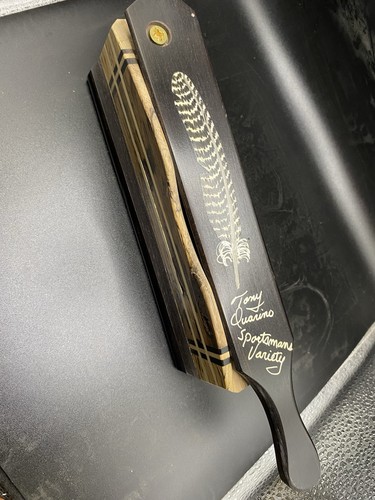 Turkey callBox, pot, and mouth diaphragm options for spring and fall turkey.View on eBay →
 Deer grunt callMost forgiving call to learn. Rut season standard for whitetail.View on eBay →
 Predator callDistress sounds for coyotes, foxes, and bobcats. Electronic callers shine here.View on eBay →
 Elk bugle callMost skill-demanding call. Start with cow calls before bugling.View on eBay →