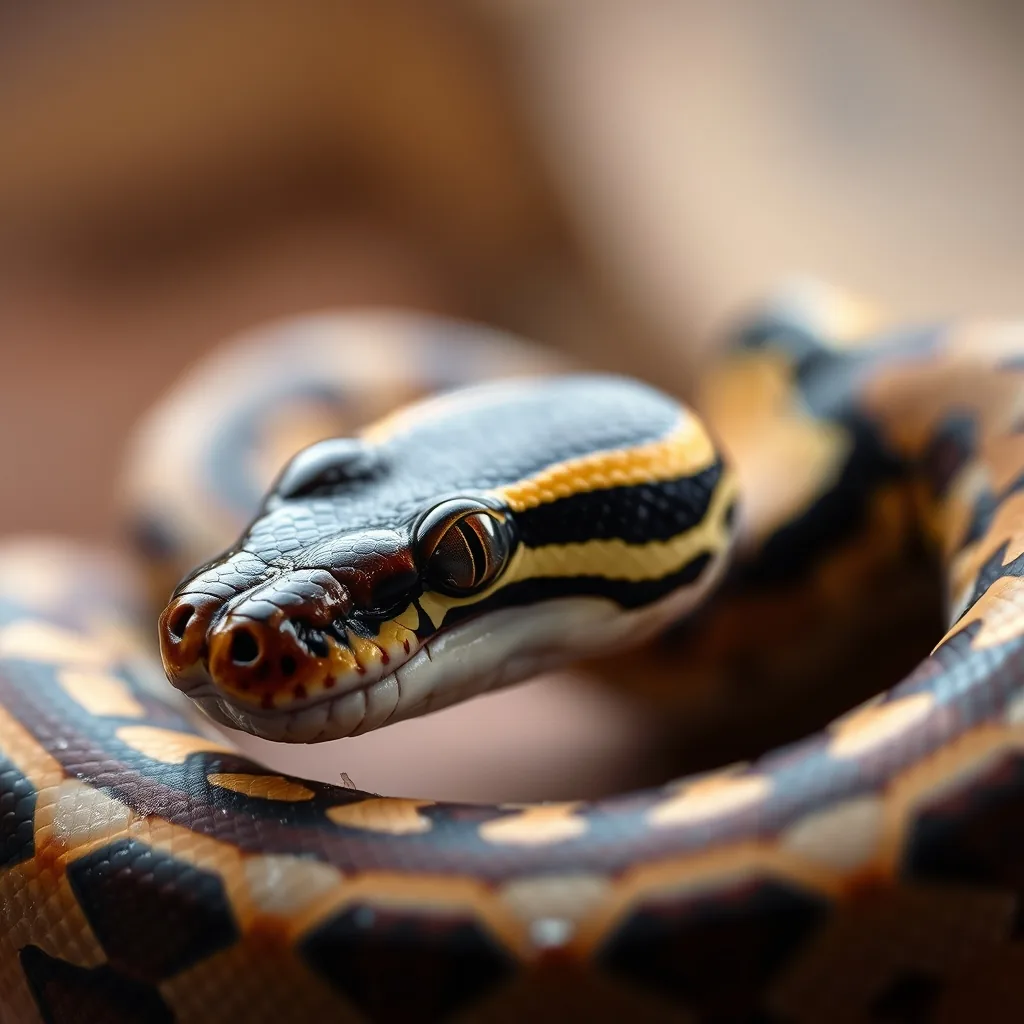
Ball pythons come from West and Central Africa — a region where humidity rarely drops below 60% and regularly exceeds 80% during the rainy season. In captivity, this creates a problem that new keepers consistently underestimate: hitting the target humidity number is straightforward in a humid climate during summer. Holding it in a centrally heated house in January, in a dry-climate state, while maintaining the correct temperature gradient, is a substantially harder engineering problem.
The three main tools are substrate moisture retention, misting, and humid hides. Each does a different thing, has different failure modes, and suits different enclosure types. Using all three without understanding what each one contributes is common, and it leads to inconsistent results — and confusion when something that "worked" in August stops working in December.
Why 60% Is Harder Than It Looks
Relative humidity is a ratio — the amount of water vapor in the air divided by the maximum the air can hold at that temperature. This is the important part: warmer air holds more water vapor. When you heat an enclosure, the capacity for water vapor increases, so the relative humidity drops even if the absolute amount of water in the air stays the same.
A practical example: your house in January has indoor air at 30% relative humidity because your heating system is bringing in cold dry outside air and warming it. That warm dry air infiltrates the enclosure every time you open it, and it pulls moisture from the substrate. Your hygrometer was reading 65% in October without any effort. Now it reads 45% and you cannot figure out why nothing changed.
What changed is the air outside the enclosure. This is why winter humidity management requires active intervention that summer did not.
Method 1: Substrate
Substrate is the baseline method. A moisture-retentive substrate stays damp after an initial saturation, slowly releasing water vapor into the enclosure air and passively maintaining humidity without any recurring effort. This is the most hands-off approach and, for most ball python setups, the most reliable one.
Which substrates hold moisture
- Coconut fiber (coco coir): The most widely available moisture-retentive substrate. Sold compressed in bricks, expanded with water. Holds moisture well and resists mold better than many alternatives. Suitable alone or mixed. Fine texture is appropriate for ball pythons; the coarser chip versions are less effective at humidity retention.
- Cypress mulch: Widely used by experienced ball python keepers. Holds moisture effectively, naturally inhibits mold and bacterial growth due to its organic compounds, and is inexpensive in bulk bags from garden centers. The same product is sold at reptile specialty prices under reptile-specific branding; the generic garden version is identical in function.
- Topsoil and sand mixes: Used in naturalistic setups. Effective but heavier and more complex to maintain than coco fiber or cypress. More relevant for large enclosures and bioactive setups than basic keeper setups.
- Aspen shavings: Common recommendation in older care sheets, but wrong for humidity management. Aspen dries quickly, does not hold moisture, and goes moldy when kept damp. It is appropriate for snakes with low humidity requirements like corn snakes, not for ball pythons.
- Paper towels and newspaper: Used during quarantine and for monitoring new animals. No meaningful humidity retention. If you are using paper towels as substrate and wondering why humidity is low, that is most of the explanation.
How to use substrate for humidity
The substrate should be damp at the deeper layers but not soaking wet at the surface. A useful test: squeeze a handful of substrate. It should hold together slightly and feel cool and damp, but no water should drip from it. Surface moisture promotes respiratory infections from bacteria; substrate moisture at depth is what you want.
Depth matters. Two inches of substrate holds less total moisture and dries faster than four inches. For a standard 36×18 enclosure, four to six inches of substrate provides substantially more humidity buffer than the two-inch layer common in minimalist setups.
Where substrate alone fails
In very dry air conditions — heated indoor air in winter below 30% ambient relative humidity — even saturated moisture-retentive substrate will lose humidity faster than it can maintain the target range. The enclosure loses water to the room faster than the substrate buffers it. In these conditions, substrate is necessary but not sufficient.
Method 2: Misting
Misting raises humidity quickly and temporarily. It is the reactive tool — used when humidity has dropped and you need to bring it back up, or as a recurring addition to substrate maintenance in dry conditions.
What misting actually does
When you spray water into an enclosure, you are adding water vapor directly to the air and depositing water droplets on surfaces that then evaporate. Humidity spikes immediately after misting and then drops back down over several hours as the added water evaporates out of the enclosure or is absorbed into the substrate. The spike and drop curve is faster with mesh enclosure tops (higher air exchange) and slower with partially covered tops.
Misting does not permanently raise humidity. It raises humidity until the added water is gone. In a dry-air winter environment, this may mean misting once or twice per day to maintain the target range.
Manual vs automatic misting
Manual spray bottles work. The practical limitation is consistency — missing a misting when humidity has dropped and the snake is in shed can result in a retained shed (dysecdysis), which is the most common consequence of insufficient humidity. Automatic misters (foggers, drippers, or timed pressure misters) remove the consistency problem at the cost of setup complexity and additional equipment to clean.
For keepers with more than two or three snakes, automatic systems are worth the investment. For a single-snake setup, a spray bottle and the habit of checking humidity daily is adequate if you actually maintain the habit.
Where misting fails
- In mesh-topped enclosures in dry conditions. Misting a fully screened enclosure in low-humidity air provides a humidity spike that dissipates in under an hour. You would need to mist many times a day to maintain 60%, which is impractical and over-wets the enclosure.
- As a substitute for substrate when the substrate is bone dry. Misting on top of dry aspen or paper towels adds surface moisture without the buffering capacity of a properly set up substrate layer. The humidity spike is shorter-lived.
- When the keeper is inconsistent. A manual misting schedule is only as reliable as the person maintaining it.
Method 3: Humid Hide
A humid hide is an enclosed hide box with a moisture-retentive substrate inside — typically sphagnum moss — that maintains a localized high-humidity microclimate within the enclosure. The snake can access this microclimate when it needs higher humidity, particularly during shed.
Why humid hides matter
Ball pythons in the wild retreat into burrows and termite mounds that maintain high humidity even when surface conditions are dry. In captivity, a humid hide replicates this. Even in an enclosure where ambient humidity is lower than ideal, a well-constructed humid hide allows the snake to thermoregulate its hydration by choosing when to spend time in the high-humidity zone.
This has practical significance: a keeper who is struggling to maintain 60% ambient humidity in a dry winter apartment can partially compensate by ensuring the humid hide is reliably at 80%+. The snake will use it. This is not ideal husbandry — ambient humidity should still be addressed — but it prevents the worst outcomes, particularly retained sheds.
Building an effective humid hide
- Container: Any enclosed box with a small entrance hole. Plastic food containers, commercial hide boxes, or repurposed containers all work. The key is that it is enclosed, not open-topped. An open-topped hide loses humidity immediately.
- Substrate: Sphagnum moss is the standard. It holds water exceptionally well, releases it slowly, and has natural antimicrobial properties that extend the time between changes. Coco fiber also works but holds less water per volume than sphagnum.
- Moisture level: The moss should be damp but not dripping. Squeeze out excess water before placing it. The inside of the hide should feel humid when you open it, not wet.
- Placement: On the warm side of the enclosure. Ball pythons use their humid hide most actively before and during shed, and the warm-side placement supports both humidity and thermoregulation simultaneously.
Where humid hides fail
A humid hide that is not maintained dries out and becomes useless. Sphagnum moss in a warm enclosure can go from appropriately damp to bone dry in three to five days depending on enclosure conditions. Check and re-wet the hide on a regular schedule, not only when you notice shed problems.
A humid hide also does not compensate for dangerously low ambient humidity — below 40% for extended periods. The snake cannot live in the humid hide; it needs to move around the enclosure to thermoregulate, feed, and explore. Ambient humidity must be addressed.
What 60% Actually Means in Winter
The target range for ball pythons is 60–80% ambient relative humidity, with the humid hide at 80–90% during shed. In practice, 60% is a floor, not an average. Many keepers maintain 70% as a baseline because it provides more buffer against fluctuation.
In winter heating season in a dry climate, reaching 60% ambient humidity in an enclosure with a mesh top, paper towel substrate, and no additional moisture management is genuinely difficult. The room air may be at 20–30% relative humidity. The temperature gradient you are maintaining actively dries the enclosure. Every door opening exchanges humid enclosure air with dry room air.
The solutions, roughly in order of effectiveness for winter conditions:
- Switch to a more enclosed enclosure. A PVC or glass enclosure with a partially or fully covered top dramatically reduces air exchange with the room, making the humidity inside much easier to control. Mesh-top enclosures optimized for chameleons are poorly suited to ball pythons in dry climates.
- Use a deep moisture-retentive substrate. Four to six inches of cypress mulch or coco fiber provides a significant moisture buffer. This is the single most effective change for most setups.
- Run a room humidifier near the enclosure. Raising the ambient room humidity from 25% to 45% reduces the moisture gradient between the room and the enclosure, dramatically reducing passive moisture loss.
- Provide a reliable humid hide. Non-negotiable even if ambient humidity is at target, and critical as a fallback when it isn't.
- Mist once or twice daily in the coldest months. Particularly during sheds.
A keeper doing all of these things rarely has humidity problems. A keeper relying on a single method — particularly just misting into a mesh-top enclosure — will fight a losing battle every winter.
Signs the Humidity Is Wrong
Ball pythons show clear indicators of chronic low humidity:
- Retained shed (dysecdysis): The shed comes off in pieces rather than one intact piece, or the eye caps do not shed. This is the most common and clearest sign of insufficient humidity during the shed cycle.
- Wrinkled, loose-looking skin: Suggests dehydration, which low humidity contributes to alongside inadequate water dish access.
- Extended pre-shed blue phase: Ball pythons go blue/opaque in the eyes before shed. If this phase lasts unusually long, the snake may be having difficulty initiating shed due to dry conditions.
- Increased time in the water dish: Ball pythons soaking in their water dish more than occasionally can indicate they are trying to compensate for low ambient humidity by absorbing water directly through the skin.
None of these signs are emergencies in themselves, but all are indicators to investigate the humidity setup before the next shed cycle, not after.
Gear for humidity management
Smart eBay searches for the supplies in this guide. We earn a small commission on qualifying sales; the price you pay is the same either way. Full disclosure.
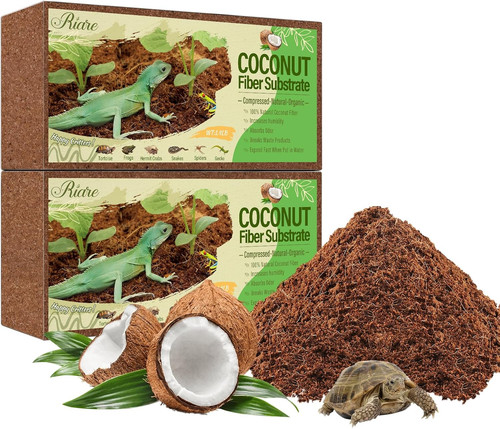 Coconut fiber / coco coir substrate
Compressed bricks expand to large volume with water. One of the best moisture-retentive substrates for ball pythons and easy to find at garden centers in bulk.
Coconut fiber / coco coir substrate
Compressed bricks expand to large volume with water. One of the best moisture-retentive substrates for ball pythons and easy to find at garden centers in bulk.
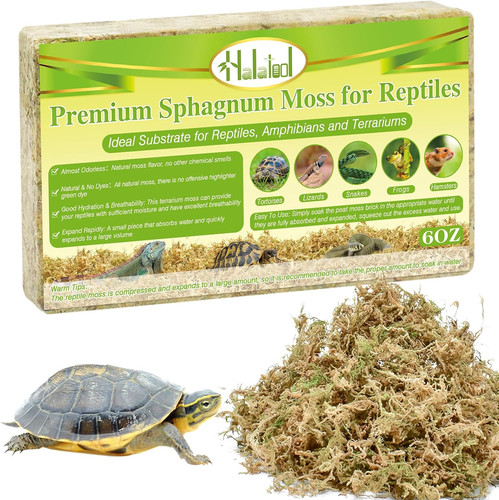 Sphagnum moss for humid hides
Long-fiber sphagnum moss holds more water per volume than short-fiber or peat moss. Standard choice for filling humid hide boxes.
Sphagnum moss for humid hides
Long-fiber sphagnum moss holds more water per volume than short-fiber or peat moss. Standard choice for filling humid hide boxes.
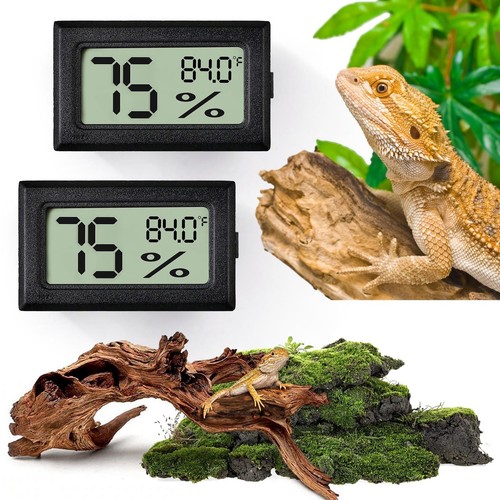 Digital hygrometer + thermometer
Dual probes let you measure at substrate level and at the top simultaneously. Analog dial hygrometers are inaccurate — use digital only for ball python setups.
Digital hygrometer + thermometer
Dual probes let you measure at substrate level and at the top simultaneously. Analog dial hygrometers are inaccurate — use digital only for ball python setups.
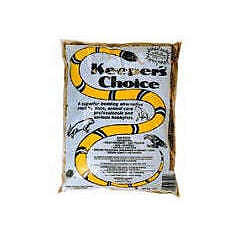 Cypress mulch substrate
Preferred by many experienced keepers for its mold resistance and humidity retention. Buy large bags from garden centers — same product, fraction of the reptile-branded price.
Cypress mulch substrate
Preferred by many experienced keepers for its mold resistance and humidity retention. Buy large bags from garden centers — same product, fraction of the reptile-branded price.
 Automatic reptile mister
Timed pressure misters remove the consistency problem with manual misting. Worth the investment for multiple enclosures or when ambient humidity is chronically low in winter.
Automatic reptile mister
Timed pressure misters remove the consistency problem with manual misting. Worth the investment for multiple enclosures or when ambient humidity is chronically low in winter.