
New fermenters throw away good ferments because they do not know what normal looks like. Cloudy brine, white film on the surface, bubbles, color changes, strong smells — these are all normal outputs of healthy lacto-fermentation. The fear that something looks wrong is understandable but usually misplaced.
Lacto-fermentation is one of the oldest and most robust food preservation methods humans have used. The mechanism is self-protecting: lactic acid bacteria (LAB) lower the pH of the ferment quickly enough that pathogens cannot survive. When salt percentage and submersion are correct, the odds of a genuinely dangerous ferment are extremely low. The things that actually indicate a problem are specific and unmistakable once you know them.
This guide covers vegetable lacto-ferments: sauerkraut, kimchi, fermented peppers, pickles, fermented carrots, and similar. It does not cover dairy ferments, alcohol ferments, or kombucha, which have different spoilage profiles.
The Three Senses: Visual, Smell, Texture
A well-developed ferment gives you signals on all three channels. The most important is smell; the most misread is visual. Texture is the final confirmation when you are unsure. Use all three together before deciding anything.
Visual Signals: What Is Normal, What Is Not
Cloudy brine — normal
Fresh vegetables packed in salt brine produce clear brine. After 2–5 days of active fermentation, the brine clouds. This cloudiness is lactic acid bacteria, CO2 bubbles, and cell material released from the vegetables. It is the visual sign that fermentation is happening. A ferment with perfectly clear brine after 5 days at room temperature has not started, which means either not enough salt disrupted bacterial competition, or the environment was too cold.
Cloudiness that gets thicker and murkier over time, then settles out as sediment in the bottom of the jar, is normal and desirable. The sediment is not mold — it is LAB. A jar with sediment and murky brine has been actively fermenting.
White film on the surface — usually fine, sometimes not
A white or cream-colored film on the brine surface is kahm yeast. Kahm is an aerobic yeast that forms at the brine surface where oxygen is present. It is not a pathogen and will not make you sick. It does affect flavor — kahm yeast adds a mildly yeasty, off-note taste and can make the ferment smell slightly funky or cheesy rather than purely sour.
What to do with kahm: skim it off. Use a spoon to lift it out completely, press the vegetables back under the brine, and close the jar. The ferment is salvageable. If kahm returns quickly (within two days), the brine salt level may be too low, or the ferment is too warm. Kahm grows more readily in low-salt, warm ferments.
Distinguish kahm from mold by texture: kahm is flat, smooth, and film-like, often with a wrinkled or wavy surface texture. Mold is fuzzy. Any growth that has visible fuzz, color (black, blue, green, pink), or distinct rounded edges is mold, not kahm. Fuzzy mold that has penetrated below the brine surface — getting underneath the vegetables, not just floating on top — means the ferment should be discarded.
Color changes in the vegetables — normal for most
Green vegetables (cabbage, cucumbers, green peppers) darken from bright green to olive or yellowish-green during fermentation. This is chlorophyll breakdown under acid conditions. It is normal. Red or purple vegetables (red cabbage, red onion, beets) often shift toward blue-purple, then pink, depending on pH. Again normal.
Browning or grey-brown discoloration on the cut surfaces of vegetables is oxidation, which typically means those surfaces were exposed to air during fermentation. The affected surfaces are unappetizing but usually not dangerous. The cause is inadequate submersion — those sections were above the brine long enough to oxidize. Taste it: if it smells and tastes sour without off-notes, it is fine. If it smells musty or tastes bitter beyond the expected sour, discard the browned section.
Bubbles — very normal
Active ferments bubble. CO2 is a byproduct of lactic acid fermentation. Vigorous bubbling in the first 3–7 days is a sign of healthy bacterial activity. If you open the jar during active fermentation, brine may foam or overflow — this is expected and not a problem. Reduce headspace or "burp" the jar daily if using a sealed lid without an airlock.
Normal — continue fermenting
- Cloudy, murky brine with sediment
- Bubbles in brine or on surface
- White film (flat, smooth — kahm yeast)
- Green vegetables turning olive/dark
- Brine overflowing from active gas
- Sour, tangy smell with vegetal notes
- Sharp vinegar-like smell as ferment ages
Discard signals
- Fuzzy mold (any color, any texture)
- Mold below the brine surface
- Putrid, rotten, or fecal smell
- Musty, stale basement smell that does not clear
- Slimy, disintegrated vegetable texture throughout
- Pink or purple slime on any surface
- Smell that makes you pull back involuntarily
Smell Signals: The Honest Guide
Smell is the most reliable single indicator for lacto-ferments. A good ferment at any stage should smell like food — something you could imagine eating. The specific smell changes over time:
- Days 1–3 (early active fermentation): Vegetal, slightly sulfurous (especially with cabbage), mildly sour. Fresh and alive. Smells like the raw vegetable but with a sour edge beginning to develop.
- Days 4–10 (peak active fermentation): Distinctly sour, tangy, acidic. Bracing. This is the stage most people find alarming the first time because it is strong. For sauerkraut: sour cabbage with a slight yeasty note. For kimchi: fermented gochugaru, garlic, and sour combined. The smell is complex and strong, but appetizing to anyone who has eaten sauerkraut or kimchi.
- After 2 weeks (slower fermentation): The sharp active-fermentation smell mellows. The ferment smells more like the finished product you buy at a store — complex, sour, and layered.
The smell that means discard is different in character from all of these. A bad ferment smells putrid, rotten, or like something died. The difference between "strong sour ferment" and "spoiled" is not subtle — if it smells spoiled, it smells unmistakably wrong. A test: if the smell makes you physically back away or causes a gagging reflex, that is a problem. If the smell is strong and sour and interesting, it is probably fine.
Texture Signals: When to Taste Test
Taste is the final confirmation once smell has passed. A properly fermented vegetable should be:
- Noticeably sour, from mild to assertive depending on fermentation time and temperature
- Pleasantly tangy, with a clean acid bite
- Textured appropriately for the vegetable (kraut should have some give but not be mush; carrots should have moderate crunch; cucumbers should be crisp)
Softness alone is not a spoilage signal, but it tells you about fermentation conditions. Vegetables go soft faster when brine salt is too low, temperature is too high, or calcium-containing tannins were not added (for crisp pickles, grape leaves or oak leaves in the jar help maintain crunch by inhibiting the pectin-softening enzymes in the vegetable).
A taste that is just unpleasantly sour — overly acidic without complexity — means the ferment went too long, too warm, or both. Fermented vegetables that have over-acidified taste sharp and flat. They are safe but not very good. The fix is shorter fermentation time and/or cooler storage temperature.
A taste that is actively unpleasant in a way beyond too-sour — bitter, chemical, or putrid — is a discard signal. This is distinct from strong sourness.
Bubbles That Stop: Is Fermentation Done?
Active bubbling typically slows or stops after 7–14 days at room temperature. This does not mean the ferment is spoiled or has failed. It means active fermentation has finished and the ferment has stabilized at its final pH. The LAB have done their work; the environment is now too acidic for them to continue.
What determines "done" is taste, not bubble activity. Taste the ferment starting around day 5–7. When it tastes the way you want it to taste — the right level of sourness for your palate — transfer it to cold storage (refrigerator). Cold storage slows LAB activity dramatically and holds the ferment at its current state for months.
If you let fermentation continue at room temperature after the desired flavor is reached, the ferment will continue to acidify. It will not spoil (the acid environment prevents that), but it will become progressively more sour. Many fermenters prefer their sauerkraut quite sour; others prefer it mild. The timing is yours to control.
The Two Real Safety Risks in Lacto-Fermentation
The vast majority of lacto-ferment problems are aesthetic (bad texture, too sour, kahm yeast). Two conditions represent actual safety concerns:
Botulism risk: Botulism requires anaerobic conditions, the right pH range, and the presence of Clostridium botulinum spores. Lacto-fermentation actively protects against botulism because it rapidly lowers pH below the level where botulinum toxin forms (below 4.6 pH). A ferment that is actively souring is not a botulism risk. A ferment that never acidifies properly — due to too little salt allowing pathogen competition, or temperature being too cold for LAB activation — carries more risk. This is why correct salt percentage and appropriate fermentation temperature matter: they ensure the LAB acidify the environment before pathogens can establish.
Inadequate salt percentage: Lacto-fermentation uses salt to create an initial environment that selects for salt-tolerant LAB while suppressing competing bacteria. The correct range for most vegetable ferments is 2–3% salt by weight of the total vegetable and water. Below 1.5%, the environment may not suppress pathogens long enough for lactic acid production to take over. Above 5%, LAB activity is suppressed too, and the ferment may not sour properly either. Weigh your salt and vegetables — do not eyeball it.
Timeline Reference: What to Expect and When
- Hours 6–24: Brine begins to cloud. Slight sourness developing at the surface.
- Day 2–3: Active bubbling visible. Brine murky. Smell distinctly sour and alive. Cabbage sulfur smell may be present.
- Day 5–7: Peak active fermentation. Brine fully cloudy. Strong sour smell. Good time for first taste — check if sourness level is developing properly.
- Day 7–14: Fermentation slows. Bubbling decreases. Taste developing into the finished product. Transfer to cold storage when flavor is where you want it.
- Week 3–6 (in cold storage): Flavor continues developing slowly in the refrigerator. Sauerkraut and kimchi are often better at 6 weeks than 2 weeks. Most vegetable ferments keep well in the refrigerator for 3–6 months.
Fermentation is not a precise science on timing — it is responsive to temperature and salt and the specific microbial community in your kitchen. Use the smell-and-taste signals more than the calendar. Your refrigerator will pause the process whenever you are happy with the result.
Gear worth having for lacto-fermentation
Smart eBay searches we'd start with ourselves. Small commission on qualifying sales; your price is the same either way. Full disclosure.
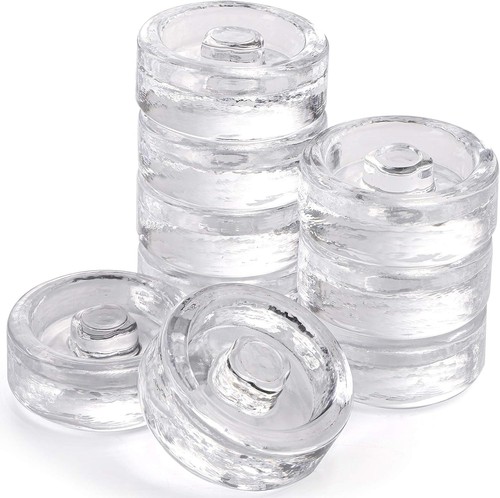 Glass fermentation weightsKeeping vegetables submerged is the single most important factor in preventing kahm yeast and mold. Glass weights sized for wide-mouth jars work reliably.
 Digital kitchen scale (gram-accurate)Salt percentage by weight is the foundation of safe fermentation. Do not guess. A $12 kitchen scale solves every salt-ratio problem permanently.
 Half-gallon wide-mouth mason jarsThe universal fermentation vessel. Wide mouth fits hands and fermentation weights. Half-gallon is right for one cabbage head of sauerkraut.
 pH strips (2.0–4.5 range)Not required but useful for confirmation. A finished lacto-ferment should read below 4.0 pH. Below 3.5 is common. Shows you the acid environment is fully established.
 Airlock lids for mason jarsWide-mouth mason jar lids with built-in airlocks let CO2 escape without letting oxygen in. Reduces kahm yeast formation significantly compared to loose-lid setups.