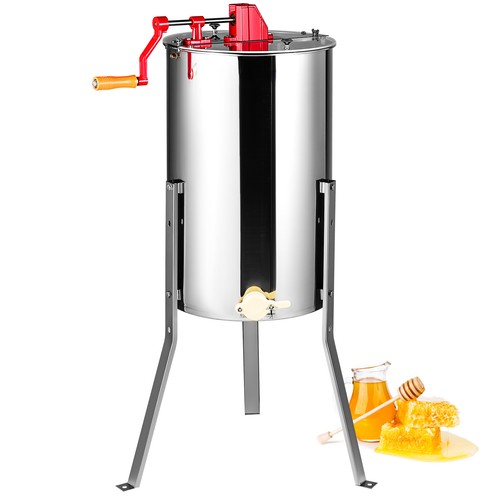
Honey labels, USDA standards, and state cottage food law
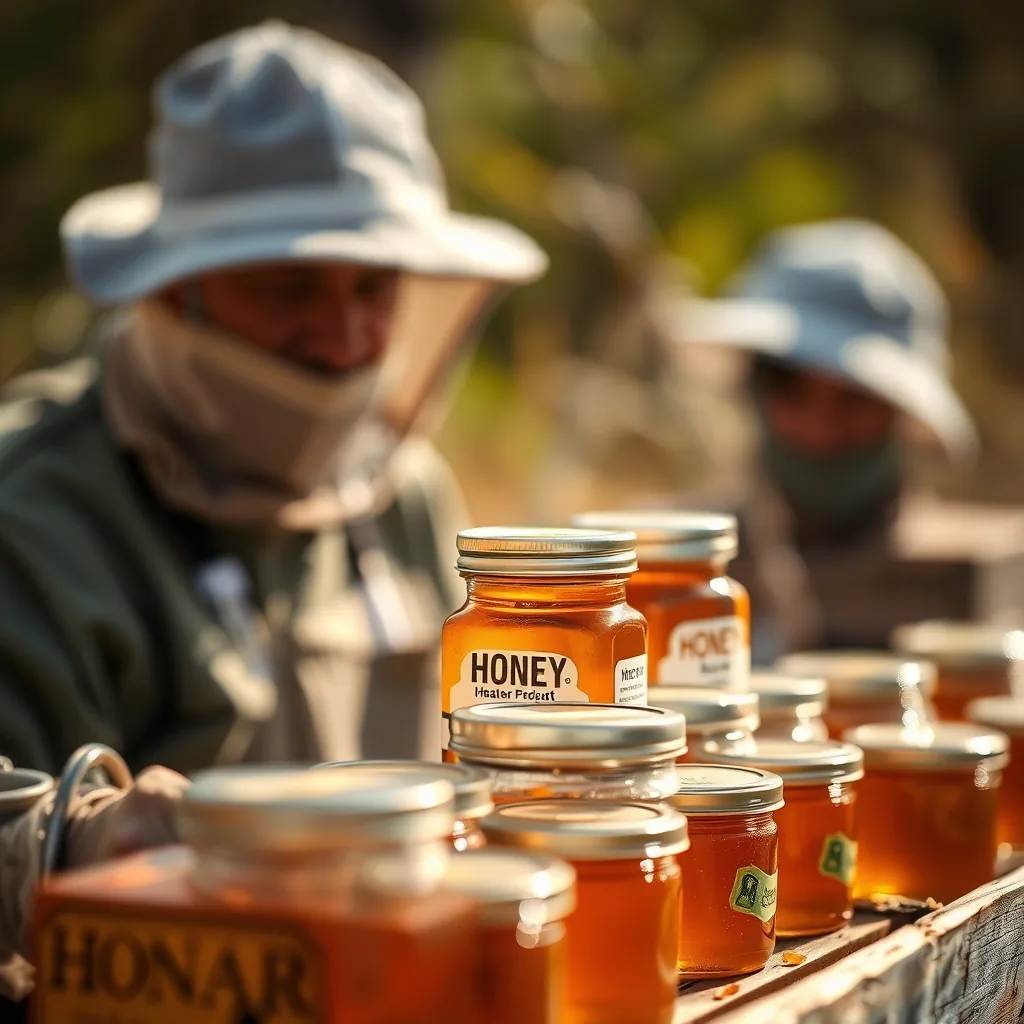
Required label elements, USDA grade requirements (if any), state cottage food limits, the 'raw honey' claim trap, and what most artisan sellers get wrong.

Honey labeling has less federal oversight than soap or cosmetic labeling, but it has specific requirements that most artisan beekeepers don't know about. The penalties are usually minor but the compliance gap matters when scaling to wholesale or interstate sales.
Federal labeling requirements (FDA)
Honey is classified as a food product under FDA Food, Drug, and Cosmetic Act. Required label elements:
- Identity statement. "Honey" or "Pure Honey" or "Wildflower Honey" — the product's name.
- Net weight. In both US (oz) and metric (g). Must be on the primary panel.
- Manufacturer name and address. Real working address, not a PO box.
- Ingredient list. For pure honey, just "Honey." For blended or flavored products, full ingredient list in descending order by weight.
- Country of origin. If imported, must say so. Most artisan honey is domestic and this isn't needed.
What "raw honey" can and can't mean
The term "raw honey" has no federal legal definition but is widely used. Industry convention: raw honey has not been heated above 95°F (which would destroy beneficial enzymes). Practical interpretation: extracted, strained, and bottled without pasteurization.
Most artisan beekeepers can legitimately label their honey "raw." The trap: if you heat honey above 95°F during processing (e.g., to make it pour faster into jars), it's technically no longer raw and labeling it as such could be challenged.
USDA voluntary grading
USDA offers voluntary honey grading (Grade A, Grade B, Grade C, Substandard) based on color, clarity, and moisture. Most artisan beekeepers don't pursue USDA grading because it's expensive ($200-500 per lot) and doesn't produce meaningful price premiums.
If you DO label as USDA Grade A without actually being graded, that's a federal labeling violation. The safe approach: don't reference USDA grading on labels unless you've actually been graded.
State cottage food law
Most US states classify honey as a "cottage food" product, allowing home production for sale under specific limits. The limits vary dramatically:
| State | Cottage food cap | Sales channel restriction |
|---|---|---|
| California | $75,000/year | Direct-to-consumer only (no wholesale) |
| Texas | No cap on honey | Direct + farmers markets + some retail |
| New York | $10,000/year then commercial registration | Direct only under cottage threshold |
| Pennsylvania | $35,000/year | Direct + farmers market only |
| Delaware | $50,000/year | In-state direct sales only |
Above cottage thresholds: state commercial food processing license required, which typically means a commercial-grade extraction/bottling facility (separate from your home kitchen).
Honey adulteration: the existential threat
The US honey market has a massive adulteration problem — much imported "honey" is adulterated with corn syrup or rice syrup. As an artisan beekeeper, your competitive advantage is provable purity.
Steps that protect you:
- Maintain detailed extraction records (which hives, which date, which jars)
- Get a HMF (hydroxymethylfurfural) test if scaling wholesale ($30-60 per sample). HMF levels prove honey hasn't been heated/adulterated.
- Be transparent about extraction methods on your labels and website.