Predator-proofing checklist: what raccoons, foxes, and hawks actually defeat
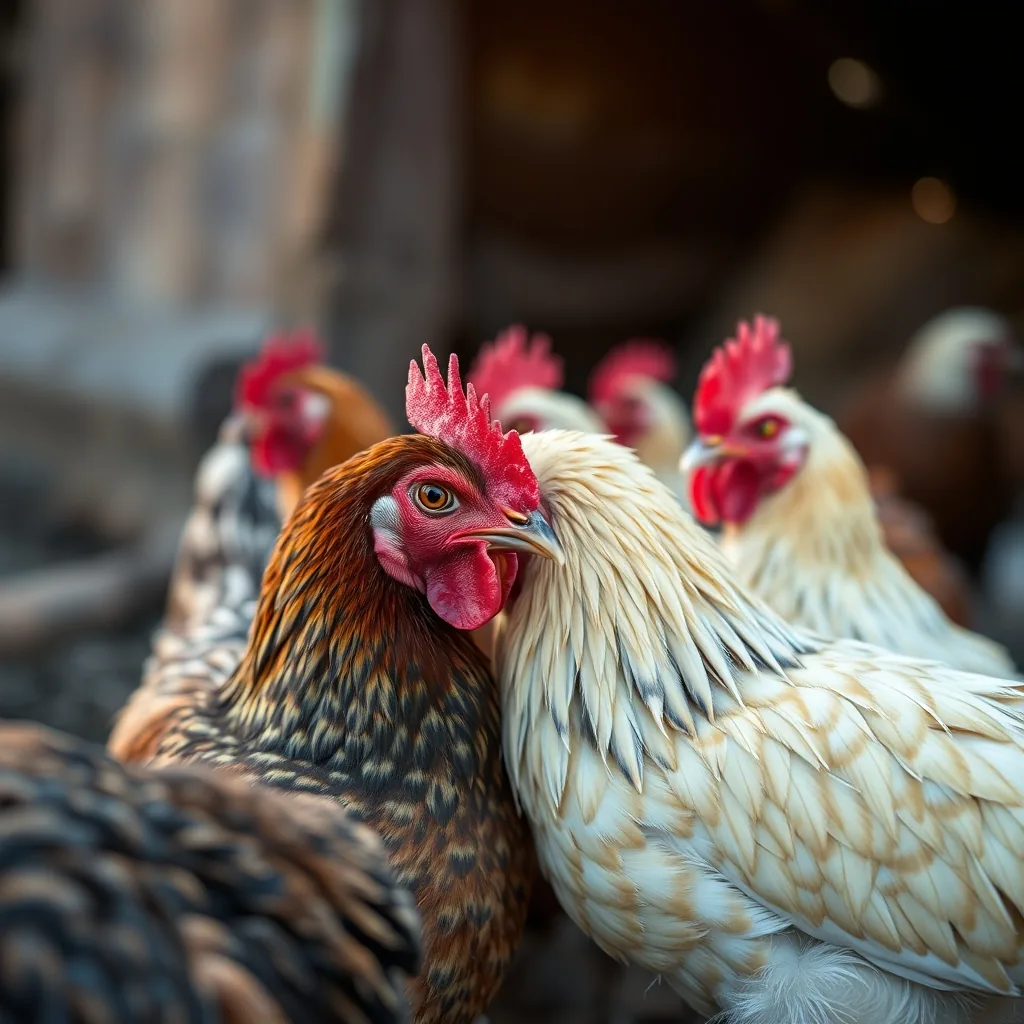
Hardware cloth vs chicken wire isn't optional. The 6 specific failure modes most coops have, and the $40 fix that stops most of them.
Almost every backyard chicken loss is preventable. I'm saying that with the full weight of having lost birds anyway. Here's what actually kills chickens in residential settings, in rough order of frequency in the mid-Atlantic:
- Raccoons (climb, dig, manipulate latches)
- Foxes (dig, push through weak wire)
- Domestic dogs (yours and the neighbor's)
- Hawks and owls (overhead attacks)
- Opossums (climbers, eat eggs and small chicks)
- Rats (kill chicks, eat feed, attract larger predators)
Each one has a specific failure mode in poorly-built coops. Each one has a specific fix.
The hardware cloth rule
If you take one thing from this article: chicken wire is not predator-proof. It's named for chickens because it keeps chickens in, not because it keeps predators out. A raccoon can rip through chicken wire in under a minute. A fox can chew through it.
Use 1/2-inch hardware cloth (also called "1/2 inch mesh galvanized welded wire") for any opening larger than that. 19-gauge minimum. Use full sheets, not the cheap rolls. The good stuff is rigid and welded; the cheap stuff is twisted and pulls apart.
This isn't where to save money. A roll covers 50 square feet for about $55-65 in 2024. A typical 4x4 coop with 4x8 run needs roughly 100-130 sq ft total. Budget $130 for hardware cloth on a small coop. Yes, that's a quarter of your build cost. Yes, it's worth it.
Failure mode 1: raccoons opening the door
Raccoons are smart. They have hands. They will open any latch that requires only pulling or sliding. They learn quickly — if a latch defeats them once, they'll try the next one, and the one after that.
The fix: two-step latches on every door. Simple gate hooks work fine because they require lifting AND pulling — two motions. Even better: carabiners through hasps. The trick is requiring opposable thumb dexterity that raccoons don't have. Spring-loaded clips and key-style locks all work.
Cost: $5 in hasps and a $4 carabiner per door. The single highest-ROI item on the entire coop.
Failure mode 2: predators digging under
Foxes and raccoons both dig. A standard run with the wire stopping at ground level fails the first night a fox finds it.
Three fixes, in order of cost:
- Apron method. Run an 18-inch flap of hardware cloth out from the base of the run, lying flat on the ground. Cover with mulch or dirt. Predators dig down at the wall, hit the apron, and give up. About $40 in extra hardware cloth.
- Buried trench. Dig a 12-inch trench and bury hardware cloth straight down. More work, equally effective. $30 in materials.
- Concrete or paver pad. The bulletproof option. The run sits on a 4-inch concrete pad. About $300 in materials. Pointless for most setups.
The apron is the right answer for almost everyone.
Failure mode 3: hawks from above
An uncovered run, even with perfect ground-level security, is open from above. Hawks (especially Cooper's hawks in the mid-Atlantic) and great horned owls take chickens during daylight or dusk.
Two real fixes:
- Aviary netting over the entire run. Black UV-stabilized netting, 1-inch mesh. Costs $30-60 depending on size. Lasts 5-7 years.
- Hardware cloth roof on small runs. More secure but harder to install on anything over 8x8. Best for small enclosed runs near houses.
Don't bother with "scare tape," predator decoys, or owl statues. Hawks acclimate to them in days.
Failure mode 4: gaps you don't see
The most common coop failure is a 2-inch gap somewhere — under the eaves, around the egg-box door, where the run meets the coop wall. Raccoons can squeeze through 4-inch openings. Weasels (rare in suburban areas but possible) through 1-inch.
Walk the coop at dusk with a flashlight, looking up at every joint. Anywhere light passes through is a gap. Use scraps of hardware cloth and roofing nails. This is a 90-minute job that saves chickens.
Failure mode 5: domestic dogs
Your neighbor's dog is a more likely predator than any wild animal. Dogs jump fences, dig, and trigger panic in chickens (which is sometimes lethal even without contact).
The fix: solid fencing around the coop area, not just the run. Six-foot privacy fencing or a 4-foot welded-wire fence with strands of electric on top. Most dogs respect the first encounter with a hot wire and don't repeat it.
What I'd build today
If I were starting fresh: 4-foot solid wood-and-hardware-cloth coop with welded-wire run, 18-inch apron, aviary netting overhead, two-step latches on every door, and a perimeter privacy fence. Total predator-proofing cost (above and beyond the build itself): about $180.
For four chickens, that's roughly $45 per bird in predator-proofing. Cheaper than the heartbreak of finding them gone.


