Bubble solution recipes ranked by bubble size and tear strength
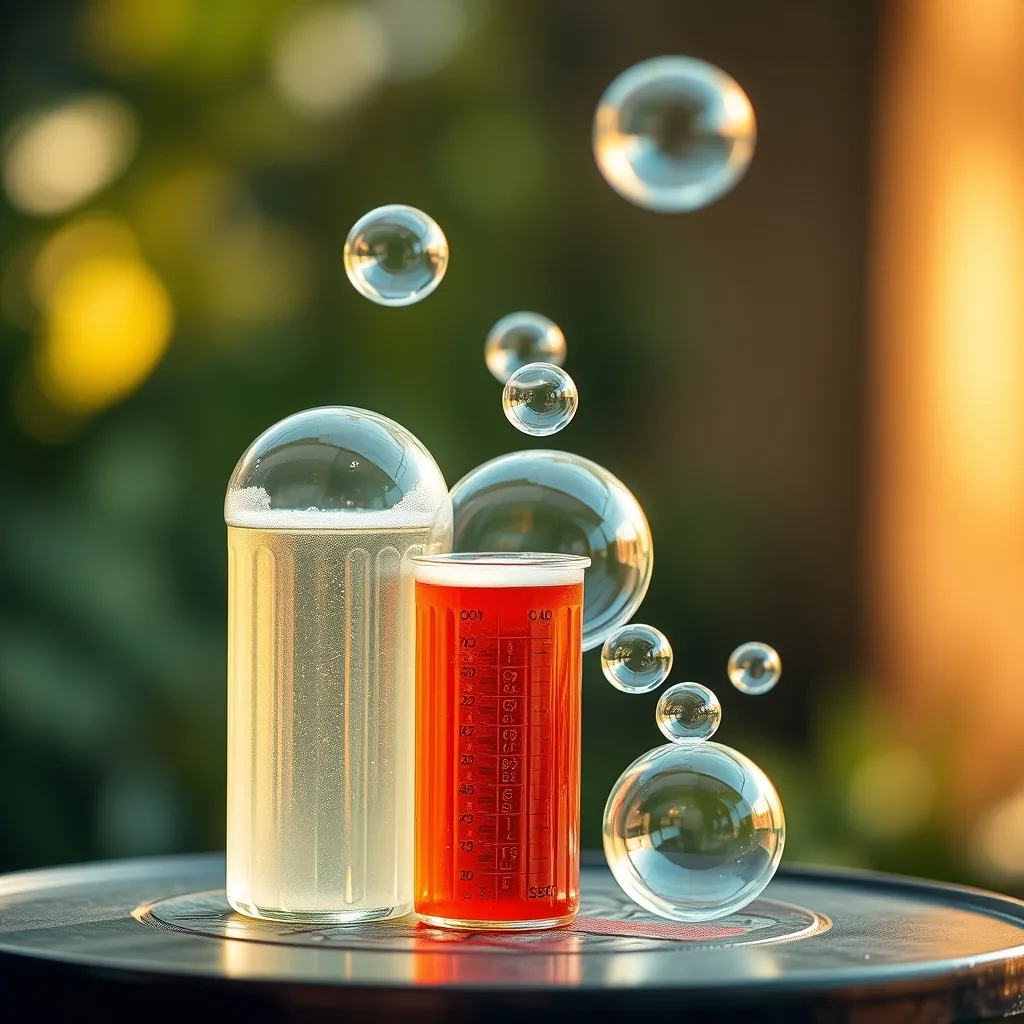
Soap brand matters. Polymer matters more. The honest comparison of J-Lube vs HEC vs cornstarch vs PSN — with actual bubble-size results.
The bubble solution recipe internet is full of confident wrong advice. Dawn dish soap and water with a splash of corn syrup will produce small fragile bubbles, fine for a backyard. It will not produce 6-foot-long bubbles, despite what the Instagram tutorials promise.
Real bubble solution is closer to a chemistry exercise than a recipe. Here's what actually works, ranked by application.
The three things that matter
1. Surfactant (the soap)
Not all dish soaps are equal. The surfactant blend in different brands varies dramatically. Independent testing (most thoroughly by Edward Spiegel of the Bubble Artist Association) has consistently ranked:
- Dawn Professional (the restaurant version) — best for big bubbles, available at Costco/Sam's Club
- Dawn Ultra (original blue) — second best, easier to find
- Joy Ultra — competitive with Dawn, slightly less consistent
- Fairy (UK brand) — preferred by European bubble performers, hard to source in US
Avoid: Palmolive, Ajax, Method, any "natural" or "eco" dish soaps. These use different surfactant blends that don't produce strong bubble walls. Their advertising is fine; their bubble performance is poor.
2. Polymer (the wall strengthener)
This is the variable that separates backyard bubble water from giant-bubble solution. Polymers create long molecular chains that strengthen the bubble wall and slow water evaporation.
| Polymer | Max bubble size | Sourcing | Notes |
|---|---|---|---|
| J-Lube (lubricating powder) | 10+ feet | Tractor Supply, vet supply, $20/8oz | Veterinary use originally; gold standard for giant bubbles |
| HEC (hydroxyethyl cellulose, brand name Natrosol) | 8+ feet | Soap-making suppliers, $15/lb | Crystal clear, good for performance / photos |
| Guar gum | 4-6 feet | Grocery store (gluten-free aisle) | Cheaper and easier to source than HEC, slightly less powerful |
| Cornstarch slurry | 3-4 feet | Grocery store | Cheapest option, slightly cloudy solution |
| Baking powder (not soda) | 2-3 feet | Grocery store | Aluminum sulfate is the active ingredient; works for medium bubbles |
3. Water quality
This is the variable everyone ignores. Tap water minerals interfere with the surfactant. Hard water (over 8 grains per gallon) reduces bubble life by 30-50%.
Use distilled water from the grocery store ($1.50/gallon) or reverse osmosis water (most fridge filters produce it). The difference is dramatic and immediate.
The recipes that actually work
Kids party recipe (durable small-medium bubbles)
For 1 gallon:
- 1 gallon distilled water
- 2 cups Dawn Ultra dish soap
- 1/2 cup vegetable glycerin
- Mix gently, use immediately or rest overnight
Cost: about $9. Produces small bubbles that survive kids running and grabbing. Skip the polymer for this application — it makes solution gummy and harder to clean off clothing.
Large bubble recipe (2-6 feet)
For 1 gallon:
- 1 gallon distilled water
- 1.5 cups Dawn Professional
- 1/4 cup vegetable glycerin
- 1/2 teaspoon J-Lube powder
- 2 teaspoons baking powder
Mix the J-Lube into a small amount of warm water first to dissolve, then add to the main batch. Let rest 12-24 hours before use. The polymer needs time to fully hydrate.
Cost: about $14. This recipe produces consistent 3-5 foot bubbles with a wand or tri-string loop. Good shelf life — keeps for 2-3 weeks refrigerated.
Giant bubble recipe (8+ feet)
For 1 gallon:
- 1 gallon distilled water
- 1.5 cups Dawn Professional
- 1/3 cup vegetable glycerin
- 3/4 teaspoon J-Lube powder
- 1 tablespoon baking powder
Same prep — pre-dissolve J-Lube, let solution rest. Performance optimum is 24-48 hours after mixing.
Cost: about $15. Will produce 8-12 foot bubbles under good conditions (high humidity, no wind, cool morning or evening).
What conditions matter at use time
- Humidity is everything. 50-80% relative humidity is the sweet spot. Below 40%, bubbles pop almost immediately. Above 85%, they over-hydrate and collapse.
- Wind is the killer. Anything over 5 mph and large bubbles break before forming. Schedule events for calm mornings/evenings or use indoor venues.
- Temperature matters. 60-75°F is optimal. Hot weather dehydrates bubbles too fast. Cold weather makes solution viscous and harder to work with.
- Direct sun is bad. UV and heat destroy bubble walls. Shaded performance areas produce noticeably bigger and longer-lasting bubbles.
Mistakes that ruin solution
- Mixing aggressively. Bubbles in the solution interfere with bubble production. Stir gently. Let the solution rest.
- Cold soap from the fridge. Use room-temperature ingredients. Cold soap doesn't dissolve fully.
- Wrong glycerin. Use food-grade vegetable glycerin. Industrial glycerin sometimes has impurities that interfere.
- Using too soon. Polymer solutions need 12+ hours to fully hydrate. Same-day mixing produces inconsistent results.